

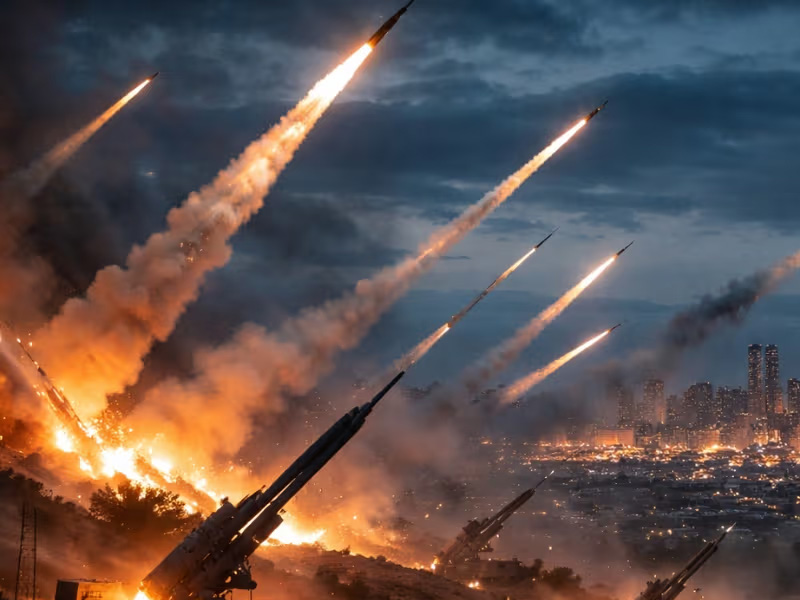

As of March 26, 2026, the war involving Iran, Israel, and the United States has entered a critical phase, with tensions now centered on the strategic Strait of Hormuz—a vital artery for global oil supply.
Despite mounting international pressure, Iran has rejected proposals to reopen the Strait, signaling a prolonged geopolitical and economic crisis.
Iran Rejects Ceasefire and Hormuz Opening Proposal
In one of the most significant developments, Iran has formally rejected a U.S.-backed ceasefire plan, instead issuing its own conditions for ending the war.
Among Tehran’s key demands:
- Recognition of Iranian control over the Strait of Hormuz
- An end to targeted killings of its officials
- Compensation for damage caused by U.S. and Israeli strikes
Iranian officials have also denied claims of ongoing negotiations, insisting that no meaningful talks are taking place and that military operations will continue until their conditions are met.
This effectively shuts down hopes—at least for now—of a diplomatic agreement to reopen the Strait.
Hormuz Remains Effectively Closed
Since early March, Iran has declared the Strait closed, and while not physically blocked in all areas, commercial shipping has largely halted due to security risks.
Key realities on the ground:
- Tanker traffic has collapsed dramatically
- War-risk insurance for ships has surged
- Naval threats, mines, and missile systems remain active
Military analysts warn that reopening the Strait without a ceasefire would be extremely dangerous, requiring large-scale naval operations and sustained military control.
Global Pressure Mounts to Reopen the Strait
Global leaders and energy stakeholders are increasingly alarmed. The head of Abu Dhabi’s national oil company warned that any restriction of Hormuz amounts to “economic terrorism” due to its global consequences.
The Strait handles roughly:
- 20% of global oil shipments
- critical gas and commodity flows
Financial institutions now warn that a prolonged disruption could remove 13–14 million barrels per day from global supply, triggering sustained energy shocks.
Escalation on the Battlefield
Military tensions continue to rise alongside the diplomatic deadlock. Reports indicate that Israel recently carried out a strike that killed a senior Iranian naval commander linked to the Strait’s closure.
This follows:
- continued Israeli airstrikes on Iranian targets
- U.S. military deployments in the Gulf
- Iranian retaliatory missile and drone attacks
Iran has also warned of expanding the conflict to other maritime chokepoints, including the Bab al-Mandeb Strait.
Oil Markets and Global Impact
The Hormuz crisis is now the largest energy shock in decades, with oil prices surging above $100 per barrel amid uncertainty.
The ripple effects include:
- rising fuel prices globally
- disruptions to shipping and trade routes
- delays in major infrastructure and energy projects
Even sectors like renewable energy are being affected due to supply chain disruptions tied to Gulf shipping routes.
No Immediate Resolution in Sight
With Iran refusing current proposals and insisting on expanded control over Hormuz, diplomatic efforts remain stalled. At the same time, military escalation continues, making any immediate reopening of the Strait unlikely.
Experts warn that unless:
- a ceasefire is agreed
- or Iran eases its conditions
the crisis could extend into April and beyond, prolonging both economic disruption and regional instability.
Conclusion
The Iran war has now reached a defining moment, with the Strait of Hormuz at the center of both military and diplomatic confrontation. Iran’s rejection of reopening agreements signals a hardening stance, one that could reshape global energy markets and geopolitical alignments.
As the world watches closely, the question is no longer just about ending the war—but whether a pathway exists to restore one of the world’s most critical trade routes without further escalation.