


Health sector unions under the Joint Health Sector Unions and the Assembly of Healthcare Professional Associations have announced plans to stage a national protest in Abuja over the proposed Health Sector Executive Bills 2026 currently before the National Assembly, in what union leaders describe as a decisive moment for healthcare professionals and the future structure of Nigeria’s health system.
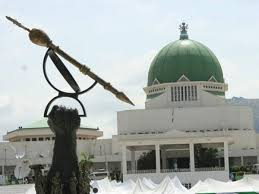
The protest, scheduled for Thursday, March 26, is expected to draw healthcare professionals from across the country to the National Assembly Complex, with participants expected to converge first at the Unity Fountain before proceeding to the National Assembly. In an official communication obtained by our correspondent on Thursday morning, JOHESU directed its affiliate unions and professional associations to mobilise members en masse for the demonstration, warning that the proposed legislation could have far-reaching implications for healthcare professionals and the sector at large if passed in its current form.
Speaking on the planned protest, JOHESU’s National Secretary, Martin Egbanubi, who signed the notice directing members to mobilise, said the demonstration had become necessary to draw public attention to the potential impact of the bills on healthcare workers and the overall health system. According to him, “Our members must educate the general public on how the Health Sector Executive Bills 2026 affect their respective professions in particular and the health sector in general.”
He described the planned action as a critical moment for healthcare workers across the country and urged maximum participation from members and affiliates. “Your participation in this historic existential struggle is highly solicited and essential,” he added. The union maintained that the protest was not just about healthcare workers but about the future of healthcare delivery in Nigeria, noting that policies affecting the structure, welfare, and professional responsibilities of health workers ultimately affect patient care and the efficiency of the health system.
According to union officials, the Health Sector Executive Bills 2026, which have already scaled first reading in the Senate, have raised serious concerns among health workers who fear that the proposed laws may significantly alter existing structures, redefine professional roles, and affect welfare conditions within the sector. Although details of the bills are still being reviewed by stakeholders, union leaders argue that certain provisions could reshape administrative control, professional hierarchy, and remuneration structures in ways that may disadvantage some healthcare professionals.
Health workers’ groups have therefore called for broader consultation and stakeholder engagement before the bills proceed further in the legislative process, stressing that reforms in the health sector must be inclusive and carefully implemented to avoid worsening existing tensions within the system.
The Joint Health Sector Unions is a coalition of major health sector unions, including the Medical and Health Workers Union of Nigeria and the Nigeria Union of Allied Health Professionals, and has historically played a central role in labour disputes within Nigeria’s health sector. Over the years, the group has frequently engaged the Federal Government in negotiations and industrial actions over issues such as salary structures, hazard allowances, promotion relativity, and what health workers often describe as the perceived dominance of certain professional groups in policy decisions affecting the sector.
These disputes have, at various times, led to strikes and disruptions in public health services across the country, highlighting long-standing structural and administrative tensions within Nigeria’s healthcare system. Labour disputes in the sector are often rooted in concerns over welfare, professional recognition, funding gaps, and the governance structure of health institutions, issues that analysts say have remained unresolved for decades.
The emergence of the Health Sector Executive Bills 2026 comes at a time when Nigeria’s health system is already under significant strain due to workforce shortages, brain drain, and inadequate infrastructure. According to data and reports from the World Health Organization and other health policy groups, Nigeria has for years faced a shortage of healthcare workers relative to its population, a situation worsened by the migration of doctors, nurses, pharmacists, and other healthcare professionals to countries offering better pay and working conditions.
This trend, commonly referred to as brain drain, has placed additional pressure on the remaining workforce and contributed to longer waiting times, overworked staff, and reduced quality of care in some public health facilities. In addition, inadequate funding, outdated medical equipment, and poor infrastructure in many public hospitals have continued to challenge effective healthcare delivery across the country.
Analysts say the proposed Health Sector Executive Bills 2026 are therefore emerging at a critical time when the government is under pressure to reform and strengthen the health system, improve working conditions for health professionals, and reduce the rate at which skilled workers leave the country.
However, health unions insist that any reform must be done in consultation with professionals working within the system to avoid policies that may worsen existing tensions or create new conflicts within the sector. As the planned protest proceeds, stakeholders within and outside the health sector are expected to closely watch developments, as the outcome of the dispute may shape not only labour relations in the health sector but also the broader direction of healthcare reform in Nigeria.