


Today, the ongoing war between the United States, Israel, and Iran marked its 13th day, marred by intensified strikes, rising casualties exceeding 1,300 deaths primarily in Iran, and widespread disruptions to global oil supplies.
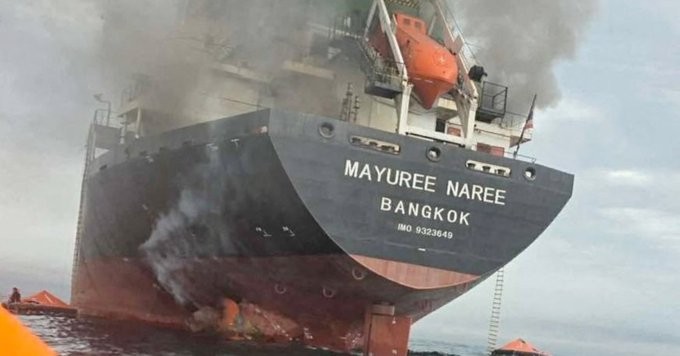
Oil tanker attacks have cripple shipping in Gulf waters, with Iranian forces striking two foreign oil tankers in Iraqi territorial waters on Wednesday, 11th March, 2026.
This ignited fires that claimed killed a crew member as projectiles damaged four additional vessels. The Iraqi government immediately evacuated about 25 crew members.
The incidents have pushed the total number of attacked ships linked to the US and Europe to approximately 16 since the hostilities began. In response, Iraq halted oil port operations, bringing shipping in the Gulf and the vital Strait of Hormuz through which a fifth of the world’s oil passes to a virtual standstill, driving sharp surges in global crude prices.
Iran’s Revolutionary Guards warned they would block all Middle Eastern oil exports to the US, Israel, and their allies if attacks persist.
Adding to the ongoing conflicts is disruption of the financial sector over fear of imminent attack. Banks across the Middle East, including Citibank and Standard Chartered in the UAE, have closed branches and evacuated staff following Iran’s declaration targeting financial institutions and economic hubs. HSBC similarly suspended all operations in Qatar indefinitely, citing the volatile security environment.
However, the Iran authorities have disclosed demands for a ceasefire. President Masoud Pezeshkian specified three conditions for ending the conflict, including reparations from the US for damages inflicted, recognition of Iran’s rights, and international guarantees against future aggression.
Reiterating its stance, the UN Security Council has passed a Bahrain-sponsored resolution condemning Iran’s assaults on Gulf Cooperation Council nations and Jordan, securing 13 favorable votes with Russia and China abstaining.
A rival Russian resolution lamenting casualties failed, garnering only four supporters.To respond to the rising tolls, the International Energy Agency approved the release of 400 million barrels from strategic reserves to offset Strait of Hormuz closures, surpassing prior releases during the Russia-Ukraine war.
Domestically, Iranian police chief Ahmadreza Radan cautioned that anti-government protests would be treated as enemy actions, with forces primed to respond decisively.
Dozens of US soldiers in Kuwait suffer severe injuries including brain trauma and potential amputations from Iranian retaliatory strikes that killed six at Shuaiba port. In Israel, residents of border town Kiryat Shmona, hunkered in bunkers for 11 days amid Hezbollah threats, urged swift elimination of the group to resume normal life.
Pope Leo XIV called for prayers for Middle East peace, highlighting civilian suffering including children.This multifaceted escalation underscores the war’s broadening impact on energy markets, economies, and international diplomacy, with no immediate resolution in sight.