

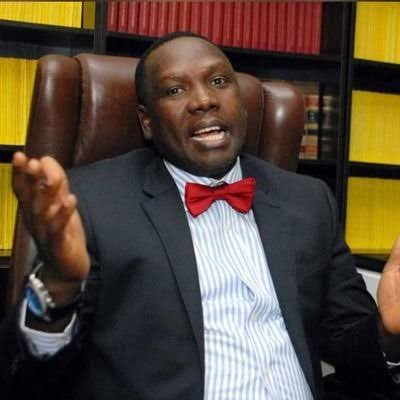

A wave of criticism has followed a recent television appearance by Daniel Bwala, the Special Adviser to Bola Ahmed Tinubu on Policy Communication, after his tense interview with journalist Mehdi Hasan on the programme Head to Head on Al Jazeera.
Clips from the interview quickly circulated across social media platforms in Nigeria, sparking intense debate, criticism, and satire from political commentators, activists, and comedians.
The Interview and the “I Never Said That” Moment
During the interview, Bwala was questioned about the performance of the Tinubu administration and confronted with several statements he had allegedly made in the past while he was aligned with opposition politics.
Hasan referenced earlier comments attributed to Bwala, including claims that Tinubu had allegedly created a militia to influence elections. When confronted with the quote, Bwala denied making the remark, responding: “Tinubu didn’t create a militia, and I never said that.”
The interviewer then presented other past criticisms of Tinubu, including statements about alleged suspicious cash movements and political intimidation during the 2023 election period. Bwala again denied making the claims.
The repeated denials became one of the most talked-about moments of the interview, particularly because several users on social media posted old videos and tweets where Bwala appeared to have made similar criticisms while serving as a spokesperson for former Vice-President Atiku Abubakar’s presidential campaign.
Nigerians React: Social Media Backlash
Within hours of the broadcast, the interview trended across Nigerian social media. Many users accused Bwala of contradicting himself or attempting to distance himself from his earlier statements now that he serves in government.
Some commentators described the performance as embarrassing for the administration, arguing that the denials undermined credibility on an international platform.
Political analyst Mallam Shuaibu, for instance, criticised Bwala’s responses and called the interview disgraceful, accusing him of denying statements he had previously made against Tinubu.
Across social media platforms such as X (formerly Twitter), Facebook, and Instagram, users posted clips juxtaposing the interview with Bwala’s past commentary, often captioned with phrases like “the internet never forgets.”
Comedy and Satire: Gov Amuneke Skit Goes Viral
Beyond criticism, the interview also inspired satire from Nigeria’s online comedy scene. A viral skit by comedian Kevin Black, popularly known for his character “Gov Amuneke,” circulated widely on Facebook.
In the parody, Gov Amuneke showed a video of Bwala’s repeated denial during the interview, humorously recommending him for a minister appointment. The skit exaggerates the exchange with a fictional interviewer confronting him with past statements while the character repeatedly denies them.
The satire resonated strongly with viewers and quickly gained thousands of shares and reactions, reflecting how comedy often becomes a vehicle for political commentary in Nigeria’s digital culture.
Bwala Responds to Critics
Amid the backlash, Bwala issued a statement defending his performance and addressing the controversy surrounding the interview.
He said he had no problem appearing before tough interviewers anywhere in the world to defend the government’s policies and decisions.
“I am prepared to appear before any interviewer, anywhere in the world, any day and at any time, to defend this government and its policies,” he said.
Bwala also argued that the programme had originally invited him to discuss issues such as security, the economy, and corruption, but the discussion shifted toward his past statements.
Addressing the controversy over his earlier criticism of Tinubu, he explained that those remarks were made when he was in the political opposition and should be viewed in that context.
“It is all politics,” he said, noting that many political figures across the world have previously criticised leaders they later served.
The Broader Debate
The episode has also reignited a broader discussion in Nigeria about political loyalty and the shifting nature of alliances. Critics argue that politicians should acknowledge past positions rather than deny them outright, while supporters contend that political realignments are common in democratic systems.
Regardless of the differing perspectives, the interview has become one of the most talked-about political media moments in Nigeria this week, illustrating how televised debates, social media reactions, and online satire now interact to shape public discourse.
For many observers, the incident highlights a modern reality of politics: in the age of digital archives and viral clips, past statements are rarely forgotten—and they often return at the most unexpected moments.