

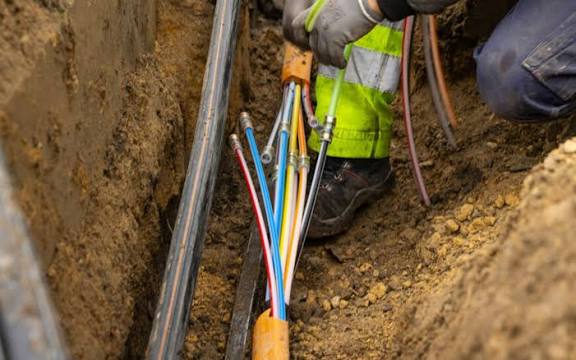

Nigeria’s telecommunications sector is once again under scrutiny following a disclosure by MTN Nigeria that it recorded 9,218 fibre optic cable cuts in 2025, with 211 network sites affected by theft and vandalism. The figures, reported in January 2026, highlight the scale of infrastructure challenges confronting Africa’s largest telecom market at a time when digital connectivity is increasingly central to economic activity.
Fibre optic cables form the backbone of modern telecommunications networks. They transmit large volumes of data at high speed, supporting internet services, banking platforms, cloud computing, e-commerce, streaming and government digital services. When they are cut, entire communities can lose connectivity, sometimes for hours or days.
A Growing Infrastructure Problem
The scale of the incidents reported by MTN suggests the issue is not isolated but systemic. Fibre cuts occur for several reasons, including accidental damage during road construction, deliberate vandalism, cable theft and sabotage. In many cases, cables are laid along highways, bridges or open corridors where they are vulnerable to excavation work or criminal interference.
Telecom operators have long complained that poor coordination between construction companies and network providers contributes to accidental damage. Road expansion projects, drainage works and private developments frequently proceed without adequate consultation on underground cable mapping.
However, a significant portion of the damage is reportedly deliberate. Cable theft remains a persistent problem because fibre components contain materials that can be resold. Though fibre itself is not copper-based, associated equipment and protective casings can still attract criminal attention.
Impact on Businesses and Consumers
The consequences of fibre cuts extend beyond slow internet speeds. For businesses, especially those operating in the fintech, e-commerce and technology sectors, uninterrupted connectivity is critical. Payment gateways, point-of-sale terminals and cloud-hosted systems rely on stable broadband links. Even short outages can translate into financial losses and reputational damage.
Banks and digital service providers are particularly vulnerable. In a country where cashless transactions are expanding, service interruptions can disrupt daily commercial activity across entire districts.
For households, fibre cuts mean dropped video calls, interrupted remote work, delayed downloads and reduced access to online learning platforms. In regions with limited network redundancy, a single damaged cable can isolate thousands of users.
The broader economic implications are significant. Nigeria has positioned itself as a digital innovation hub in Africa, attracting startups and foreign investment. Persistent infrastructure sabotage threatens investor confidence and complicates efforts to expand broadband penetration under national digital economy policies.
Rising Costs and Operational Strain
Repairing damaged fibre infrastructure is expensive. It requires specialised technicians, replacement materials and sometimes complex re-routing of traffic through backup systems. Operators must deploy emergency response teams, often under challenging conditions.
These costs inevitably affect the telecom industry’s financial structure. While companies absorb much of the repair expense, long-term operational pressures may influence pricing models, investment decisions and expansion timelines.
Repeated cuts also slow down broadband rollout projects. Infrastructure that should be expanding into underserved rural areas must first be restored in urban centres affected by vandalism.
Regulatory and Security Dimensions
The challenge of protecting telecom infrastructure falls partly within the regulatory domain. The Nigerian Communications Commission has previously emphasised the need to treat telecom infrastructure as critical national assets. However, enforcement remains uneven across states and local governments.
Telecom operators have advocated stronger legal penalties for vandalism and theft, as well as better collaboration with law enforcement agencies. Some industry stakeholders argue that fibre infrastructure should receive the same level of security protection accorded to oil pipelines and power facilities.
There are also calls for improved mapping and coordination mechanisms. Mandatory notification systems for construction projects could help prevent accidental cable damage. Clear marking of fibre routes and the creation of protected utility corridors may further reduce exposure.
The Digital Economy at Stake
Nigeria’s digital transformation strategy depends heavily on reliable connectivity. From government portals and online tax systems to digital health records and educational platforms, broadband access underpins public and private innovation.
The reported 9,218 fibre cuts in a single year serve as a stark reminder that infrastructure resilience is as important as expansion. Without adequate protection and coordinated policy action, efforts to deepen broadband penetration could be undermined by repeated disruptions.
As Nigeria advances toward a more technology-driven economy, safeguarding fibre optic networks will require not only corporate vigilance but also stronger public-private cooperation, regulatory enforcement and community awareness. Connectivity, once disrupted, affects far more than individual users; it touches every layer of modern economic life.
The scale of MTN’s disclosure underscores an urgent reality: protecting digital infrastructure is no longer merely a technical matter — it is a national economic priority.