

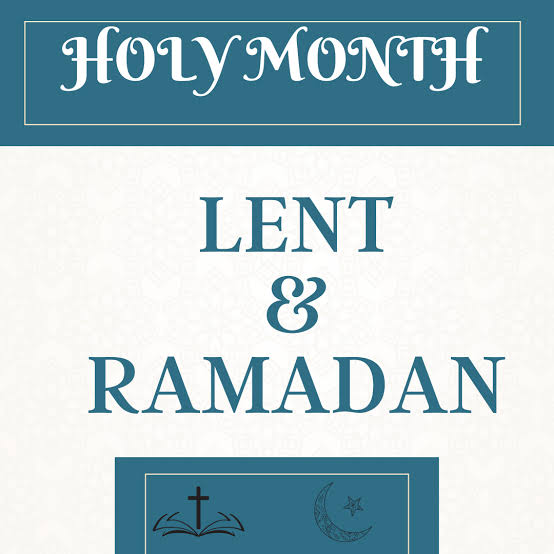

Nigeria on Wednesday entered a rare moment of shared spiritual reflection as two of the country’s largest religious communities commenced their sacred observances almost simultaneously. Following the sighting of the crescent moon, the Sultan of Sokoto, Alhaji Muhammad Sa’ad Abubakar III, officially declared the beginning of the holy month of Ramadan for Muslims across the country, while Christians began the Lenten season on the same day.
The convergence immediately transformed the national mood — from markets and mosques to churches and government offices — into one defined by restraint, repentance and prayer. The Presidency also stepped into the moment, with President Bola Ahmed Tinubu urging Nigerians to use the period to pray for national peace, unity and economic recovery.
The Sultan’s Announcement
As President-General of the Nigerian Supreme Council for Islamic Affairs (NSCIA) and the highest Islamic authority in the country, the Sultan of Sokoto traditionally announces the start of Ramadan after verified moon sightings across various locations in Nigeria.
In his broadcast, the Sultan confirmed that the new moon had been sighted, marking the beginning of the ninth month of the Islamic calendar — Ramadan — and calling on Muslims nationwide to commence fasting immediately.
But beyond the formal declaration, his message carried broader social meaning. He urged Muslims to:
- dedicate themselves to prayer and charity
- avoid actions capable of causing division
- support the poor and vulnerable
- promote peaceful coexistence with neighbours of other faiths
He also reminded traders not to exploit the season by inflating food prices — a recurring concern in Nigeria during fasting periods when household consumption patterns shift significantly.
Why Ramadan Matters
Ramadan is one of the Five Pillars of Islam. From dawn (Fajr) to sunset (Maghrib), Muslims abstain from:
- food
- drink
- smoking
- and marital relations
However, Islamic scholars consistently emphasise that the fast is not merely physical deprivation. The deeper objective is spiritual discipline.
The faithful are expected to:
- increase recitation of the Qur’an
- perform nightly Taraweeh prayers
- practice charity (Zakat and Sadaqah)
- exercise patience and self-control
In many northern and southwestern cities in Nigeria, Ramadan also reshapes daily life. Businesses open late, night markets become active after sunset, and mosques remain filled deep into the night.
Lent Begins for Christians
At the same time, Christians commenced the Lenten season, which leads up to Easter. Lent traditionally lasts 40 days and commemorates the fasting of Jesus Christ in the wilderness.
While practices vary across denominations, many Christians:
- abstain from certain foods or habits
- undertake personal sacrifice
- increase prayer and almsgiving
- participate in Ash Wednesday and Holy Week observances
The parallel timing created a symbolic moment: millions of Nigerians, though divided by faith, entered a shared national season of fasting and moral reflection.
Tinubu’s National Appeal
Recognising the significance, President Bola Tinubu released a message calling on Nigerians to turn the period into a collective spiritual intervention for the country.
He appealed for prayers for:
- national unity
- security stability
- economic improvement
- peaceful coexistence
The President emphasised that the overlapping observances provided a powerful opportunity for interfaith solidarity in a country often strained by political, ethnic and religious tensions.
In recent years, economic hardship, inflation and security concerns have weighed heavily on citizens. Tinubu therefore framed the fasting period not only as a religious exercise but also as a moment of national healing.
A Season With Social Implications
Religious seasons in Nigeria often influence more than private devotion; they also affect public life and policy.
During Ramadan:
- food demand rises at sunset
- charitable giving increases
- community feeding programs expand
- crime rates sometimes temporarily decline in some areas
Mosques organise free iftar meals, philanthropists sponsor food distribution, and communities mobilise support for the poor.
Similarly, churches intensify outreach activities during Lent, including prison visits, welfare support and medical outreach.
The overlap therefore creates a nationwide culture of compassion — one that sociologists often describe as Nigeria’s informal social safety net.
Interfaith Symbolism
Nigeria is roughly divided between Muslims and Christians. Historically, moments when both groups observe major spiritual seasons at the same time have carried symbolic power.
Clerics from both faiths have repeatedly emphasised that fasting, in both traditions, teaches the same virtues:
- humility
- self-restraint
- forgiveness
- care for the needy
Religious leaders hope that these shared values can translate into social tolerance beyond the fasting period.
Economic Reality and Clerical Warnings
However, the season also comes amid economic pressure. Food inflation has been a major concern, and religious leaders have warned traders against profiteering.
The Sultan specifically cautioned market operators not to take advantage of increased demand for staple foods such as rice, grains and cooking oil — items essential for breaking the fast.
Clerics note that fasting loses its moral purpose if the poor cannot afford basic meals to break it.
More Than Ritual
For believers, Ramadan and Lent are not simply calendar events. They represent a spiritual reset — an opportunity to rebuild character and repair relationships.
For the Nigerian state, however, the timing also carries political and social significance. In a country where religion shapes identity and public discourse, a joint season of prayer becomes a moment when moral authority shifts temporarily from politics to spirituality.
Conclusion
The Sultan’s declaration and the President’s appeal together framed the beginning of Ramadan and Lent as both a religious and national moment. Across mosques and churches, millions of Nigerians now engage in sacrifice, reflection and prayer.
Whether those prayers translate into measurable national change remains uncertain. Yet the symbolism is powerful: at a time of economic strain and social anxiety, two faiths are observing the same discipline — fasting, repentance and charity — under one sky.
For many citizens, the hope is simple: that beyond personal transformation, the season may also inspire collective renewal for the country itself.