

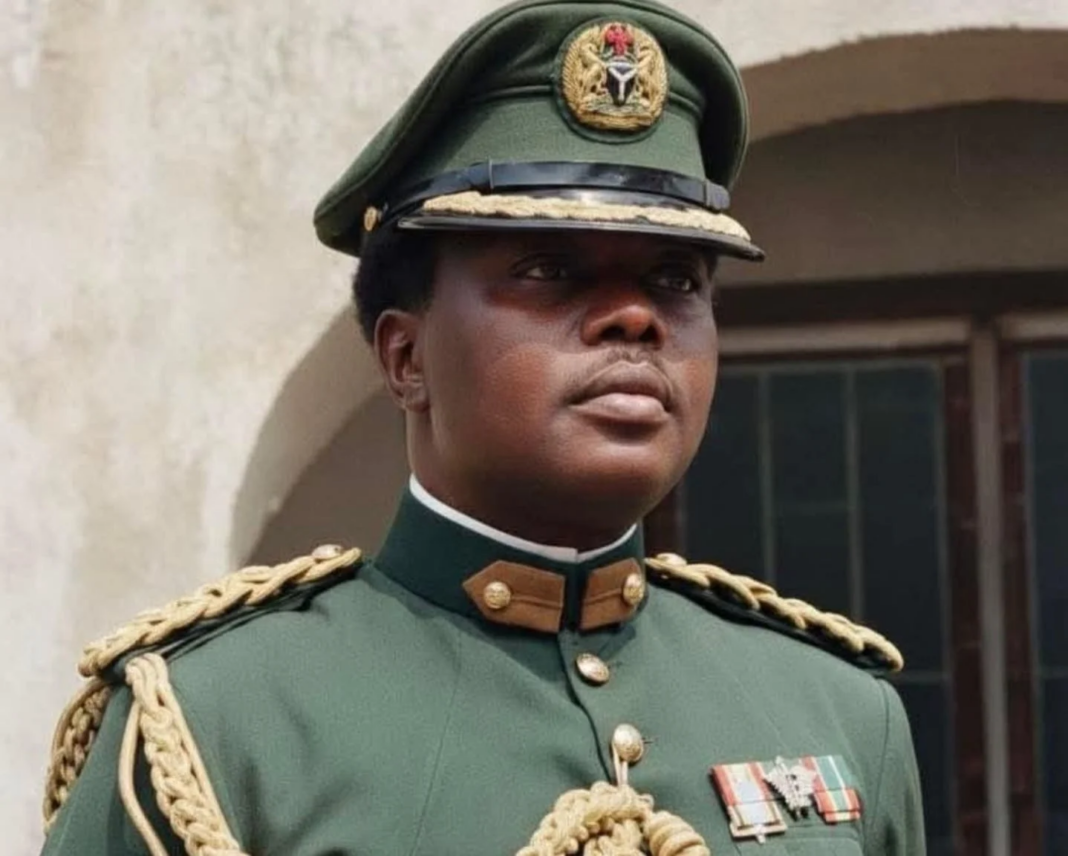

President Bola Tinubu on Thursday paid glowing tribute to the late Head of State, General Murtala Muhammed, describing him as a military officer endowed with democratic credentials whose brief but impactful leadership left an indelible mark on Nigeria’s political evolution and the broader struggle for Africa’s liberation. Speaking at the 50th Murtala Mohammed International Lecture and Leadership Conference, Tinubu, represented at the event by the Secretary to the Government of the Federation, Senator George Akume, hailed Muhammed for his patriotism, visionary leadership, and steadfast commitment to fighting corruption, noting that his legacy continues to resonate across the country and the continent. Tinubu emphasised the late leader’s rare combination of military discipline and democratic foresight, stating that Muhammed possessed “democratic blood in his veins,” and praised his efforts in steering Nigeria toward a transition program that would restore presidential democracy during his short tenure in office.
In his tribute, Tinubu highlighted Muhammed’s unwavering commitment to Nigeria and his unrelenting pursuit of integrity in governance. “He (late General Muhammed) was not just a Nigerian; he was a man who loved his country deeply. He took on corruption headlong and fought it with all the skills and talents given to him by God,” the President said, noting that the anti-corruption measures initiated by the late leader during his administration remain respected and remembered by Nigerians decades after his death. Beyond national concerns, Tinubu drew attention to Muhammed’s significant role in championing Africa’s emancipation, citing Nigeria’s frontline involvement in liberation movements across Angola, Namibia, Mozambique, Zimbabwe, Guinea-Bissau, and the fight against apartheid in South Africa, illustrating how his Pan-African vision extended Nigeria’s influence as a leader in continental freedom and justice.
The conference also featured reflections from prominent Nigerian statesmen who underscored different aspects of Muhammed’s enduring legacy. Former President Olusegun Obasanjo, who serves as Chairman of the Board of Trustees of the Murtala Foundation, emphasized that one of the late Head of State’s most remarkable achievements was his foresight in grooming successors, contrasting his leadership with those of many who fail to prepare those who come after them. “One of the legacies of the late Head of State was grooming a successor,” Obasanjo said, adding that Muhammed’s influence played a pivotal role in shaping his own approach to sustaining the transition to presidential democracy, and by extension, the political stability of Nigeria.
Former Vice President Yemi Osinbajo also took the stage to connect Muhammed’s vision for Africa with contemporary continental developments, particularly in trade, innovation, and industrial growth. Osinbajo noted that the late leader’s aspiration for an “Africa coming of age” is materializing today as countries on the continent shift from import-dependence to becoming exporters, particularly following the implementation of the African Continental Free Trade Area (AfCFTA). He added that African nations are now asserting themselves in entrepreneurship, innovation, and the manufacturing of goods and services, saying, “With good leadership, the continent will compete with others,” thereby framing Muhammed’s ideals as a guiding light for modern African economic and industrial advancement.
In addition to Nigerian dignitaries, the conference drew international figures who paid homage to Muhammed’s life and work. Former President of Malawi, Joyce Banda, described the late General as “my hero and a distinguished son of Africa,” underscoring his Pan-Africanist ideologies and dedication to selfless service. Banda remarked that Muhammed’s entire life was devoted to the welfare of his people without seeking personal enrichment, and that his commitment to continental liberation helped drive the independence and democratization of several African nations, reinforcing the late leader’s reputation as a statesman whose influence extended far beyond Nigeria’s borders.
General Murtala Muhammed’s rise to power came in July 1975 when he led a bloodless coup that ousted General Yakubu Gowon, positioning himself as Nigeria’s Head of State. His tenure, though brief—lasting just 200 days—was marked by decisive and transformative reforms that reverberated through Nigeria’s political and administrative systems. Among these were the dismissal of over 10,000 public officials accused of corruption, the creation of seven new states, and the implementation of an organized transition to civilian rule. Moreover, his administration laid the groundwork for relocating Nigeria’s capital from Lagos to Abuja, a visionary step aimed at promoting equitable national development and reducing the congestion and political centrality of Lagos.
The tribute by Tinubu highlighted the enduring relevance of Muhammed’s policies for contemporary governance. By taking a firm stance against corruption and emphasizing transparency and accountability, Muhammed set standards that subsequent leaders have sought, at varying levels of success, to emulate. Tinubu’s remarks suggested that such principles remain vital today, not only in maintaining institutional integrity but also in fostering Nigeria’s political maturation and strengthening public confidence in governance structures.
Observers at the lecture noted that the conference served as both a commemoration and a reminder of the values essential for effective leadership. The participation of both Nigerian and African leaders reflected the wide-ranging impact of Muhammed’s vision and the ongoing interest in studying and applying his approaches to contemporary political and socio-economic challenges. By drawing attention to his achievements in governance, anti-corruption, and Africa’s liberation, speakers sought to reinforce the message that sustainable development and democratic consolidation require visionary and ethical leadership.
The 50th Murtala Mohammed International Lecture and Leadership Conference also highlighted how historical legacies can guide present and future policy. Tinubu’s tribute, in particular, emphasized that leadership characterized by integrity, foresight, and courage in confronting societal challenges is essential for national progress. The inclusion of voices such as Obasanjo, Osinbajo, and Banda provided multiple perspectives, linking Muhammed’s actions in the 1970s to the broader trajectory of African self-determination, governance reforms, and regional cooperation in trade and innovation.