

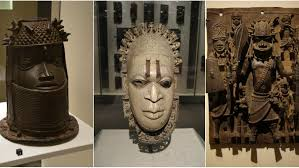

Ownership of 116 Benin Bronzes, looted during the British military expedition to Benin City in 1897, has been formally transferred from the University of Cambridge to Nigeria’s National Commission for Museums and Monuments (NCMM), marking a significant milestone in the decades-long campaign for the restitution of African cultural heritage. The university and Nigerian authorities jointly announced that the artefacts long housed in Cambridge now legally belong to Nigeria, with plans underway for their physical return before the end of the year. The development represents one of the most substantial returns of Benin artefacts by a UK institution and underscores growing international momentum to address the legacy of colonial-era looting.
The artefacts are currently held at the University of Cambridge’s Museum of Archaeology and Anthropology (MAA), which has been in possession of the pieces for decades. The transfer follows a formal request submitted in January 2022 by the NCMM seeking the return of the objects. The university supported the application, and approval for the deaccession and transfer was granted by the UK Charity Commission, the regulatory body overseeing charitable institutions in England and Wales. The approval cleared a key legal hurdle, as many museum collections in the UK are bound by strict regulations that limit the disposal of artefacts.
Under the arrangement, while ownership of all 116 artefacts has been transferred to Nigeria, 17 of the pieces will remain at the MAA on a three-year loan in the first instance. The university said the loan would allow the objects to remain accessible to museum visitors, students and researchers, reflecting what it described as an ongoing commitment to collaborative scholarship and dialogue. The majority of the artefacts, however, are expected to be physically returned to Nigeria before the end of the year, in coordination with Nigerian authorities and museum officials.
Olugbile Holloway, Director-General of the NCMM, confirmed that the returned artefacts would be housed in museums in Lagos and Benin City. “We expect this to happen before the year ends,” Holloway said, referring to the timeline for their physical repatriation. He emphasized that the significance of the return goes beyond the material value of the objects themselves. “The return of cultural items for us is not just the return of the physical object, but also the restoration of the pride and dignity that was lost when these objects were taken in the first place,” he said, highlighting the symbolic and cultural weight of the restitution for Nigerians, particularly the people of Edo State.
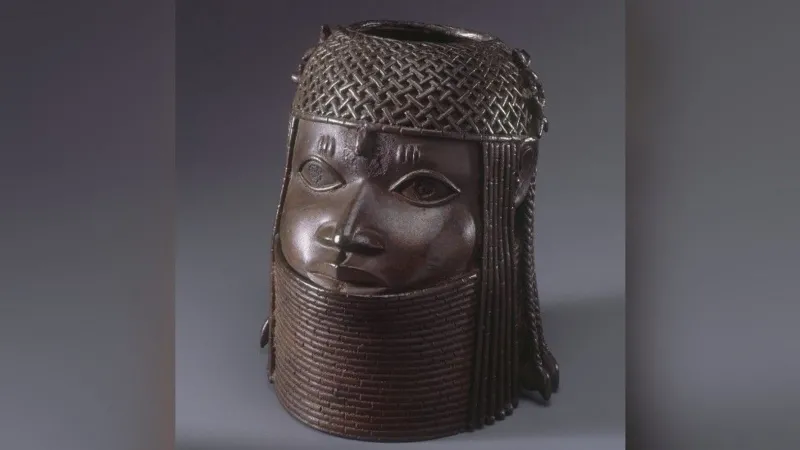
Prof Nicholas Thomas, Director of the MAA, described the transfer as the culmination of years of sustained engagement between the university and Nigerian stakeholders. “It has been immensely rewarding to engage in dialogue with colleagues from the National Commission of Museums and Monuments, members of the Royal Court, and Nigerian scholars, students and artists over the last 10 years,” Thomas said. He noted that “over the period, support has mounted, nationally and internationally, for the repatriation of artefacts that were appropriated in the context of colonial violence,” adding that “this return has been keenly supported across the university community.” The university also stated that, as one of several UK museums holding material taken from Benin in 1897, the MAA had been involved in long-term research and partnership projects with Nigerian representatives and the Royal Court of the Benin Kingdom.
The Benin Bronzes refer to thousands of intricately crafted metal sculptures, plaques and carvings produced between the 15th and 19th centuries in the Kingdom of Benin, located in what is now Edo State, southern Nigeria. Widely admired for their artistic sophistication and technical mastery, the works adorned the royal palace and played important ceremonial, historical and spiritual roles. In 1897, British troops launched what has been described in historical accounts as a “punitive expedition” against the kingdom, invading and occupying Benin City after a prior British delegation was killed. The expedition resulted in the destruction of the royal palace, the exile of the Oba (king), and the systematic seizure of thousands of artworks, which were subsequently sold or distributed to museums and private collectors across Europe and North America.
According to records held by institutions such as the British Museum and widely documented by historians, the sale of the looted bronzes helped offset the costs of the military campaign. Over time, the artefacts became central exhibits in major Western museums, often displayed as examples of African artistry but detached from their original cultural and historical context. For decades, Nigerian authorities, the Royal Court of Benin and cultural advocates have sought their return, arguing that the bronzes are inextricably linked to the identity, history and spiritual life of the Edo people.
The transfer by Cambridge forms part of a broader international reckoning with colonial-era collections. In 2022, Germany formally returned more than 20 Benin Bronzes to Nigeria in a landmark restitution agreement, with additional returns following. Other European institutions, including museums in France and the Netherlands, have also taken steps toward repatriation. These moves reflect intensifying global debates about the ethics of holding artefacts acquired through colonial conquest, as well as growing recognition that restitution can serve as a pathway to more equitable cultural partnerships.
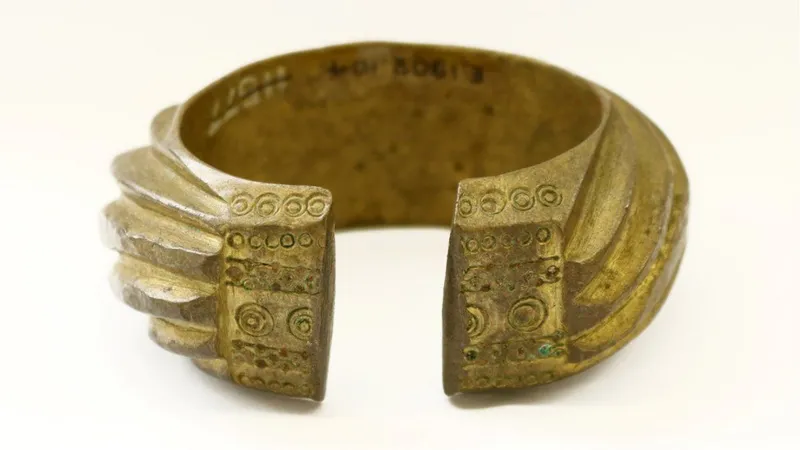
In the United Kingdom, however, restitution has often been complicated by legal and institutional constraints. While some universities and museums have found pathways to return objects, national institutions such as the British Museum are bound by legislation that restricts the permanent removal of items from their collections. As a result, the Cambridge decision is being viewed as a significant precedent within the UK museum sector, demonstrating that restitution is possible within existing legal frameworks when institutions and regulators are aligned.
For Nigeria, the return of the 116 Benin Bronzes represents both a symbolic and practical victory. Beyond restoring ownership, it opens opportunities for new exhibitions, scholarship and public engagement within the country. A new, permanent exhibition is expected to be developed in the future, ensuring that the artefacts are accessible to Nigerian audiences and integrated into national narratives of history and heritage. As global conversations about restitution continue, the Cambridge transfer adds momentum to calls for other institutions to re-examine their collections and engage in meaningful dialogue with countries of origin, reinforcing the principle that cultural heritage is deeply tied to identity, memory and justice.