

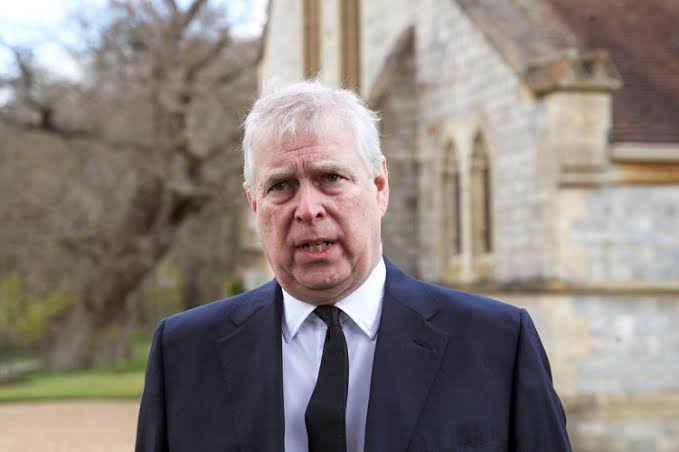

Britain’s former Prince Andrew has left his long-time residence at Royal Lodge in Windsor and relocated to the Sandringham estate in eastern England, according to a report by the BBC on Tuesday, as renewed scrutiny over his historical association with the late convicted sex offender Jeffrey Epstein returns him to public attention. The BBC reported that Andrew, now formally known as Andrew Mountbatten-Windsor following his withdrawal from royal duties, departed the Windsor property on Monday after living there for nearly two decades with his former wife, Sarah Ferguson. Buckingham Palace declined to confirm the relocation when contacted by AFP, but multiple British media outlets reported that he is temporarily residing at Sandringham in Norfolk while preparations continue for his eventual move into Marsh Farm, a residence on the estate currently undergoing renovation.
The reported move comes at a time when Andrew is again facing intense public and political pressure after his name appeared in a fresh release of documents by the United States Department of Justice (DOJ) connected to the long-running investigation into Epstein’s network. According to summaries of the release, the cache includes references to Andrew in photographs and correspondence that have reignited questions about the nature of his past relationship with Epstein. Observers say the timing of the relocation has fueled speculation that the former royal is seeking a lower profile as renewed international attention focuses on material that has brought his past associations back into the spotlight.
Among the details reportedly contained in the DOJ material are images described as showing Andrew kneeling over a woman lying on the ground, as well as emails that reference invitations for Epstein to visit Buckingham Palace for discussions described as “private.” The documents, which US authorities say form part of broader disclosures tied to Epstein’s activities and network, have not been presented in court as evidence against Andrew, but their publication has nevertheless intensified calls for clarification regarding his past interactions with the financier. Legal experts note that the release of such materials often triggers renewed public scrutiny even when no formal charges are involved.
The political reverberations in the United Kingdom have also been notable, with Prime Minister Keir Starmer stating publicly that Andrew should testify before the US Congress about what he knows regarding Epstein’s crimes. Starmer’s remarks reflect growing calls for transparency, particularly as American lawmakers continue to examine the global reach of Epstein’s network and the individuals who were part of his social and professional circles. The prime minister’s statement places the issue not only in a legal context but also within a broader framework of accountability and public trust.
Compounding the renewed attention is a claim made by a second Epstein accuser, conveyed through her lawyer, alleging that Epstein sent her to Britain in 2010 to have sex with Andrew at Royal Lodge. The allegation, reported by media outlets citing legal representatives, has been strongly denied by Andrew, who has consistently rejected all claims of wrongdoing. His legal team has previously maintained that he has no recollection of meeting some of his accusers and that allegations against him are false. As with earlier claims, the latest accusation has not resulted in criminal charges but has nevertheless intensified public discussion.
Andrew’s association with Epstein dates back to the early 2000s, when the financier moved within elite social circles that included politicians, academics, celebrities, and royalty. According to widely reported accounts from reputable outlets such as the BBC, The Guardian, and The New York Times, Andrew and Epstein were introduced through mutual acquaintances and maintained a social relationship that continued even after Epstein’s 2008 conviction in Florida for soliciting prostitution from a minor. That conviction, and the controversial plea deal that accompanied it, later became a focal point for critics questioning why prominent associates continued contact with Epstein.
One of the most widely circulated images linked to the controversy emerged in 2010, showing Andrew walking with Epstein in New York’s Central Park after Epstein had served his jail sentence. The photograph, published by international media, raised significant questions about Andrew’s judgment in maintaining contact with Epstein following his conviction. At the time, Andrew’s representatives said he had gone to New York to end the friendship in person, but critics argued that the optics of the meeting undermined that explanation and fueled suspicion about the nature of their relationship.
Public scrutiny intensified dramatically in November 2019 when Andrew gave a widely watched interview to the BBC’s Newsnight program. During the interview, he addressed allegations made by Virginia Giuffre, who claimed she had been trafficked by Epstein and forced to have sex with Andrew when she was 17. Andrew denied the allegations, stating he had “no recollection” of meeting Giuffre and offering explanations that were widely criticized by viewers and commentators. The interview was broadly seen as a turning point that deepened public concern and damaged his standing.
Within days of the Newsnight interview, Andrew announced he would step back from public royal duties, stating that the controversy had become a “major disruption” to the work of the Royal Family. Buckingham Palace confirmed that he would withdraw from official engagements for the foreseeable future. The decision marked an unprecedented retreat for a senior royal figure and signaled the seriousness with which the monarchy viewed the reputational damage caused by the allegations.
In 2022, Andrew reached a multimillion-pound settlement with Virginia Giuffre in a civil case filed in the United States. The settlement was made without any admission of liability or wrongdoing. Legal documents indicated that the agreement included a substantial payment to Giuffre’s charity supporting victims’ rights. While the settlement ended the civil lawsuit, it did not quell public debate, as many viewed the payment as a pragmatic legal decision rather than a resolution of the questions surrounding his conduct.
Epstein himself died by suicide in a New York jail in 2019 while awaiting trial on federal charges of sex trafficking minors, a development that prevented many aspects of his network from being fully examined in court. His death intensified global interest in uncovering the extent of his associations and the individuals who had moved within his circle. Investigations and document releases since then have continued to shed light on Epstein’s contacts, periodically bringing Andrew’s name back into public discussion.
The death of Virginia Giuffre last year added another layer of complexity to the narrative. Giuffre had been one of the most prominent voices alleging abuse by Epstein and his associates, and her passing prompted renewed reflection on the long-term toll on survivors. Her earlier legal action against Andrew remains one of the most high-profile cases linking him to Epstein’s activities, even though it concluded through settlement rather than trial.
The latest DOJ document release has revived international media focus on Andrew at a time when he had largely withdrawn from public life. Analysts say that each new disclosure tied to Epstein tends to reopen old questions about the former prince’s conduct, even in the absence of fresh legal proceedings. The combination of visual material, correspondence, and witness claims in the latest release has amplified calls for fuller explanations.
Andrew has repeatedly denied any wrongdoing in connection with Epstein or the allegations made by accusers. His representatives have consistently emphasized that he has not been charged with any crime and that past legal matters were resolved without admission of guilt. Supporters argue that he has been subjected to trial by media, while critics contend that key questions remain unanswered due to the absence of courtroom examination.
The relocation to Sandringham, according to royal correspondents, may also reflect practical considerations about Andrew’s status within the Royal Family since stepping back from official duties. Royal Lodge, located near Windsor Castle, had been his primary residence for 20 years, and the move to a more secluded estate in Norfolk is seen by some as a step toward further privacy. Reports that he will eventually settle at Marsh Farm, once renovations are complete, indicate a longer-term shift in living arrangements.
Buckingham Palace’s refusal to comment publicly on the move is consistent with its approach to matters concerning Andrew since his withdrawal from duties. Palace officials have largely avoided engaging in public discussion about his circumstances, leaving media reports and official statements from external bodies to shape the narrative. This approach underscores the monarchy’s effort to distance institutional functions from personal controversies involving individual members.
Prime Minister Starmer’s call for Andrew to testify before the US Congress adds a diplomatic dimension to the situation, suggesting that the issue may extend beyond domestic public opinion into international accountability discussions. Whether such testimony would occur remains uncertain, but the statement reflects the seriousness with which British political leaders view the reputational implications of the ongoing revelations.
Britain’s former Prince Andrew has left his long-time residence at Royal Lodge in Windsor and relocated to the Sandringham estate in eastern England, according to a report by the BBC on Tuesday, as renewed scrutiny over his historical association with the late convicted sex offender Jeffrey Epstein returns him to public attention. The BBC reported that Andrew, now formally known as Andrew Mountbatten-Windsor following his withdrawal from royal duties, departed the Windsor property on Monday after living there for nearly two decades with his former wife, Sarah Ferguson. Buckingham Palace declined to confirm the relocation when contacted by AFP, but multiple British media outlets reported that he is temporarily residing at Sandringham in Norfolk while preparations continue for his eventual move into Marsh Farm, a residence on the estate currently undergoing renovation.
The reported move comes at a time when Andrew is again facing intense public and political pressure after his name appeared in a fresh release of documents by the United States Department of Justice (DOJ) connected to the long-running investigation into Epstein’s network. According to summaries of the release, the cache includes references to Andrew in photographs and correspondence that have reignited questions about the nature of his past relationship with Epstein. Observers say the timing of the relocation has fueled speculation that the former royal is seeking a lower profile as renewed international attention focuses on material that has brought his past associations back into the spotlight.
Among the details reportedly contained in the DOJ material are images described as showing Andrew kneeling over a woman lying on the ground, as well as emails that reference invitations for Epstein to visit Buckingham Palace for discussions described as “private.” The documents, which US authorities say form part of broader disclosures tied to Epstein’s activities and network, have not been presented in court as evidence against Andrew, but their publication has nevertheless intensified calls for clarification regarding his past interactions with the financier. Legal experts note that the release of such materials often triggers renewed public scrutiny even when no formal charges are involved.
The political reverberations in the United Kingdom have also been notable, with Prime Minister Keir Starmer stating publicly that Andrew should testify before the US Congress about what he knows regarding Epstein’s crimes. Starmer’s remarks reflect growing calls for transparency, particularly as American lawmakers continue to examine the global reach of Epstein’s network and the individuals who were part of his social and professional circles. The prime minister’s statement places the issue not only in a legal context but also within a broader framework of accountability and public trust.
Compounding the renewed attention is a claim made by a second Epstein accuser, conveyed through her lawyer, alleging that Epstein sent her to Britain in 2010 to have sex with Andrew at Royal Lodge. The allegation, reported by media outlets citing legal representatives, has been strongly denied by Andrew, who has consistently rejected all claims of wrongdoing. His legal team has previously maintained that he has no recollection of meeting some of his accusers and that allegations against him are false. As with earlier claims, the latest accusation has not resulted in criminal charges but has nevertheless intensified public discussion.
Andrew’s association with Epstein dates back to the early 2000s, when the financier moved within elite social circles that included politicians, academics, celebrities, and royalty. According to widely reported accounts from reputable outlets such as the BBC, The Guardian, and The New York Times, Andrew and Epstein were introduced through mutual acquaintances and maintained a social relationship that continued even after Epstein’s 2008 conviction in Florida for soliciting prostitution from a minor. That conviction, and the controversial plea deal that accompanied it, later became a focal point for critics questioning why prominent associates continued contact with Epstein.
One of the most widely circulated images linked to the controversy emerged in 2010, showing Andrew walking with Epstein in New York’s Central Park after Epstein had served his jail sentence. The photograph, published by international media, raised significant questions about Andrew’s judgment in maintaining contact with Epstein following his conviction. At the time, Andrew’s representatives said he had gone to New York to end the friendship in person, but critics argued that the optics of the meeting undermined that explanation and fueled suspicion about the nature of their relationship.
Public scrutiny intensified dramatically in November 2019 when Andrew gave a widely watched interview to the BBC’s *Newsnight* program. During the interview, he addressed allegations made by Virginia Giuffre, who claimed she had been trafficked by Epstein and forced to have sex with Andrew when she was 17. Andrew denied the allegations, stating he had “no recollection” of meeting Giuffre and offering explanations that were widely criticized by viewers and commentators. The interview was broadly seen as a turning point that deepened public concern and damaged his standing.
Within days of the *Newsnight* interview, Andrew announced he would step back from public royal duties, stating that the controversy had become a “major disruption” to the work of the Royal Family. Buckingham Palace confirmed that he would withdraw from official engagements for the foreseeable future. The decision marked an unprecedented retreat for a senior royal figure and signaled the seriousness with which the monarchy viewed the reputational damage caused by the allegations.
In 2022, Andrew reached a multimillion-pound settlement with Virginia Giuffre in a civil case filed in the United States. The settlement was made without any admission of liability or wrongdoing. Legal documents indicated that the agreement included a substantial payment to Giuffre’s charity supporting victims’ rights. While the settlement ended the civil lawsuit, it did not quell public debate, as many viewed the payment as a pragmatic legal decision rather than a resolution of the questions surrounding his conduct.
Epstein himself died by suicide in a New York jail in 2019 while awaiting trial on federal charges of sex trafficking minors, a development that prevented many aspects of his network from being fully examined in court. His death intensified global interest in uncovering the extent of his associations and the individuals who had moved within his circle. Investigations and document releases since then have continued to shed light on Epstein’s contacts, periodically bringing Andrew’s name back into public discussion.
The death of Virginia Giuffre last year added another layer of complexity to the narrative. Giuffre had been one of the most prominent voices alleging abuse by Epstein and his associates, and her passing prompted renewed reflection on the long-term toll on survivors. Her earlier legal action against Andrew remains one of the most high-profile cases linking him to Epstein’s activities, even though it concluded through settlement rather than trial.
The latest DOJ document release has revived international media focus on Andrew at a time when he had largely withdrawn from public life. Analysts say that each new disclosure tied to Epstein tends to reopen old questions about the former prince’s conduct, even in the absence of fresh legal proceedings. The combination of visual material, correspondence, and witness claims in the latest release has amplified calls for fuller explanations.
Andrew has repeatedly denied any wrongdoing in connection with Epstein or the allegations made by accusers. His representatives have consistently emphasized that he has not been charged with any crime and that past legal matters were resolved without admission of guilt. Supporters argue that he has been subjected to trial by media, while critics contend that key questions remain unanswered due to the absence of courtroom examination.
The relocation to Sandringham, according to royal correspondents, may also reflect practical considerations about Andrew’s status within the Royal Family since stepping back from official duties. Royal Lodge, located near Windsor Castle, had been his primary residence for 20 years, and the move to a more secluded estate in Norfolk is seen by some as a step toward further privacy. Reports that he will eventually settle at Marsh Farm, once renovations are complete, indicate a longer-term shift in living arrangements.
Buckingham Palace’s refusal to comment publicly on the move is consistent with its approach to matters concerning Andrew since his withdrawal from duties. Palace officials have largely avoided engaging in public discussion about his circumstances, leaving media reports and official statements from external bodies to shape the narrative. This approach underscores the monarchy’s effort to distance institutional functions from personal controversies involving individual members.
Prime Minister Starmer’s call for Andrew to testify before the US Congress adds a diplomatic dimension to the situation, suggesting that the issue may extend beyond domestic public opinion into international accountability discussions. Whether such testimony would occur remains uncertain, but the statement reflects the seriousness with which British political leaders view the reputational implications of the ongoing revelations.