

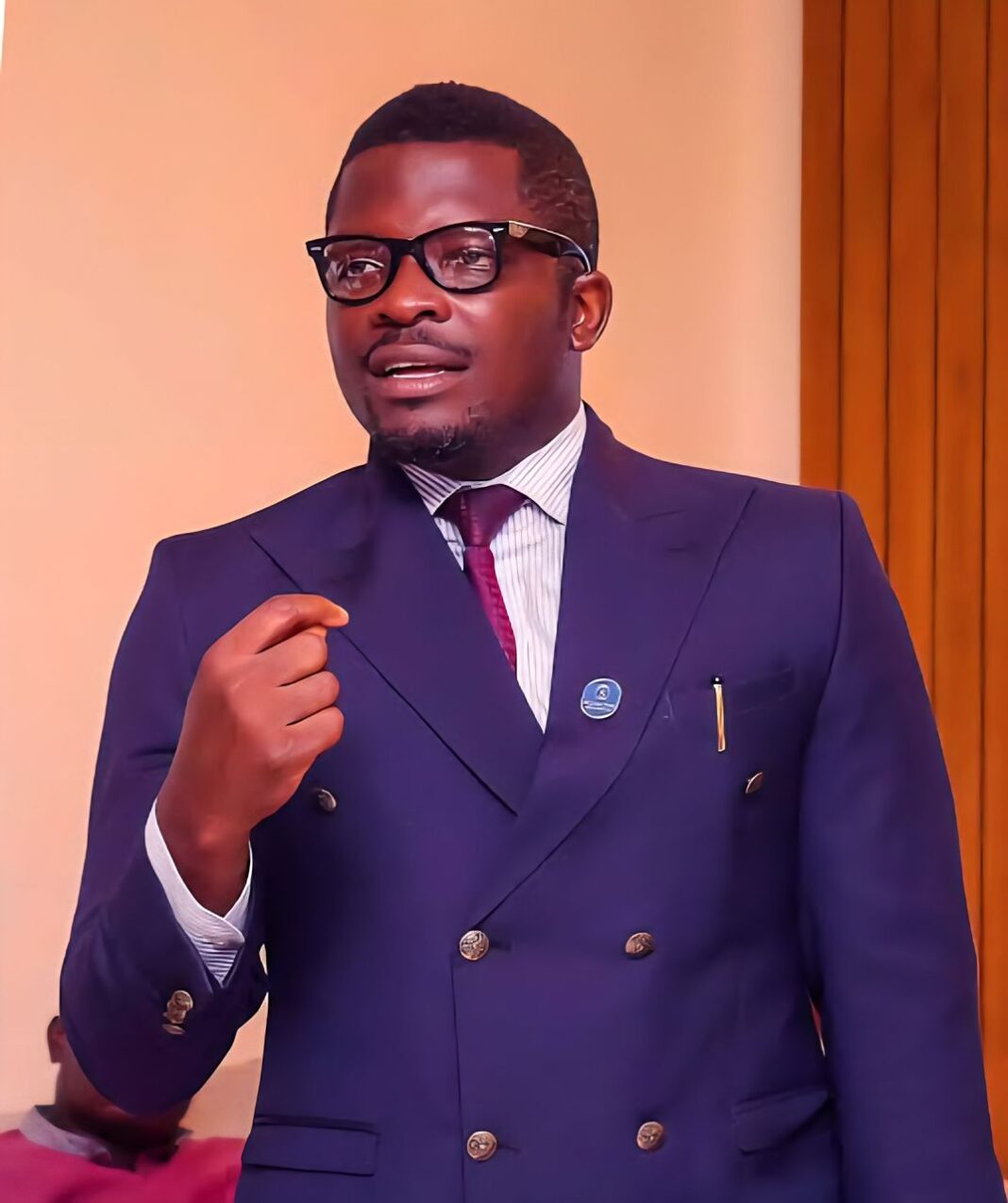

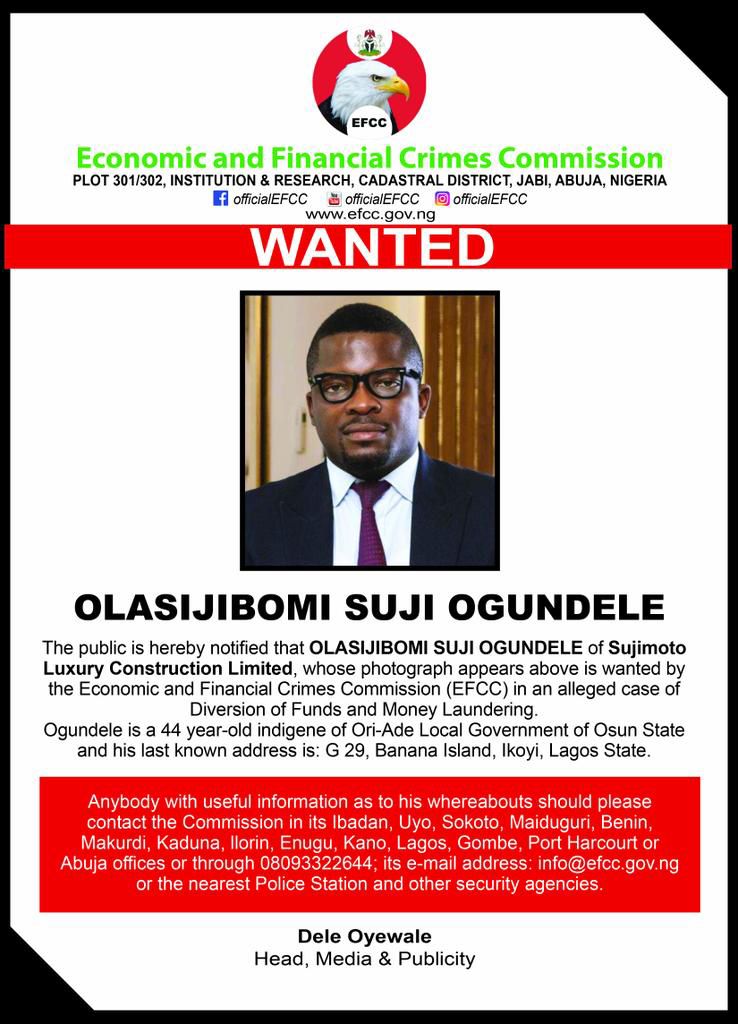
Nigeria’s anti-graft agency, the EFCC, has stirred the nation with a public notice declaring Olasijibomi “Sujimoto” Ogundele wanted over allegations of money laundering and diversion of funds, sending shock waves through the luxury real estate sphere. In response, a visibly emotional Ogundele released a video, insisting he is “not a thief” nor a “fugitive,” and declared his intention to voluntarily appear before investigators, attributing the allegations to contract disagreements and cost escalations, rather than to criminal conduct.
Behind the headlines lies a vivid portrait of a man who, from the humblest beginnings, rose to define luxury living in Lagos. Born in Agege in 1981, the “Agege boy” attended Lagos State Model College, Meiran, before earning his LL.B from Anglia Ruskin University in the UK.
From a young age, poverty struck a chord with Ogundele. He recalls that out of over 40 homes on his street, only two had generator sets, instilling in him the determination that he would never be poor. “Poverty has remained a major driver for me,” he once said. His mother, Adebukola, whom he describes as an entrepreneurial “professor” and a model of integrity, shaped his business ethos. “Integrity is a must-have, it’s the currency of my business… saying what you mean and meaning what you say,” he said in a 2020 interview.
His early entrepreneurial efforts began with okada motorcycles and hawking souvenirs in France. Yet his real breakthrough came in 2011, when he’d bought and renovated an apartment in Paris, then sold it within two months at double the price. The experience ignited his passion for real estate and prompted a move back to Nigeria equipped with global vision.
He founded Sujimoto in 2013 and brought his luxury-first philosophy to life, rejecting mediocrity. As he once proclaimed, “I came into the luxury real estate industry to liberate the Nigerian luxury real-estate market, offer world-class development where quality will always supersede price.” His mantra, “1 + 1 = 11,” or “Motomatics,” embodies the essence of achieving far more than the obvious and it is something he credits to his late mentor, Dr. Sujimoto Koga.
Sujimoto’s portfolio is designed to change perceptions. High-profile developments include the Giuliano (sold out six months before completion and once home to music star Davido), Lucrezia in Banana Island, the crown jewel of his brand and other ambitious projects like Leonardo, Queen Amina, S-Hotel Ikoyi, and the Sujimoto Tower in Dubai. In addition, recent efforts to stabilize the business amid economic turmoil saw the company pay off ₦273 million in salary arrears and settle over 80% of private debts efforts that underscore the resilience behind the brand.
Across interviews, Ogundele framed his work as reshaping Nigeria’s real estate, stating, “My vision is simple: to redefine luxury living by bringing the best of the world to the centre of Lagos. Sujimoto is to architecture what Picasso is to art.” He added: “I didn’t learn integrity at Harvard… I learned it in the silence of 3 a.m., when salaries were due, debts loomed, and the world seemed to forget that builders, too, bleed.”
Now, he stands at a crossroads. The EFCC’s formal action could yet be his undoing or the beginning of his vindication. On one hand, his reputation, project commitments, and stakeholder trust hang in the balance. On the other, a decisive and transparent appearance before authorities, and clear communication with clients, could rallies support and salvage his legacy. The outcome remains to be written.
Samuel Aina