

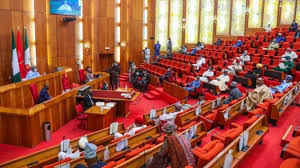

The Senate is set to resume deliberation on the highly anticipated and controversial Electoral Act amendment bill on Tuesday, amid mounting public criticism over delays that observers warn could undermine the credibility of Nigeria’s 2027 general elections. Lawmakers have come under increasing pressure from civil society organizations, opposition parties, and legal experts who argue that the protracted pace of legislative action threatens to erode public confidence in the electoral system. With the inauguration of a specially constituted ad hoc committee, the upper chamber appears poised to conclude work on the bill and transmit it for final approval this week, signaling a renewed push to meet expectations ahead of the general elections.
The decision to establish the seven-member ad hoc committee followed a three-hour closed-door executive session during which senators subjected the Electoral Act (Repeal and Enactment) Bill to intense scrutiny. The panel was tasked with harmonizing senators’ positions on the proposed legislation and resolving lingering differences that had slowed the bill’s progress in previous months. Members of the committee were given a maximum of three days to complete their assignment and submit a report, with the goal of allowing the Senate to resume plenary deliberations and move closer to final passage of the amendments.
Senate President Godswill Akpabio explained that the committee was established to synthesize lawmakers’ views and ensure that due diligence is observed in the consideration of the bill. Although the House of Representatives had already passed the legislation, the Senate emphasized the importance of a thorough review before concurring, highlighting the stakes involved in ensuring transparent, credible, and legally sound reforms to the nation’s electoral framework. Akpabio maintained that careful scrutiny was necessary to prevent potential legal challenges and preserve the integrity of the process.
The ad hoc committee is chaired by the Chairman of the Senate Committee on Judiciary, Human Rights and Legal Matters, Niyi Adegbonmire, and includes prominent senators such as Adamu Aliero, Aminu Tambuwal, Adams Oshiomhole, Danjuma Goje, Tony Nwoye, and Titus Zam. The committee’s mandate extends to resolving disagreements among lawmakers, reconciling divergent interpretations of the proposed amendments, and ensuring that the bill aligns with constitutional requirements and international best practices in electoral management.
Preliminary findings from the Senate Committee on Electoral Matters indicate that the proposed amendments are designed to strengthen electoral integrity, enhance transparency, and boost public confidence in the voting process. Among the recommendations is a clause-by-clause review that emphasizes measures aimed at curbing electoral malpractice, expanding voter participation, and improving the institutional capacity of the Independent National Electoral Commission (INEC). These recommendations are central to lawmakers’ argument that the reforms are necessary to prevent the recurrence of procedural failures and disputed results in future elections.
Key provisions of the proposed Electoral Act amendment include the introduction of stiffer penalties for electoral offences such as vote-buying, falsification of results, and obstruction of election officials. Offenders would face fines of up to N5 million, jail terms of up to two years, and a ten-year ban from contesting elections. By imposing stricter consequences for malpractice, lawmakers hope to deter unethical behavior and ensure that the electoral process is more secure, credible, and fair to all participants.
The bill also seeks to modernize Nigeria’s voting system through the introduction of electronically generated voter identification. This measure includes a downloadable voter card with a unique QR code and mandates the electronic transmission of polling unit results to INEC. Lawmakers assert that these technological innovations will reduce the risk of result manipulation, increase efficiency in vote counting, and foster public confidence in the integrity of election outcomes.
In addition, the proposed legislation recognizes the voting rights of inmates, mandating INEC to register eligible prisoners and enable their participation in the electoral process. This reform aims to guarantee universal suffrage for all eligible citizens, addressing long-standing gaps in the existing electoral framework and reinforcing the principle that no segment of the population should be excluded from democratic participation.
Other significant reforms include the standardization of delegates for indirect party primaries, the requirement for early release of election funds at least one year before polling day, and measures to protect the independence of the electoral commission. Together, these provisions are intended to ensure timely preparation for elections, reduce the likelihood of logistical bottlenecks, and safeguard the institutional credibility of Nigeria’s electoral management system.
Despite the progress made, legal experts and opposition parties have criticized the Senate for repeatedly delaying action on the bill. Senior Advocate of Nigeria Femi Falana and representatives of opposition groups have described the delays as unnecessary, arguing that the prolonged process risks undermining public confidence and perpetuating existing weaknesses in the electoral system. Critics assert that the repeated establishment of review committees may serve to preserve the status quo rather than address the urgent need for reform.
Concerns raised by civil society and opposition parties focus on the potential for delays to affect the credibility of the 2027 elections, with warnings that failure to implement key provisions such as electronic result transmission, inmate voting, and sanctions against vote-buying could heighten disputes and electoral litigation. The criticism highlights the broader tension between legislative procedure and the pressing need to modernize Nigeria’s electoral laws before the upcoming general elections.
Proponents of the bill argue, however, that thorough deliberation is essential to prevent errors that could compromise the legality and effectiveness of the reforms. They emphasize that due diligence, transparency, and careful review are necessary to safeguard the electoral system against loopholes, ambiguities, and potential legal challenges. By balancing urgency with careful scrutiny, the Senate aims to produce legislation that is both credible and sustainable.
The ad hoc committee’s accelerated timeline reflects the Senate’s commitment to fast-track the legislative process while ensuring that all viewpoints are considered. Lawmakers have indicated that the committee’s findings will guide plenary deliberations, reconcile outstanding differences, and facilitate the smooth passage of the bill within the week. This approach is intended to signal responsiveness to public demand while maintaining adherence to legislative standards.
Observers note that the outcome of the Senate’s deliberations will have far-reaching implications for Nigeria’s democratic process. The successful passage of the Electoral Act amendments could enhance public confidence, reduce opportunities for malpractice, and strengthen the independence of INEC. Conversely, further delays or perceived manipulation of the legislative process could exacerbate skepticism about the commitment of lawmakers to genuine reform.
The Senate’s handling of the Electoral Act amendment bill represents a critical test of institutional accountability, legislative efficiency, and public trust. The ability of the upper chamber to reconcile differences, act swiftly, and uphold the principles of transparency and fairness will shape perceptions of electoral governance and the legitimacy of future elections. Citizens, civil society, and political actors alike will be closely monitoring the process.
As Nigeria prepares for the 2027 general elections, the resolution of the bill’s outstanding issues remains central to the integrity of the democratic process. The Senate’s renewed push, coupled with the committee’s work, seeks to address public concerns, ensure comprehensive reforms, and safeguard electoral credibility. Observers stress that timely action is vital, noting that failure to conclude the amendments could have long-term consequences for the nation’s political stability.
The Senate has assured that the ad hoc committee’s work will fast-track the legislative process, restore public confidence, and bring the Electoral Act amendment bill closer to enactment. While scrutiny and debate remain essential components of good governance, lawmakers have underscored the urgency of completing the process in a timely manner to ensure that Nigeria’s electoral system is strengthened, transparent, and fully prepared for the challenges of the 2027 elections.