

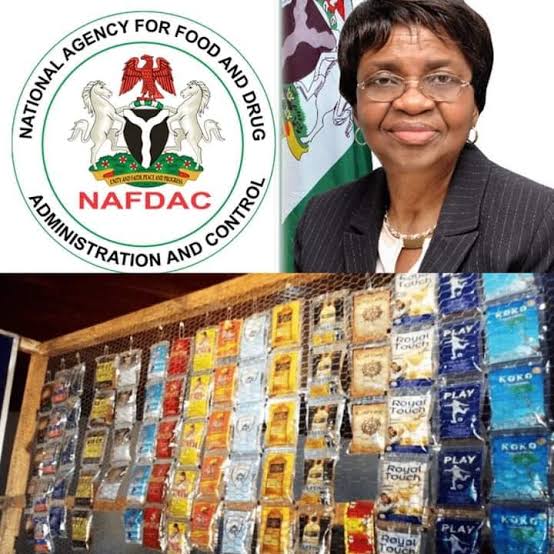

Nigeria has entered a new phase of the long-running dispute over the National Agency for Food and Drug Administration and Control (NAFDAC) ban on sachet alcohol and other small-packaged alcoholic beverages. As the agency begins enforcing the prohibition in early 2026, a broad coalition of industry players, civil society organisations, workers and economic stakeholders is demanding renewed dialogue, warning of unintended economic hardship, job losses and hasty regulatory action.
From Phase-Out to Enforcement: A Policy in Motion
The ban, which targets alcoholic drinks packaged in sachets and PET or glass bottles smaller than 200 ml, did not emerge overnight. It traces back to a 2018 Memorandum of Understanding (MoU) between NAFDAC, the Federal Ministry of Health, the Federal Competition and Consumer Protection Commission and industry bodies such as the Association of Food, Beverage & Tobacco Employers (AFBTE) and the Distillers and Blenders Association of Nigeria (DIBAN). That agreement set a five-year phase-out period for such products, formally ending on 31 December 2025.
In November 2025, NAFDAC reaffirmed its commitment to the ban, asserting that high-alcohol sachet drinks are a public health hazard — particularly for children and young adults — because their affordability and concealability make them easily accessible. The agency said enforcement would begin following a Senate directive supporting the deadline and urging compliance with global best practices aimed at reducing alcohol-related harm.
On 22 January 2026, NAFDAC officials confirmed that enforcement had effectively begun, with the agency demanding compliance from manufacturers and retailers. At a media briefing in Lagos, NAFDAC Director-General Prof. Mojisola Adeyeye reiterated that the agency’s mandate is to protect public health and discourage harmful use of alcoholic beverages — especially those with previously reported high alcohol content of between 50 % and 90 %.
Stakeholders Sound the Alarm: Calls for Dialogue
NAFDAC’s move has not gone uncontested. On 23 January 2026, a key civic advocacy group, Concerned Citizens for Change, held a press conference in Abuja condemning the agency’s actions as “high-handed, undemocratic and economically perilous.” The group criticised NAFDAC for bypassing earlier consultations under the supervision of the Federal Ministry of Health and casting aside the multi-sectoral National Alcohol Policy developed through extensive stakeholder engagement.
At the centre of the backlash are concerns over economic fallout. The group, echoed by other organizations such as Stand Up Nigeria, warns that immediate enforcement could wipe out investments totalling nearly ₦1.9 trillion, trigger direct job losses for more than 500,000 workers, and affect up to 5 million indirect jobs across the value chain — from manufacturing and distribution to retail and logistics.
Industry associations and labour unions have similarly decried the ban. The Food, Beverage and Tobacco Senior Staff Association (FOBTOB) cautioned that the directive threatens nearly ₦2 trillion in capital investment and called for a full review with comprehensive stakeholder participation before further action.
Public Health vs. Economic Impact: Competing Narratives
NAFDAC’s core justification for the enforcement is public health protection. Regulators highlight evidence linking small-packaged alcoholic products to underage consumption, addiction and social harms such as road accidents and domestic violence, arguing that price and packaging make these alcoholic beverages especially risky. The agency also emphasises its mandate to prevent harmful or unsafe products from reaching consumers.
However, critics argue that an outright ban — rather than targeted regulation, taxation or education campaigns — is too blunt a policy tool. They emphasize that previous consultations led to a National Alcohol Policy with a phased regulatory approach, which was intended to balance public health goals with economic realities. By enforcing the ban ahead of a broad consensus, they argue, NAFDAC risks curtailing legitimate industry activity and undermining livelihoods.
Political and Institutional Tensions
The controversy has exposed some institutional tension between regulatory zeal and legislative oversight. Earlier in the debate, the Federal Government temporarily suspended enforcement, pending review of National Assembly resolutions and wider stakeholder engagements — an effort that reflected recognition of the policy’s broad implications.
Yet the Senate’s directive to enforce the ban by the end of 2025 and subsequent judicial ringing endorsement have empowered NAFDAC to proceed, with the agency asserting that it acted on renewed legislative backing. Stakeholders, however, argue that due process and broader consultation — including fresh hearings with industry, labour and consumer representatives — are necessary to ensure the policy is fair, lawful and economically sustainable.
Economic and Social Dimensions on the Ground
For many small-scale retailers and consumers, sachet alcohol has been a staple product because of its low cost and accessibility. Retailers argue that the ban will disproportionately affect low-income communities where consumers rely on smaller, cheaper packaging, and where sellers depend on steady daily sales for livelihood. Historical protests by workers and industry groups — including storming regulatory offices — underscore how deeply the issue resonates among affected constituencies.
There is also a societal dimension to the debate. Some Nigerians on social platforms have mixed views — while acknowledging the need to curb underage alcohol abuse and harmful drinking patterns, they also criticise what they see as heavy-handed policy implementation without adequate public engagement. These discussions reflect broader anxieties about regulatory overreach amid Nigeria’s fragile economic conditions.
Looking Ahead: Calls for Inclusive Policy Making
As enforcement gains momentum, stakeholders across the political, economic and social spectrum are calling for a renewed, inclusive dialogue to ensure that public health goals are balanced with economic realities and constitutional procedures. Many are urging the Senate, the Federal Ministry of Health and regulators like NAFDAC to convene a comprehensive, multi-sectoral consultation that revisits the ban within the framework of the National Alcohol Policy — and potentially explore alternative strategies that mitigate harm without inflicting disproportionate economic suffering.
The outcome of this policy dispute will not only affect how Nigeria regulates alcohol, but also shape perceptions of regulatory authority, economic resilience and participatory governance at a time when the nation grapples with broader public health and development priorities.