

Russian, Ukrainian, and US negotiators are set to meet in the United Arab Emirates on Friday in what officials have described as the first trilateral talks since Moscow launched its full-scale invasion of Ukraine nearly four years ago. The upcoming meeting carries significant diplomatic weight, coming amid heightened tensions and ongoing efforts to explore pathways toward a negotiated settlement. Kremlin officials confirmed that Russia would be represented in Abu Dhabi following a series of preparatory discussions in Moscow, including a meeting between President Vladimir Putin and US envoys.
These meetings emphasized the strategic importance both Washington and Moscow place on dialogue, despite the persistent military conflict and unresolved territorial disputes that have defined the war. The UAE talks mark a critical opportunity for all parties to test the potential for compromise, examine proposals advanced by the United States, and clarify positions ahead of any formal negotiation framework, with the international community closely monitoring developments for their implications on regional stability.
Recent preparatory meetings between Russian and US officials have shed light on the complexity of the issues at hand. Kremlin aide Yuri Ushakov described discussions with US representatives, including Steve Witkoff and Jared Kushner, as “substantive, constructive and very frank,” stressing that while the talks were productive, a durable peace agreement remained contingent on the resolution of territorial questions. According to Ushakov, President Putin emphasised that Russia is “sincerely interested” in a diplomatic solution, but reiterated that without agreement on key territorial issues—particularly those relating to eastern Ukraine and Crimea—any long-term settlement would be unattainable. Moscow has maintained that the objectives of its “special military operation” will continue until these territorial concerns are fully addressed, signaling that while dialogue is ongoing, Russia’s military strategy remains actively pursued in parallel with diplomatic overtures.
From the Ukrainian perspective, President Volodymyr Zelensky has been vocal about the challenges facing any peace negotiations. Speaking at the World Economic Forum in Davos, Zelensky criticised European allies for a perceived lack of “political will” in confronting Russia and stressed the unresolved status of territory in eastern Ukraine as a central obstacle to any agreement. He emphasised that compromises would be necessary from both sides, underscoring that Ukraine remains willing to negotiate within the framework of national sovereignty and security imperatives. Zelensky highlighted specific territorial sticking points, including Russia’s demand that Ukraine cede control over approximately 25 percent of the Donetsk region still held by Kyiv, a demand that remains a key barrier to consensus. While expressing determination to safeguard Ukrainian territorial integrity, Zelensky also signaled a pragmatic approach, indicating readiness to consider phased withdrawals or adjustments as part of broader proposals for conflict resolution.
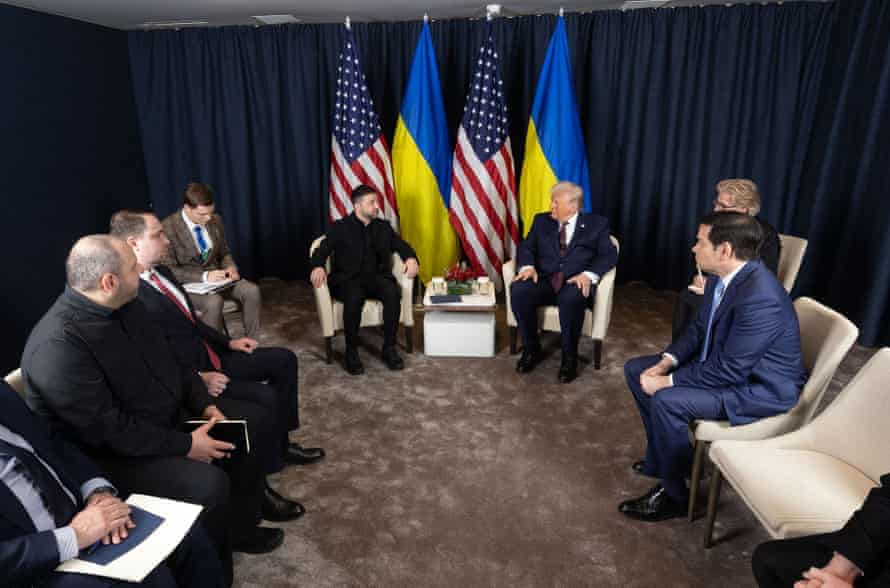
The composition of the negotiating teams reflects the high stakes and technical complexity of the talks. Ukraine’s delegation will include senior officials such as Rustem Umerov, head of the National Security and Defence Council; Kyrylo Budanov, head of Zelensky’s office; David Arakhamia, lead negotiator; and Andrii Hnatov, chief of the general staff. These officials will coordinate with US representatives to ensure that Ukraine’s security and territorial interests are effectively communicated. The Russian delegation will be led by General Igor Kostyukov, director of the GRU military intelligence agency, while investment envoy Kirill Dmitriev will separately meet with US officials, including Witkoff, to discuss economic and financial dimensions. The inclusion of both military and economic representatives highlights the multidimensional nature of the negotiations, encompassing security guarantees, territorial adjustments, and potential economic arrangements designed to support a durable settlement.
Central to the upcoming discussions are broader US-mediated proposals, including a 20-point plan reportedly 90 percent complete. This plan includes provisions for robust security guarantees for Ukraine, the creation of a demilitarised and free economic zone in the Donbas region, and mechanisms to facilitate phased troop withdrawals. Zelensky has indicated that the Ukrainian position on the Donbas differs from Russia’s, but that he is prepared to explore compromises such as withdrawing Ukrainian forces up to 40 kilometers from contested areas if reciprocal concessions are made. In parallel, Zelensky has reportedly reached preliminary agreements with former US President Donald Trump regarding future US security guarantees for Ukraine, though any formalisation would require ratification by both the US Congress and the Ukrainian parliament before entering into effect, underscoring the procedural and political complexities of securing binding international assurances.
The talks in the UAE take place against the backdrop of ongoing military and humanitarian challenges in Ukraine. Recent Russian strikes on Kyiv’s power infrastructure have left significant portions of the capital without heating, water, or electricity during a harsh winter, highlighting the continued vulnerability of civilian populations to the conflict. The situation surrounding the Zaporizhzhia nuclear plant, seized by Russian forces in March 2022, further complicates the negotiations, raising concerns about nuclear security, energy provision, and the broader stability of eastern Ukraine. These conditions amplify the urgency of diplomatic efforts, as any long-term solution must account for both territorial and civilian considerations, balancing immediate humanitarian needs with strategic and security objectives.
The significance of the upcoming UAE talks is further underscored by the historical context of the conflict and previous diplomatic efforts. Earlier engagements, including the Anchorage summit between former US President Trump and President Putin, established preliminary frameworks for territorial discussions, which remain relevant to current negotiations. Both Russia and Ukraine continue to prioritise territorial control, economic management of contested regions, and security assurances as key components of any prospective settlement. The talks therefore represent not only a forum to clarify positions but also a potential pivot point for the international community to gauge the willingness of both sides to compromise and pursue a structured path toward conflict resolution.
Verified statements from all parties indicate that while there is a shared interest in dialogue, fundamental differences remain. The Kremlin has stressed that Moscow cannot accept a long-term settlement without resolving territorial claims, particularly in Donetsk, Luhansk, Crimea, and other areas. Ukraine maintains that any concessions must respect sovereignty, security, and international law, while also seeking guarantees that prevent further aggression. US negotiators have consistently framed their role as facilitating a mutually acceptable framework that combines security assurances, economic incentives, and phased implementation measures, all aimed at encouraging compromise while protecting the interests of both Ukraine and its allies.