

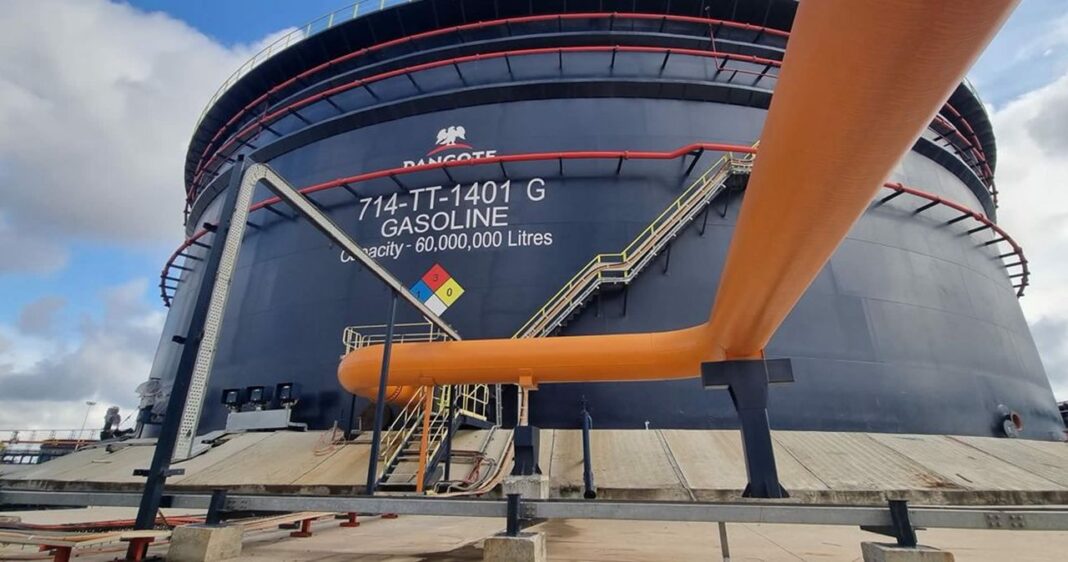

As global energy markets transition into 2026, a growing consensus among analysts, energy agencies and major banks points to a structural oversupply in crude oil — a dynamic that could fundamentally reshape price expectations, production strategies and the broader energy landscape.
Forecasts Point to a Surplus in 2026
A central concern driving market expectations is a projected supply surplus next year. The International Energy Agency (IEA), a key authority on global energy trends, warned that the oil market may face an oversupply of up to 4 million barrels per day (bpd) in 2026 if current production patterns continue. That would be roughly equivalent to nearly 4 % of global demand, indicating a significant imbalance between supply and consumption.
This projection reflects decisions by OPEC+ and other producers to lift output after extended voluntary cuts. While the Organisation of the Petroleum Exporting Countries and its allies initially constrained production to support prices, they have since eased these limits, bringing more barrels into the global market just as growth in oil demand slows.
Major investment banks and forecasting institutions also highlight an oversupply narrative. Analysts at Goldman Sachs and on Wall Street have repeatedly revised down their price forecasts for benchmark crude — suggesting that Brent crude and U.S. West Texas Intermediate (WTI) may average in the low $50s–$60s per barrel range in 2026 as inventory builds persist.
Why the Surplus Is Taking Shape
Several interlocking factors are driving the surplus story:
• Continued production growth: OPEC+ producers, including Middle Eastern exporters and Russia’s oil sector, have increased crude output. Even with slight reductions in some areas — such as a reported 0.7 % decline in Russian crude production in late 2025 — overall supply remains robust.
• Non-OPEC supply resilience: U.S. shale producers and output from countries like Brazil, Canada and Guyana contribute to rising global crude volumes. Improvements in extraction technology and capital efficiency have allowed producers to maintain output even amid softer prices.
• Weakening demand growth: Global oil demand is growing, but at a slower pace than in previous decades. Factors such as economic uncertainty, transportation electrification and structural shifts toward renewables have tempered consumption increases. The IEA’s projections suggest demand may rise by less than 1 million bpd in 2026 — insufficient to absorb the rising supply.
• Rising inventories: Oil storage levels, including seaborne inventory builds and regional stockpiles, remain elevated. This signals that produced barrels are not being consumed at a pace that clears excess supply.
Together, these elements suggest a persistent supply-demand imbalance, with inventories likely to continue climbing unless policy action or market forces intervene.
Price Signals and Market Responses
Recent price behaviour reflects these dynamics. Despite occasional rallies tied to geopolitical concerns — such as Middle East tensions or resuming Venezuelan crude shipments — crude benchmarks have generally struggled to sustain higher price levels.
In early 2026, for example, Brent crude hovered near the mid-$60s per barrel before moderating due to rising inventories and broader oversupply fears.
Analysts now broadly anticipate a range-bound market throughout 2026 unless dramatic supply cuts occur. Some projections even entertain the possibility of Brent slipping toward the $50 per barrel mark if the surplus broadens and demand growth weakens further — a scenario reminiscent of market conditions earlier in the pandemic era.
Implications for Producers and Consumers
The oversupply narrative carries differing implications across the energy landscape:
• Oil-exporting economies: Countries heavily reliant on oil revenue — from OPEC members to Russia and Brazil — may face budgetary pressures if price averages remain subdued for extended periods. Lower prices can strain fiscal balances and complicate public spending plans, especially where energy revenues fund social services or infrastructure.
• Energy companies: Producers may face compressed margins, potentially deferring investment in new exploration or costly frontier projects. Some firms could shift capital toward efficiency improvements or alternative energy investments to hedge against price volatility.
• Consumers and inflation: Lower oil prices can ease fuel costs for consumers and exert downward pressure on inflation, offering relief for households and industries dependent on petroleum products. However, this benefit must be weighed against broader economic trends that may dampen demand itself.
• Energy transition: Persistent oversupply could accelerate shifts toward cleaner energy. As oil companies reassess long-term investments amid a backdrop of price uncertainty, strategic capital may tilt further toward renewables, efficiency tech and electrification infrastructure.
Outlook: Market Balance in Flux
While the oversupply forecast remains a dominant theme for 2026, the market’s trajectory is not set in stone. Geopolitical disruptions, unplanned supply outages, deeper OPEC+ cuts or unexpected demand strength could tighten balances in ways that adjust price expectations.
Indeed, recent reporting suggests that global demand is still forecast to grow moderately in 2027, potentially helping re-equalise the market as structural imbalances ease over time.
In the near term, however, the consensus among agencies, analysts and market watchers is clear: the global oil market is entering a phase where oversupply — not outright scarcity — is the defining feature. That has meaningful consequences for prices, energy policy and the strategic choices facing producers and consumers alike as 2026 unfolds.