

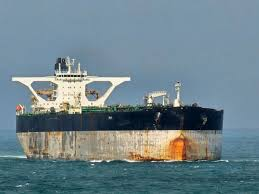

U.S. authorities seized two oil tankers linked to Venezuela in the Atlantic Ocean on Wednesday, marking a significant escalation in Washington’s efforts to control crude oil flows tied to Caracas and enforce sanctions against the socialist government of Venezuela. The seizures involving the Russia‑flagged Marinera and the Panama‑flagged M Sophia — emphasize the Trump administration’s aggressive push to assert influence over energy exports in the Western Hemisphere, part of a broader strategy that follows the capture of Venezuelan President Nicolás Maduro in a military operation over the weekend. U.S. officials say the action aims to enforce sanctions and prevent sanctioned vessels from transporting Venezuelan oil to markets in defiance of U.S. policy.
The Marinera, previously known as Bella 1, was intercepted in the North Atlantic after a weeks‑long pursuit by the U.S. Coast Guard and military forces, U.S. European Command said. The vessel had initially evaded capture in Caribbean waters in late December, changing course northward across the Atlantic to avoid a U.S. blockade targeting sanctioned oil shipments to and from Venezuela. At one point during the chase, the tanker was reflagged and bore what appeared to be a Russian flag, a move that raised the stakes of the operation and drew scrutiny from foreign capitals.
In a separate but coordinated action, U.S. forces also seized a second tanker, the M Sophia, near the northeast coast of South America, Homeland Security Secretary Kristi Noem said in a social media post. She described both ships as having been either most recently docked in Venezuela or en route there, and said the operations were conducted over a period of hours involving tactical teams working with the Departments of Homeland Security, Defense, Justice and State. The M Sophia interception marks at least the fourth such vessel seized in recent weeks as part of the broader campaign against what U.S. officials describe as a “shadow fleet” of tankers evading sanctions.
The pursuit and capture of the Marinera drew particular international attention because of reported Russian naval activity in the vicinity during parts of the chase. U.S. officials said the tanker, which had switched its name and flag while fleeing, was operating under false pretenses and attempting to evade enforcement of U.S. sanctions. Critics, however, warned that the targeting of a vessel flying another nation’s flag could heighten tensions with Russia, which has already condemned U.S. actions related to Venezuela and is engaged in broader geopolitical rivalries with Washington.
U.S. Vice President JD Vance defended the operations in an interview on Fox News, asserting that the Marinera was essentially a “fake Russian oil tanker” used to circumvent sanctions. He said the tactic of flying a foreign flag was intended to mislead authorities and complicate enforcement efforts, but that U.S. law enforcement had lawful authority to seize the vessel. Vance suggested such measures were part of a wider effort to assert American control over regional energy resources and prevent adversaries from exploiting loopholes in sanctions regimes.
Deputy White House Chief of Staff Stephen Miller framed the actions as part of a new U.S. policy on energy transport, saying that “the only maritime energy transport allowed will be that consistent with American law and national security.” Miller argued that there is “unlimited economic potential for the Venezuelan energy sector through legitimate and authorized commercial avenues established by the United States,” signaling a shift toward direct U.S. influence over how Venezuelan oil is sold and distributed. StratNews Global
Attorney General Pam Bondi added that the crew of the Marinera had made “frantic efforts to avoid apprehension” and “failed to obey” Coast Guard orders, and that criminal charges would be pursued against those responsible for resisting lawful seizure efforts. Bondi’s comments underscored the Justice Department’s role in the post‑boarding legal process, including charges for violations of U.S. sanctions and refusal to comply with federal authorities.
The Trump administration has also signaled plans to recalibrate certain Venezuelan oil sanctions, announcing intentions to sell up to 50 million barrels of crude oil that had been trapped under U.S. sanctions. White House Press Secretary Karoline Leavitt told reporters that the move to selectively roll back sanctions is designed to enable the shipping and sale of Venezuelan oil to markets worldwide, a controversial policy shift that reflects Trump’s broader strategy to harness Caracas’s vast reserves for economic and geopolitical leverage.
Venezuelan officials have responded cautiously to American overtures, with Acting President Delcy Rodriguez saying her country is open to energy relations “where all parties benefit.” Venezuela’s state oil company, PDVSA, confirmed it was in negotiations with U.S. representatives, emphasizing that proposed terms are based on “strictly commercial transactions under terms that are legal, transparent and beneficial for both parties.” Such statements signal a willingness by some Venezuelan authorities to engage commercially despite ongoing tensions and past antagonism toward Washington.
However, the seizures and broader U.S. strategy have drawn sharp criticism from both international and domestic figures. Chinese Foreign Ministry officials denounced the operations as typical acts of bullying, warning that the United States’ bold use of force over Venezuela’s oil resources risked destabilizing international norms. The Venezuelan government itself claimed that the U.S. action resulted in civilian casualties, with Interior Minister Diosdado Cabello asserting that 100 people died during the U.S. action — a claim not independently verified.
In the United States, some lawmakers expressed concern about the precedent set by these operations, particularly in light of the extraordinary capture of President Maduro’s leadership. Democratic Senator Chris Murphy described the strikes as attempts to control Venezuela “at gunpoint” and argued that using oil leverage to run another country could have long‑term repercussions for U.S. foreign policy credibility and regional stability. Such critiques reflect broader unease among Republican and Democratic lawmakers about the aggressive enforcement tactics and their potential to strain alliances.
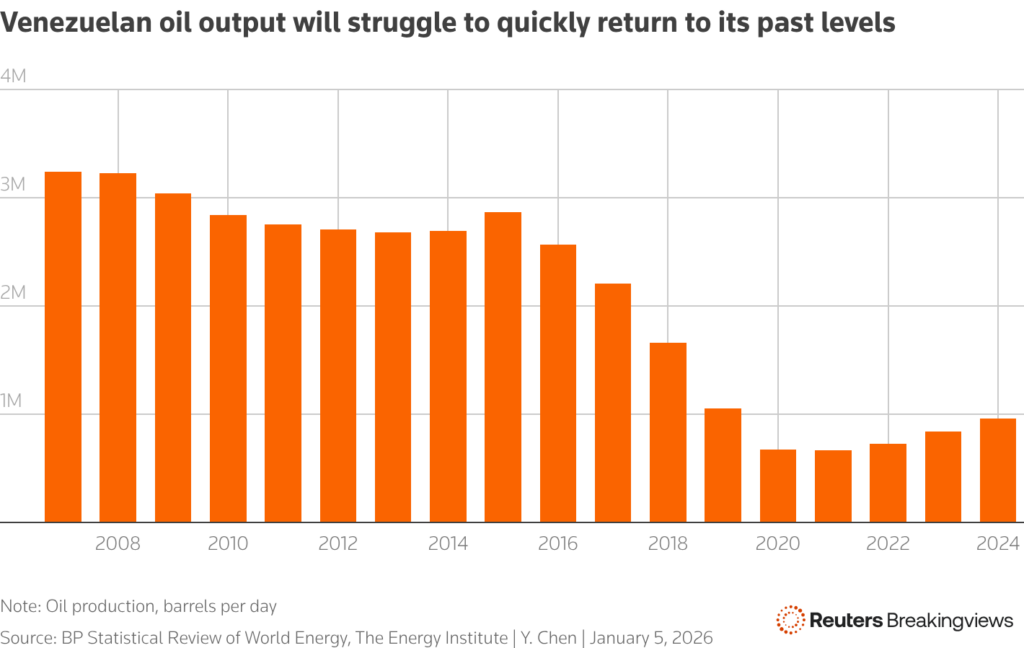
Economically, the twin seizures have reverberated in global oil markets, with crude prices dipping on expectations of increased supplies as U.S. policy allows for broader sale of Venezuelan crude. Traders reacted to the heightened geopolitical risk but also to the prospect of U.S.‑controlled oil flows entering the market. Analysts note that Venezuela’s oil exports have sharply declined under the sanctions and blockade, and the new U.S. strategy if implemented could shift supply dynamics in the Americas and beyond.
The geopolitical implications of the tanker seizures extend beyond the immediate U.S.‑Venezuela dynamic. Russia condemned the seizures as illegal and tantamount to piracy under international maritime law, citing protections for vessels flying national flags under the 1982 U.N. Convention on the Law of the Sea. Moscow demanded humane treatment and repatriation of any Russian nationals among the crew, a diplomatic flashpoint that could complicate already tense relations between the two powers, particularly against the backdrop of the ongoing Ukraine conflict.
Other leftist allies of Venezuela, including Cuba and Nicaragua, have also criticized U.S. interventions at sea, framing them as extensions of American unilateralism and asserting the right of sovereign states to manage their natural resources. Regional analysts warn that aggressive maritime interdictions could escalate tensions in the Caribbean and Atlantic, potentially prompting counternarratives from governments seeking to resist U.S. influence. Such reactions illustrate the broader contest over energy security, economic sovereignty, and geopolitical alignments in the 21st century.
Despite international objections, the Trump administration maintains that its enforcement actions and partial rollback of sanctions are lawful and aimed at protecting U.S. interests while encouraging lawful commercial engagement with Venezuela’s energy sector. The combined legal, military, and diplomatic push reflects a high‑stakes effort to reshape oil flows in the Americas, with implications for global energy markets and international law. As implementation unfolds, Washington’s approach will likely continue to draw scrutiny from allies and adversaries alike.