



Christmas is often painted as a season of lights, gifts, and festivity, but at its heart, it remains a season of love. Beyond the twinkling trees and bustling shopping streets, the true spirit of Christmas is measured in compassion, generosity, and care for others especially the vulnerable. Across the globe, communities and individuals continue to honor this timeless essence through acts of kindness that resonate far beyond the holiday season.
In many cities, the generosity of strangers manifests in simple, profound ways. In New York, volunteers serve hot meals to homeless families, ensuring that no one goes hungry on Christmas Day. The warmth of a shared meal, the smile of a volunteer, and the acknowledgement of someone’s dignity remind us that Christmas is ultimately about human connection, not consumption.
In the United Kingdom, the tradition of Christmas charity drives sees millions donating to food banks, shelters, and local initiatives. What starts as a small gesture donating a bag of groceries, wrapping a winter coat, or spending a few hours volunteering—ripples across communities, creating networks of care that are felt long after the holiday lights are taken down.
Across the world in Manila, Philippines, families and schools organize “gift-giving drives” for underprivileged children. These efforts go beyond material gifts; they offer mentorship, time, and attention, reminding children that they are valued and loved. In neighborhoods where economic hardship is widespread, such gestures serve as both celebration and lifeline.
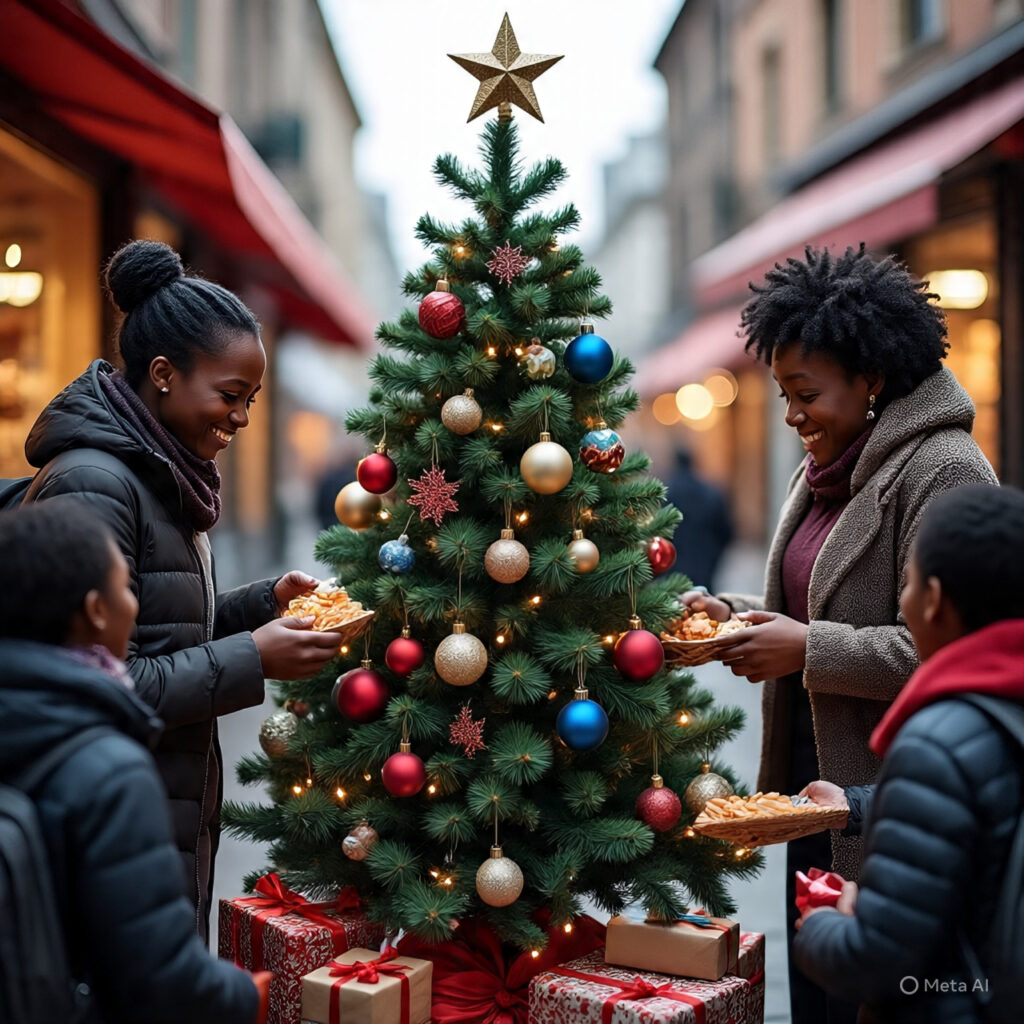
In Lagos, Nigeria, Christmas is marked by community feasts and outreach programmes in churches and mosques. People prepare extra plates of jollof rice, fried meats, and sweet treats not only for their families but also for neighbors in need. These acts of sharing transform the holiday from a private celebration into a collective affirmation of human solidarity.
Even in Japan, where Christmas is largely secular, communities have embraced charity as part of the season. Local groups organize visits to hospitals, nursing homes, and orphanages, bringing small gifts, conversation, and companionship. The focus shifts from commercialism to the human need for empathy and attention.
Economic hardship makes acts of kindness even more urgent. In war-torn regions of Syria and Yemen, humanitarian organizations distribute essential supplies, warm clothing, and food packages during Christmas. For families living amid displacement and conflict, these gestures are not just acts of generosity they are lifelines. They remind the world that Christmas can be a beacon of hope even in the darkest circumstances.
Small acts, often unnoticed, carry extraordinary weight. A neighbor shoveling snow for an elderly resident, a passerby buying an extra cup of coffee for someone in need, or a child sharing their toy with a less fortunate friend all of these gestures embody the spirit of the season. It is in these quiet acts that the true meaning of Christmas is most visible.

In Germany, many towns host communal meals where anyone in need is welcome. Volunteers cook, serve, and sit with strangers, creating a space where isolation is replaced by fellowship. The act of eating together transforms Christmas into a celebration of shared humanity rather than private wealth.
In Latin America, families visit neighborhoods or shelters to bring music, food, and joy to those who might otherwise be forgotten. Children perform nativity plays, sing carols, and hand out treats, learning early that Christmas is as much about giving as receiving. These lessons of empathy and service often endure far beyond the holiday season.
The digital age has expanded opportunities for kindness. Crowdfunding platforms, online charity initiatives, and social media campaigns allow people to reach beyond their local communities. Donations, mentorship, and virtual companionship can now cross continents in an instant, showing that even in an increasingly disconnected world, compassion can travel fast and wide.
In Australia, where Christmas coincides with summer, beach cleanups and outdoor charity events have become a seasonal tradition. Volunteers combine celebration with environmental stewardship, reminding communities that kindness extends not just to humans but to the world they inhabit.

Across Europe, hospitals, shelters, and refugee centers are transformed with volunteers distributing warm clothing, toys, and personal care packages. These acts, often unnoticed by mainstream media, are quiet reminders that the meaning of Christmas is measured in action, not spectacle.
In Canada, indigenous communities incorporate traditional values of reciprocity and care into Christmas celebrations, ensuring that elders and the isolated are included. The holiday becomes a space where cultural wisdom and compassion converge, demonstrating that the season of love transcends creed and custom.
Stories of personal sacrifice are equally powerful. Parents working multiple jobs to provide small gifts, teachers spending evenings preparing festive meals for students, and neighbors opening their homes to strangers all reflect a willingness to place others’ happiness above convenience or cost. These actions, though often unseen, sustain the moral fabric of the season.
In the United States, the Salvation Army’s bell-ringing campaigns serve as a visual reminder that Christmas is about more than consumption. Volunteers’ cheerful greetings and the symbolic act of giving and receiving connect communities, emphasizing generosity as a shared responsibility.

In South Africa, organizations host “Christmas Lunches” for orphans and children from disadvantaged backgrounds. Music, dancing, and storytelling accompany food and gifts, creating a multi-sensory celebration that conveys joy, dignity, and hope. These moments remind participants that kindness is contagious, inspiring them to give in turn.
Even in urban centers filled with commercial distractions, spontaneous gestures of kindness emerge. A taxi driver offering free rides to those stranded on cold nights, a café owner delivering leftover pastries to a homeless shelter, or colleagues organizing secret gift exchanges for the needy all of these acts reinforce the season’s essential message: love is expressed through attention and action.
Technology also allows people to share acts of kindness as inspiration. Videos and posts highlighting charitable campaigns, community drives, and personal initiatives spark wider participation, motivating individuals to extend their hands to strangers or to engage in local service projects. The ripple effect of such storytelling strengthens social bonds and amplifies the season’s moral lesson.
Christmas is also a time for reflection. Many individuals take moments to recognize privilege and responsibility, choosing to redirect resources time, money, and energy toward those who lack them. This conscious prioritization reinforces that the holiday is not defined by gifts alone, but by the choices made in service of others.

Ultimately, the season of love is measured not by extravagance but by the frequency and sincerity of kindness. Whether feeding the hungry, comforting the lonely, or simply offering a smile, every gesture contributes to the collective spirit of Christmas. These acts connect people across borders, ages, and circumstances, revealing that generosity is a universal language.
As families gather, communities organize, and strangers reach across divides, Christmas remains a testament to humanity’s capacity for care. While celebrations may change, decorations may fade, and gifts may be forgotten, acts of kindness endure proof that, for all its lights and music, the true meaning of Christmas lies in love expressed through action.