

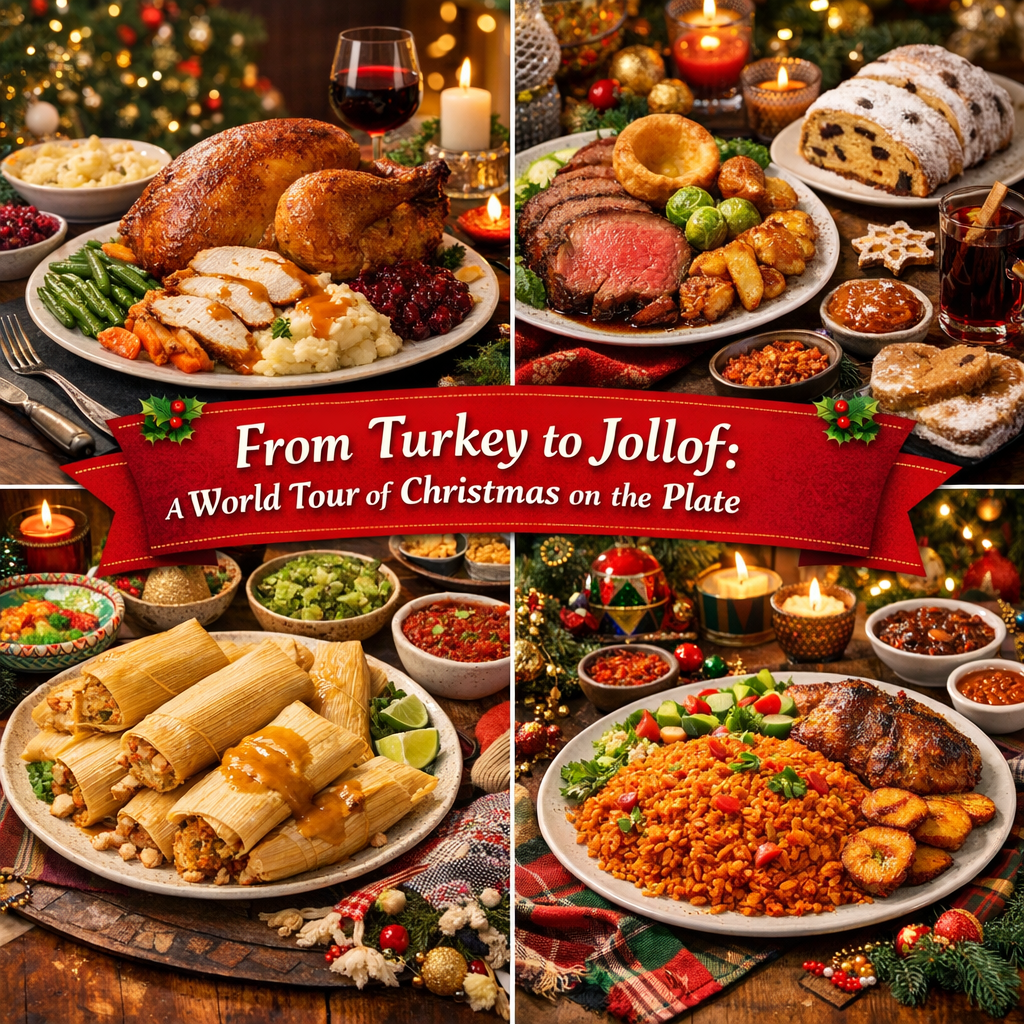

Christmas is one of the few moments in the global calendar when kitchens become cultural crossroads, and dining tables turn into storytelling spaces. Across continents, languages, and climates, the season is marked not just by lights and music, but by food—slow-cooked, carefully baked, deeply symbolic meals that anchor families to memory and place. While Christmas dishes differ widely, they share a common purpose: to gather people together, to mark abundance after hardship, and to express love in a form everyone understands. From roast turkey in the United States to stollen in Germany, jollof rice in Nigeria, and fried chicken in Japan, Christmas food traditions reveal how history, migration, and globalization continue to reshape the way the world eats and celebrates.
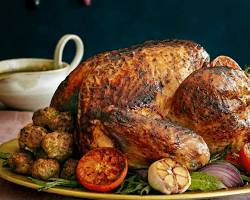
In the United States, Christmas dinner is often defined by the ritual of roast turkey, a dish that echoes the country’s Thanksgiving traditions while carrying its own festive weight. The bird, roasted until golden and aromatic, sits at the center of the table, surrounded by stuffing, mashed potatoes, cranberry sauce, and gravy. For many American families, the preparation itself is a collective act, with generations sharing kitchen duties and recipes handed down like heirlooms. The meal reflects values of abundance, hospitality, and family unity, shaped by agricultural history and a culture that places emphasis on communal dining during major holidays.
Yet even within the United States, Christmas plates tell stories of migration and diversity. In Latino households, tamales steamed in corn husks replace turkey; in Italian-American families, seafood dishes dominate Christmas Eve; in African American homes, baked ham, collard greens, and cornbread reflect Southern culinary heritage. These variations illustrate how immigrant communities adapt Christmas to their own histories, blending inherited traditions with local ingredients. Over time, these dishes become just as “American” as turkey itself, showing how food traditions evolve without losing their cultural roots.
Across the Atlantic, Germany’s Christmas cuisine reflects centuries-old baking traditions and the rhythms of a cold winter. Stollen, a dense fruit bread studded with dried fruits, nuts, and marzipan, dusted heavily with powdered sugar, is one of the season’s most iconic foods. Traditionally baked weeks before Christmas to allow the flavors to mature, stollen symbolizes patience, preparation, and continuity. Its shape is said to resemble a swaddled baby, linking the dessert directly to the Nativity story and underscoring the spiritual dimension of Christmas food.
German Christmas markets further highlight how food and festivity intertwine. The scent of mulled wine, roasted chestnuts, sausages, and freshly baked pastries fills town squares, turning public spaces into communal dining rooms. These markets have not only preserved local food customs but also exported them globally, influencing Christmas celebrations in cities far beyond Germany. Today, stollen can be found in bakeries from New York to Tokyo, a testament to how migration and global trade carry flavors across borders while preserving their original meaning.

In Nigeria, Christmas food is less about a single dish and more about abundance and celebration. Jollof rice, vibrant with tomatoes, peppers, and spices, often takes center stage, accompanied by fried rice, grilled meats, chicken, goat meat, and an array of stews. Cooking begins days in advance, with large quantities prepared to accommodate extended family, neighbors, and unexpected guests. The meal reflects deeply rooted values of generosity and communal living, where food is meant to be shared freely and widely.
For many Nigerians, Christmas cooking is inseparable from memory and movement. Urban dwellers travel long distances to their hometowns, carrying ingredients and expectations with them. The taste of jollof rice cooked over firewood in a village kitchen evokes childhood, belonging, and continuity. At the same time, modern influences—packaged seasonings, social media food trends, and restaurant-style presentations—have subtly altered how Christmas meals look and taste, showing how tradition adapts to contemporary life without losing its emotional core.
Japan offers one of the most striking examples of how globalization can redefine Christmas food culture. In a country where Christmas is largely secular, fried chicken from KFC has become an unlikely but firmly established tradition. Families place orders weeks in advance, queues stretch outside outlets, and special “Christmas buckets” are marketed as essential to the holiday. This custom, born from a successful marketing campaign in the 1970s, demonstrates how global brands can embed themselves into local traditions and create new cultural rituals.
Yet beneath its commercial origins, Japan’s Christmas chicken tradition still fulfills the universal role of festive food. It provides a shared experience, a sense of occasion, and a break from routine. In a society where traditional Christmas religious observance is limited, food becomes the primary vehicle for celebration. The Japanese example highlights how Christmas cuisine does not need ancient roots to be meaningful it only needs to bring people together.
Migration continues to blur culinary boundaries during Christmas. A Nigerian family in London might serve jollof rice alongside roast turkey, while a German household in the United States might pair stollen with eggnog. These hybrid menus reflect layered identities, where food becomes a way of honoring both heritage and home. Christmas tables increasingly tell stories of movement across borders, generations, and cultures captured in a single meal.

Global media and travel have also expanded expectations around Christmas food. Cooking shows, food blogs, and social platforms expose audiences to festive dishes from around the world, inspiring experimentation. A home cook in Lagos might attempt German baking; a family in Berlin might incorporate African spices into their holiday meal. These exchanges do not erase tradition but enrich it, allowing food cultures to grow while retaining their core meanings.
At the same time, economic realities shape what appears on Christmas plates. In many parts of the world, rising food prices have led families to adapt menus, choosing symbolic dishes over extravagant spreads. Even so, the intent remains the same—to mark the season with care and generosity. Christmas food, regardless of scale, carries emotional weight that transcends cost, reminding people that celebration is not defined by excess but by intention.
Food also serves as a bridge between generations during Christmas. Older family members pass down recipes orally, teaching younger ones not just how to cook but why certain dishes matter. The act of stirring a pot or kneading dough becomes a lesson in history and identity. These moments ensure that traditions survive even as lifestyles change and families disperse geographically.
Religion plays a varying but persistent role in shaping Christmas cuisine. In Christian households, fasting periods, special blessings, or symbolic dishes connect food to faith. Even in more secular contexts, echoes of religious meaning remain embedded in culinary rituals. Food becomes a quiet expression of belief, tradition, and continuity, even when formal observance has faded.
Across cultures, Christmas food also serves as a tool for hospitality. Guests are welcomed with plates already full, and refusal is often met with insistence. This shared understanding—that Christmas is a time to feed others cuts across borders and belief systems. Whether through a carefully sliced piece of stollen or an extra scoop of jollof rice, generosity is measured in servings.
The sensory experience of Christmas food—the aromas, textures, and flavors plays a powerful role in shaping memory. The smell of roasting meat, the sweetness of baked goods, the warmth of spices all become tied to emotion and nostalgia. Long after decorations are packed away, these sensory memories endure, carrying the essence of Christmas forward through time.
In an increasingly interconnected world, Christmas food traditions continue to change, but they rarely disappear. Instead, they absorb influences, adapt to new environments, and evolve alongside the people who prepare them. What emerges is not a loss of authenticity, but a layered authenticity one that reflects lived experience rather than fixed tradition.
Ultimately, food reveals Christmas as a deeply human celebration. It shows how people mark time, express care, and preserve identity in a changing world. From turkey to stollen, jollof rice to fried chicken, each dish tells a story of place, history, and adaptation. Together, they form a global feast that speaks a shared language.
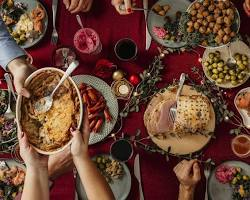
As families gather around tables large and small, Christmas food becomes more than nourishment. It becomes memory, connection, and meaning served on a plate. Across cultures and continents, the message is the same: to celebrate Christmas is to cook, to share, and to belong one meal at a time.