

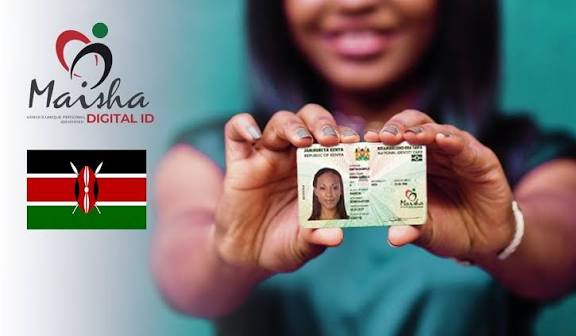

Kenya is now moving into the full‐scale rollout of its new national digital identification system, a landmark project that will play a central role in how citizens access government services, financial products, and mobile connectivity. The initiative, known under the brand “Maisha Namba / Maisha Card / Maisha Digital ID”, has been piloted for months and is now entering mass deployment across the country.
The Maisha system features three key components: a lifetime unique personal identifier known as a Maisha Namba, a physical smart-card called the Maisha Card, and a virtual credential (Maisha Digital ID) designed for use on smartphones. The government emphasises that the architecture meets international standards, such as those of the International Civil Aviation Organization (ICAO), and is built to replace legacy identity documents while consolidating multiple databases into one integrated national register.
According to the national authorities, the shift represents a major leap in Kenya’s digital transformation journey. The State Department for Immigration and Citizen Services announced that thousands of registration points and “live-capture biometric machines” have been deployed in underserved counties to ensure wider inclusion. In a recent announcement, the government also affirmed its directive that the issuance of the new ID cards will remain free of charge for eligible citizens, reinforcing accessibility.
For Kenyan citizens, the benefits of the rollout are framed around convenience and accessibility. The Maisha Namba is intended to become the foundational identifier from birth, usable across service platforms such as social health insurance, pensions, mobile network registration, education enrolment, and financial services. The consolidation promises fewer duplicated records, faster verification, and improved fraud prevention.
However, the initiative also comes with cautionary flags. Civil-society groups have raised concerns regarding data security, potential exclusion of marginalized populations, and ensuring the system is deployed without disenfranchising vulnerable groups. The government has responded by publicly committing to robust safeguards, impact assessments, and sustained public‐sensitisation efforts to build trust.
As Kenya gears up for the full launch phase, attention will now turn to execution: how quickly the Maisha identifiers are issued, how seamless the service integration proves across government and private platforms, and how swiftly challenges such as connectivity, rural reach and administrative bottlenecks are addressed. If successful, Kenya may set a benchmark for digital ID systems in Africa. If not, gaps in inclusion or data protection could dilute the promise of the system and reignite public scrutiny.