

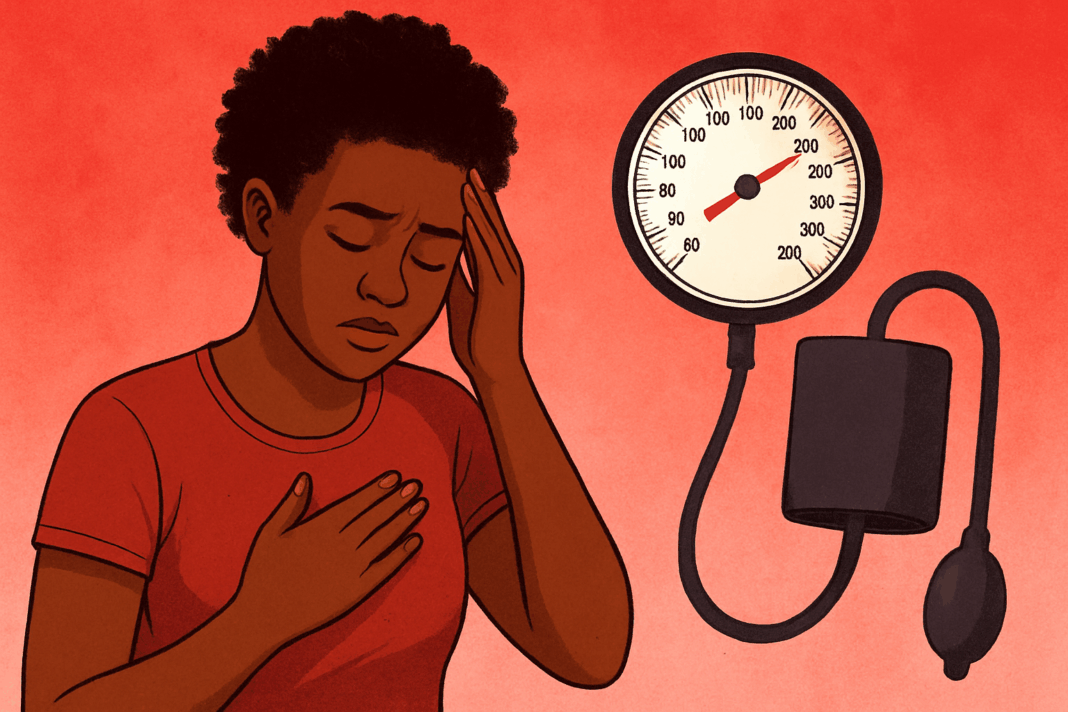

High blood pressure, medically known as hypertension, has long been considered a condition that predominantly affects middle-aged and older adults. Yet, recent studies reveal a worrying trend: an increasing number of young adults are being diagnosed with this silent condition. Often symptomless, hypertension quietly damages the heart, blood vessels, and kidneys, making early detection critical. For many young people, the first sign may not appear until serious complications arise.
The “silent” nature of hypertension is one of its most dangerous aspects. Unlike other diseases, it rarely announces itself with clear warning signs in the early stages. Headaches, dizziness, or nosebleeds may occur, but these are often dismissed as stress or fatigue. Consequently, many young adults go years without realizing their blood pressure is dangerously high, leaving them vulnerable to heart attacks, strokes, and kidney disease later in life.
In many city clinics across Nigeria, cardiologists are sounding the alarm: high blood pressure is no longer just a disease of the middle-aged and elderly. “I now see nearly twice as many patients in their 20s and 30s with dangerously high blood pressure,” says Dr. Trevor Ovoh, a Lagos-based cardiologist. He describes this trend not just as a medical issue, but as a “ticking time bomb” for the nation’s health system.
According to a recent special report, hypertension is surging among young Nigerians, challenging the long-held belief that it is reserved for older adults. The Nigerian Hypertension Society, among others, has identified a number of key risk factors: diet, stress, lack of exercise, and genetic predisposition.
This is not just a local problem. Globally, the burden of hypertension in young people (aged 15–39) is already severe and projections suggest it will only grow worse by 2050. A rise in years lived with disability (YLDs) related to high blood pressure is expected, putting younger generations at risk of chronic illness earlier in life.
Closer to home, a study conducted in Enugu State found that nearly one in five young adults (aged 18–40) already has hypertension, while almost half fall into the “prehypertensive” range. The numbers are startling, because many of these young people feel healthy and so they often don’t realize they are at risk.
Compounding the problem is low awareness. According to a U.S. study that tracked hypertension trends between 2003 and 2023, more than 20% of young adults (18–39) had elevated blood pressure. But only 28% of them knew it, and a meager 5.6% had their blood pressure under control. That gap between prevalence and awareness paints a clear picture: many young people are living with a hidden, untreated threat.
Dietary habits are at the heart of the issue. In Nigeria, specialists pointed to high-sodium diets, fast foods, and processed meals as major drivers of this rise. These foods, combined with obesity, create a dangerous cocktail that quietly raises blood pressure over time.
Sedentary lifestyles are also to blame. As more young adults gravitate toward desk jobs, long commute hours, and digital entertainment, routine physical activity has declined sharply. Without regular exercise, the blood vessels grow less flexible and blood pressure regulation becomes more difficult.
Mental health and stress contribute heavily. Many of the younger patients who walk into hypertension clinics report chronic stress whether from work pressure, financial uncertainty, or anxiety. This persistent stress triggers hormonal changes, including elevated cortisol, which can keep blood pressure abnormally high.
Genetics adds another layer of complexity. For young people with hypertensive parents, susceptibility is higher—even if their lifestyle seems relatively healthy. Family history often accelerates risk, which means early screenings and preventive vigilance are especially important for this group.
Urban living, too, plays a role. The noise, pollution, and crowding common in cities exacerbate stress and reduce access to green spaces, which would otherwise help buffer cardiovascular strain. In Nigeria, studies show that even in increasingly built-up neighborhoods, young people are developing higher blood pressure.
Consider the story of Chinedu (not his real name), a 28-year-old software developer in Port Harcourt. At a routine health check, he was shocked to learn his blood pressure was bordering on stage 1 hypertension. “I felt totally fine no dizziness, no headaches. The doctor insisted I return for follow-up,” he recalls. His case is far from isolated.
Doctors and public-health advocates are calling for stronger preventive actions. Nutrition education, both in schools and through mass media, could help young people understand the risks of high-sodium diets. Cardiologists emphasize the importance of teaching youth how to choose heart-healthy meals more fruits, vegetables, and whole grains, less salt and processed food.
Stress-management programs are also emerging as essential tools. Experts recommend incorporating mindfulness, yoga, and simple breathing exercises into daily routines. For many young people, counseling services—whether through work wellness programs or university health centers could provide a lifeline.
Equally important is routine blood pressure screening. Young adults are being urged to prioritize regular health checks, even if they feel fine. Portable home monitors offer a convenient option, but periodic checkups at clinics remain the gold standard to catch early hypertension.
But public awareness alone won’t be enough unless health systems respond. Cardiologists say Nigeria must invest more in hypertension detection, control, and treatment infrastructure especially targeting younger demographics. Community-based screening campaigns, subsidized medication, and follow-up programs could help lessen the burden.
Ultimately, reversing this trend demands a paradigm shift: young people must see hypertension as a real and present danger. Not just something that happens to older adults, but a condition creeping into their generation often in silence. By combining education, prevention, and early intervention, there is hope to stifle this emerging health crisis before it causes lasting damage.