

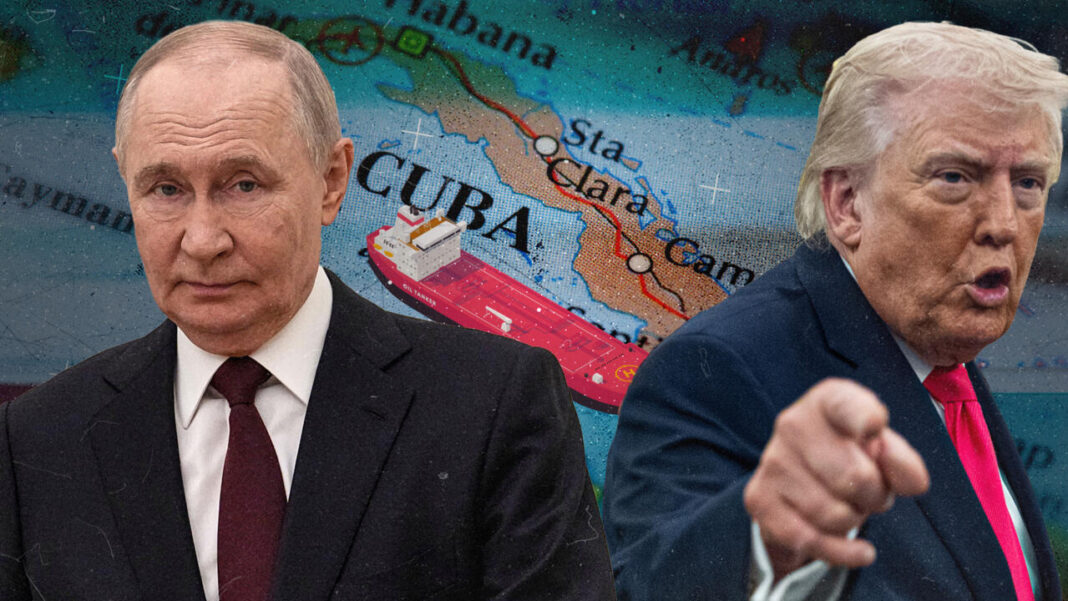

A Russian oil tanker carrying a large shipment of crude oil has entered the waters off Cuba in what is being seen as a significant development in the island’s deepening energy crisis, according to reports from Russia’s Interfax news agency and maritime tracking data.
The vessel, identified as the Anatoly Kolodkin, has arrived near the port of Matanzas after a long voyage from Russia’s Baltic port of Primorsk, and its cargo of approximately 100,000 tonnes (around 730,000 barrels) of crude oil is expected to provide a short‑term lifeline to Cuba’s struggling energy sector, which has been plagued by widespread blackouts, severe fuel shortages and economic difficulties in recent months.
The arrival of the Anatoly Kolodkin marks the first significant oil shipment to Cuba in several months, breaking a de facto oil blockade that had been effectively in place since early January and comes shortly after United States President Donald Trump appeared to soften his stance on oil deliveries to Cuba, saying he had “no problem” with countries, including Russia, sending supplies to the island.
Cuba’s energy crisis has worsened dramatically since January 3, when US forces captured Venezuelan leader Nicolás Maduro a long‑time ally and primary source of subsidised oil for Havana — leading to a sharp drop in oil supplies to the island and triggering fuel shortages, rationing and a series of nationwide blackouts that have disrupted transportation, healthcare and public services.
The Russian shipment, described by Interfax as a “humanitarian shipment,” is expected to begin offloading at the Matanzas terminal in the coming hours and could help ease the immediate shortages, although it comes amid intense political and economic pressure on the Cuban government.
Russia’s Energy Minister, Sergei Tsivilev, said Cuba “had found itself in a difficult situation as a result of sanctions pressure,” adding, “That is why we are currently sending humanitarian supplies to Cuba,” signalling Moscow’s intent to support Havana despite ongoing US sanctions and restrictions.
The shipment’s arrival also followed a notable shift in tone from the Trump administration, which had previously imposed punitive measures aimed at cutting off Cuba’s access to foreign fuel. Trump had threatened to impose tariffs on any country sending oil to Cuba and had effectively halted shipping from key suppliers such as Mexico and Venezuela in an effort to exert pressure on the communist government.
However, speaking to reporters aboard Air Force One, Trump said on Sunday that he “has no problem” with Russia delivering oil to Cuba, stating: “We have a tanker out there. We don’t mind having somebody get a boatload because they need… they have to survive,” and adding, “If a country wants to send some oil into Cuba right now, I have no problem whether it’s Russia or not.”
He also sought to minimise the political impact of the decision, telling journalists that allowing the shipment would not alter his broader strategic goals for Cuba. While it remains unclear whether Trump’s comments constitute a full reversal of the de facto blockade or simply a temporary easing of enforcement in view of humanitarian concerns, the president emphasised that the United States was acting out of a recognition of the needs of ordinary Cubans, even as his administration continues to maintain pressure on Havana’s leadership.
Cuba’s Communist government, led by Miguel Díaz-Canel, has been engaged in ongoing discussions with the United States in recent weeks in an attempt to find a way out of the crisis, but the negotiations have been complicated by political red lines and mutual distrust, with Havana rejecting externally imposed changes to its government while Washington continues to press for reforms.
The energy shipment is expected to provide temporary relief by boosting fuel supplies needed to generate electricity, power vehicles and support essential services that have been severely constrained by the prolonged shortage, which has also seen gasoline rationing, deterioration of hospital services and other hardships for Cuban citizens.
Beyond the immediate relief, the Russian tanker’s arrival highlights the complex geopolitical dynamics at play as Cuba already facing its worst economic and energy crisis since the end of the Cold War due to long‑standing economic mismanagement, the impact of the coronavirus pandemic on tourism, and the new fuel blockade turns to long‑time allies for support.
The impending offloading at Matanzas is expected to offer some respite from the energy shortages that have previously left entire regions without power for extended periods and have contributed to broader social and economic strains.