

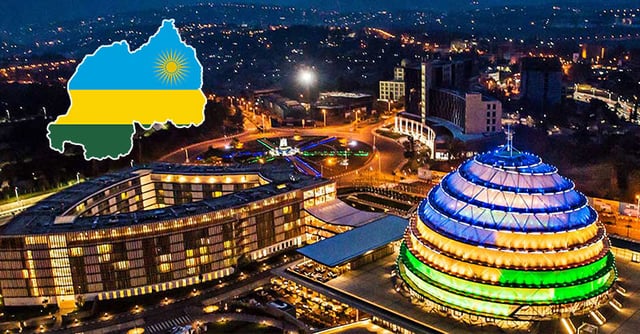

If you are visiting Rwanda for the first time, one of the first things you will notice is that the country feels different from many other African countries in ways that are both visible and deeply cultural. Rwanda, often called the “Land of a Thousand Hills,” is known for its breathtaking landscape of rolling green hills, clean streets, organised cities, and a strong sense of order that surprises many visitors. The capital city, Kigali, is often described as one of the cleanest cities not just in Africa but in the world. Cleanliness in Rwanda is not just a government policy; it is part of the culture and national identity.
On the last Saturday of every month, there is a nationwide community service known as Umuganda, where citizens, including the president, participate in cleaning streets, cutting grass, repairing public facilities, and helping their communities. As a visitor, you may notice that shops close and movement is restricted during these hours because everyone is expected to participate. This monthly exercise is one of the reasons Rwanda is widely regarded as the cleanest country in Africa. In addition, plastic bags are banned in Rwanda, and if you enter the country with plastic bags at the airport, they may be confiscated. This strong environmental policy has contributed greatly to the country’s cleanliness and environmental protection.
Another important thing visitors should understand about Rwanda is the country’s history, especially the events of the Rwandan Genocide in 1994. This was a tragic period in Rwanda’s history when about 800,000 people were killed within 100 days. Because of this history, Rwanda has made a very deliberate effort to remove ethnic division from its national identity. Before the genocide, the country was largely divided into Hutu, Tutsi, and Twa ethnic groups, and these divisions contributed to the violence.
Today, Rwanda has taken a different approach. The government encourages citizens to identify simply as Rwandans rather than by ethnic group. This is not just a social idea but is backed by law. The Constitution of Rwanda prohibits discrimination based on ethnicity, region, or religion and promotes national unity. In Rwanda today, it is considered inappropriate and even offensive in some contexts to ask someone whether they are Hutu or Tutsi. As a visitor, this is something to be very mindful of in conversations. Instead, the country promotes a national identity built around unity, reconciliation, and development. You can also visit memorial sites such as the Kigali Genocide Memorial to understand the country’s history and how it has worked to rebuild itself after the tragedy.
For visitors, Rwanda is also known for its safety, organisation, and tourism experiences. The country has invested heavily in tourism, and one of its biggest attractions is mountain gorilla trekking in the Volcanoes National Park, where tourists can see endangered mountain gorillas in their natural habitat. This is one of the most famous wildlife experiences in the world, and Rwanda carefully controls the number of visitors per day to protect the animals.
Beyond gorillas, Rwanda also offers beautiful lakes such as Lake Kivu, cultural centres, museums, and conference tourism. The roads in Rwanda are well maintained compared to many countries in the region, and the country is known for low levels of corruption, strict law enforcement, and a very organised public system. However, visitors should also be aware that Rwanda is a country where rules are taken seriously. For example, littering, crossing the road carelessly, or disrespecting public order can lead to fines. It is a country where order, discipline, and respect for public space are taken very seriously, and visitors are expected to follow the same standards.
Rwanda is also a country rich in culture, traditions, and artistic expression, which visitors can experience in both urban and rural settings. Traditional Rwandan culture is deeply rooted in music, dance, and storytelling. One of the most iconic cultural performances is the Intore dance, a traditional dance once performed by warriors, known for its energetic movements, rhythmic drumming, and symbolic meaning of bravery and excellence.
Visitors can witness these performances at cultural centres such as the Iby’Iwacu Cultural Village, where tourists are introduced to traditional lifestyles, local crafts, and indigenous knowledge systems. Rwandan cuisine is another important part of the cultural experience. Meals often include staples such as plantains, beans, sweet potatoes, and dishes like Ugali and Isombe, which reflect the country’s agricultural heritage. Sharing meals is a social activity, and visitors often find Rwandans to be warm, welcoming, and eager to share their culture.
Finally, what many visitors find most memorable about Rwanda is not just the cleanliness or the tourist attractions, but the people and the country’s story of recovery and transformation. Rwanda has deliberately rebuilt itself around the idea of unity, discipline, and national development. From the way the city is planned, to the way people dress neatly in public, to the emphasis on technology, education, and gender equality in politics, the country presents itself as a nation that is trying to redefine its future rather than remain trapped in its past.
For a visitor, Rwanda is not just a travel destination; it is a country that tells a story about how a nation can experience tragedy and still attempt to rebuild, reorganise, and reimagine itself. Understanding this background will help any visitor appreciate Rwanda not just for its beauty, but for its history, its policies, and the values that shape everyday life in the country.