

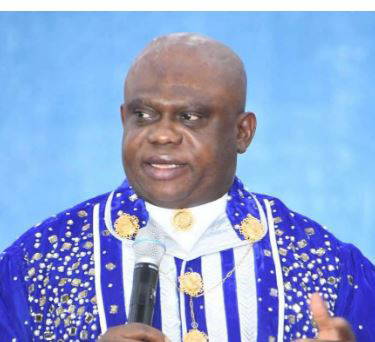

A Nigerian cleric, Chibuzor Gift Chinyere, has issued a public apology following widespread backlash over a controversial social media post in which he sought a “wife” for an autistic man under his care.
The incident, which gained traction across Facebook and other platforms, sparked intense debate about ethics, disability care, and the portrayal of women in caregiving roles.
The Viral Post That Sparked Outrage
The controversy began when the pastor, founder of the Omega Power Ministries, shared a video appealing for a woman willing to marry and care for an autistic man living under his supervision.
In the post, he reportedly offered financial incentives, including salary, accommodation, and welfare support, to any woman willing to take on the role.
While the intention may have been to secure long-term care for the individual, the framing of the appeal quickly drew criticism, with many Nigerians—particularly women—describing it as inappropriate and demeaning.
Public Backlash
The reaction online was swift and widespread. Critics argued that:
- the proposal reduced marriage to a transactional arrangement
- it placed an unfair burden on women under the guise of caregiving
- it failed to properly address the complex needs of individuals with autism
Many social media users also questioned the ethics of seeking a spouse publicly for someone with a condition that requires specialized, professional care.
The Pastor’s Apology
In response to the backlash, Chinyere issued a public apology, acknowledging that his post may have been misunderstood or offensive.
He stated: “i can never degrade any woman, if my comment was seen as downgrading, i apologize”
The cleric emphasized that his intention was not to objectify women but to find a sustainable solution for the man’s care and companionship.
His Explanation
Providing context, the pastor explained that the autistic man had been abandoned as a child and requires constant support for basic daily activities, including feeding, bathing, and general care.
He noted that previous caregivers had struggled to manage the situation, prompting him to consider alternative solutions—hence the controversial appeal.
Chinyere also highlighted his broader humanitarian work, stating that his ministry caters to hundreds of vulnerable individuals, including those with disabilities.
A Larger Conversation
Beyond the immediate controversy, the incident has opened up a broader discussion in Nigeria about:
- care for people with special needs
- the role of professional vs. informal caregiving
- societal attitudes toward autism and disability
- gender expectations in caregiving roles
Experts and advocates argue that individuals with autism often require trained support systems, rather than arrangements framed around marriage.
Between Good Intentions and Public Perception
The episode underscores a recurring issue in public discourse: the gap between intent and interpretation.
While the pastor’s actions may have been driven by concern, the execution—particularly in a public and sensitive format—highlighted the importance of:
- careful communication
- respect for dignity
- understanding of social implications
Conclusion
The apology by Apostle Chibuzor Gift Chinyere marks an attempt to address the fallout from a deeply controversial post. Yet, the conversation it sparked is far from over.
At its core, the incident serves as a reminder that issues involving disability, care, and gender must be handled with both sensitivity and expertise—especially in a digital age where public reactions are swift and far-reaching.