

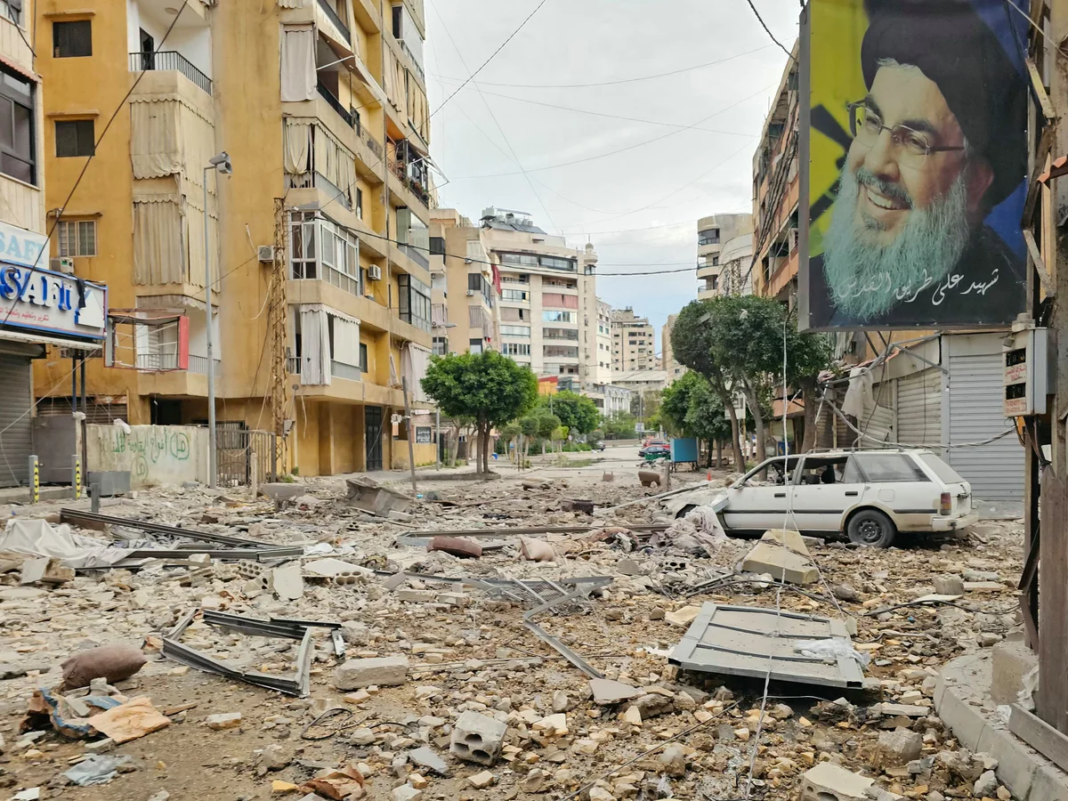

Iran has said it is reviewing a ceasefire proposal from the United States but has not entered into direct negotiations, contradicting claims by former US President Donald Trump that Tehran is eager to reach a deal to end weeks of fighting that have destabilised the Middle East and triggered global economic concerns. The conflicting positions emerged as the economic and humanitarian consequences of the conflict deepened, with fuel shortages spreading across multiple regions and governments and businesses struggling to manage the fallout from disrupted energy supplies and rising costs.
Iranian Foreign Minister Abbas Araqchi said communication between both sides had only taken place indirectly through intermediaries rather than through formal negotiations. “Messages being conveyed through our friendly countries and us responding by stating our positions or issuing the necessary warnings is not called negotiation or dialogue,” Araqchi said in a state television interview on Wednesday, emphasising Tehran’s position that indirect communication should not be interpreted as formal peace talks or diplomatic negotiations.
However, speaking later at an event in Washington, Donald Trump said Iranian leaders were privately pushing for an agreement but were reluctant to say so publicly. “They are negotiating, by the way, and they want to make a deal so badly, but they’re afraid to say it because they will be killed by their own people. They’re also afraid they’ll be killed by us,” Trump said, although he did not specify which Iranian officials were involved in the alleged discussions. The conflict, which began after US and Israeli strikes on Iran on February 28, has since escalated across the Middle East, with Tehran launching retaliatory attacks on Israel, US military bases and Gulf states, raising fears of a wider regional war and disrupting global energy markets.
The crisis has triggered what analysts have described as one of the worst energy shocks in modern history, largely due to the effective closure of the Strait of Hormuz, a strategic shipping route through which around one fifth of the world’s oil and liquefied natural gas supplies pass. The disruption has affected global supply chains and driven up transportation and production costs across multiple industries.
Farmers and fishers in several countries are struggling to obtain diesel needed for their operations, while the World Food Programme has estimated that tens of millions more people could face acute hunger if hostilities persist into June due to rising food production and transportation costs. Sultan Al Jaber, chief executive of Abu Dhabi’s state oil firm ADNOC, criticised Iran’s actions, describing restrictions on shipping through the strategic waterway as “economic terrorism.” During a speech in the United States, Sultan Al Jaber said, “When Iran holds Hormuz hostage, every nation pays the ransom, at the gas pump, at the grocery store, at the pharmacy. No country can be allowed to destabilize the global economy in this way. Not now. Not ever.”
According to Israeli cabinet sources familiar with the proposal, a 15-point US plan delivered via Pakistan calls for Iran to reopen the Strait of Hormuz, relinquish highly enriched uranium stockpiles, limit its ballistic missile programme and halt funding to regional allies. The White House has declined to publicly outline details of the proposal, while Israeli officials have expressed scepticism that Tehran would accept the terms, insisting that any agreement must preserve Israel’s option of preemptive military action.
Regional sources also said Iran has indicated through intermediaries that Lebanon must be included in any ceasefire arrangement involving the United States and Israel, a position that has added a new layer of complexity to diplomatic efforts to end the conflict.
Iran Seeks Lebanon’s Inclusion in Any US-Israel Ceasefire Agreement
Iran has told mediators that any ceasefire agreement involving the United States and Israel must also cover Lebanon, effectively linking an end to the broader war to a halt in Israeli attacks on Hezbollah, according to regional sources familiar with Tehran’s position. Iran’s state broadcaster Press TV quoted an Iranian official as saying Tehran wanted any agreement with Washington to secure a cessation of hostilities not only against Iran but also against other “resistance groups” in the region, signalling that Iran views the conflict as a multi-front war involving allied groups across the Middle East rather than a bilateral confrontation alone.
A senior Iranian official also said Tehran was still reviewing a US proposal aimed at ending the nearly month-long conflict, suggesting that the plan had not yet been rejected outright and that diplomatic channels remained open through intermediaries. Sources said Iran had informed mediators as early as mid-March that it was seeking a broader arrangement that would also end Israeli military operations against the Lebanese armed group Hezbollah. Hezbollah, which was established in 1982 by Iran’s Revolutionary Guards, entered the conflict on March 2 by opening fire on Israel in support of Tehran, prompting Israel to respond with an extensive air and ground campaign in Lebanon.
There was no immediate comment from Iran’s foreign ministry, Israel’s foreign ministry or the Israeli military on the reported position, but a senior Trump administration official said ending Iran’s “proxy activities” and disarming Hezbollah were “crucial to ensuring peace and stability in Lebanon and across the region.” One regional source said Hezbollah had received “Iranian guarantees” that it would be included in any wider ceasefire framework. “Iran is prioritizing Lebanon – it will not accept Israeli violations in Lebanon like what happened after the 2024 ceasefire,” the source said, referring to Israel’s continued strikes despite a previous truce that ended the last Hezbollah-Israel war.
The issue comes at a particularly sensitive time in Lebanon’s domestic politics, where Hezbollah’s decision to join the conflict has intensified divisions among sectarian and political factions within the country. The group’s influence has declined since suffering heavy losses in the 2024 war and following the emergence of a new Lebanese government that has demanded that Hezbollah disarm and halt its military activities. In a sign of rising diplomatic tensions, Lebanon’s foreign ministry this week declared the appointed Iranian ambassador persona non grata, a move condemned by Hezbollah and other prominent Shiite political figures who insisted the envoy should remain in the country.
A foreign official in Beirut familiar with Hezbollah’s internal thinking said the group hopes that an Iran-backed truce could help it strengthen its political standing in Lebanon at a time when its domestic influence is under pressure. Israel’s foreign ministry has said that “Israel has not conducted and does not conduct negotiations with the Iranian terror regime.”
However, a source briefed on Israeli military planning said strikes against Hezbollah were likely to continue even if the air war with Iran ends, describing the Iran and Lebanon conflicts as separate military theatres. Lebanese authorities say Israeli attacks since March 2 have killed more than 1,000 people and displaced over a million residents, further worsening the humanitarian situation and increasing pressure on international mediators to secure a broader ceasefire agreement that would cover multiple fronts in the conflict.