


Premium Motor Spirit, commonly known as petrol, has surged to nearly N1,400 per litre in several parts of the country, prompting urgent calls from organised labour and the private sector for immediate government intervention.
The rising cost of petrol follows a series of price hikes initiated by the Dangote Petroleum Refinery, which recently increased its ex-depot price to about N1,275 per litre, representing multiple upward adjustments within a short period. This latest surge has pushed retail prices from around N1,240 to as high as N1,400 per litre, depending on the location. Northern regions reportedly experience even higher rates, while some parts of Lagos and Ogun States still record slightly lower prices, around N1,340 per litre. 
The immediate trigger for the increase has been linked to escalating geopolitical tensions in the Middle East, particularly the ongoing conflict involving the United States, Israel, and Iran, which has disrupted global oil markets and driven up crude oil prices. As Nigeria operates within a deregulated downstream petroleum sector, domestic fuel prices are largely influenced by international market forces, making the country highly vulnerable to external shocks. 
Experts have warned that if the crisis persists, especially with the possibility of disruptions along critical oil transit routes such as the Strait of Hormuz, petrol prices in Nigeria could climb even higher, potentially reaching between N1,500 and N2,000 per litre. Such projections have heightened concerns about the sustainability of current economic conditions and the capacity of both households and businesses to cope with escalating costs.
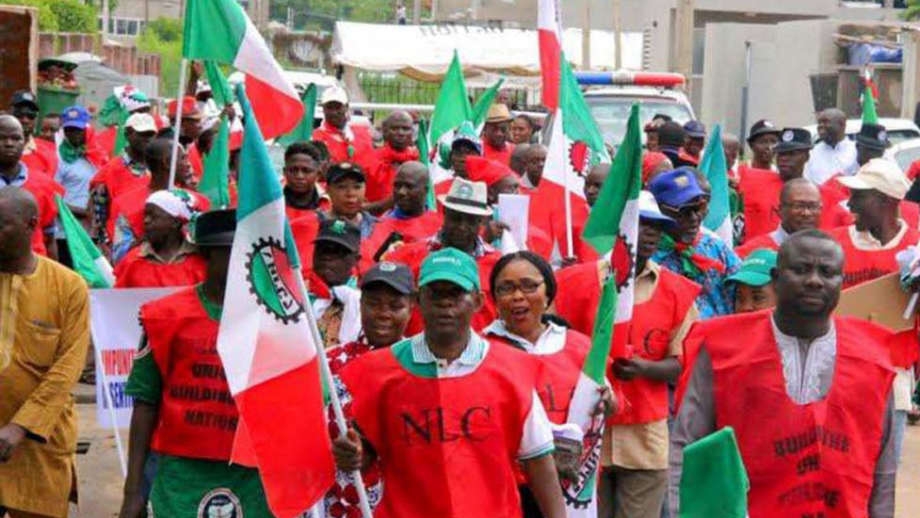
The Organised Private Sector and the Nigeria Labour Congress have both expressed alarm over the situation, describing it as a major threat to economic stability. They have jointly called on the Federal Government to implement immediate relief measures aimed at cushioning the impact on citizens and businesses. Among the proposals put forward are tax incentives for refiners, the provision of crude oil in naira to domestic refineries, and the introduction of temporary subsidy frameworks targeted at stabilising prices without distorting the broader market. 
The Nigeria Labour Congress, in particular, has raised concerns about what it described as a monopolistic structure within the downstream petroleum sector, arguing that dominant players now possess significant control over pricing. According to the union, the current system operates largely as a seller’s market, where prices are determined by a few powerful entities, leaving consumers with little protection against arbitrary increases. 
Labour leaders further criticised the government’s role in the evolving market dynamics, suggesting that policy decisions have inadvertently enabled market concentration rather than fostering competition. They argued that despite Nigeria’s status as a major crude oil producer, the benefits of refined petroleum products are not being felt by ordinary citizens, who continue to bear the brunt of rising costs. 
In addition to concerns about pricing structures, the NLC highlighted Nigeria’s apparent lack of strategic petroleum reserves, noting that countries with stronger economic management systems typically maintain such reserves to cushion the impact of global supply shocks. The near-immediate effect of the current crisis on domestic fuel prices, according to labour representatives, suggests either the absence of such reserves or a failure to deploy them effectively. 
The private sector, through the Nigeria Employers’ Consultative Association, has also warned of far-reaching consequences if the situation is not urgently addressed. Businesses across manufacturing, agriculture, and logistics are already grappling with rising energy costs, with many facing shrinking profit margins and difficult decisions regarding pricing, workforce retention, and operational scale. The association cautioned that continued increases in fuel prices could lead to widespread business closures, job losses, and a deeper cost-of-living crisis. 
While the Dangote refinery represents a significant step toward reducing dependence on imports, experts note that broader reforms are required to ensure long-term stability and competitiveness within the sector. As petrol prices continue to rise, the ripple effects are being felt across all aspects of daily life, from transportation and food prices to the cost of basic goods and services.
Samuel Aina