

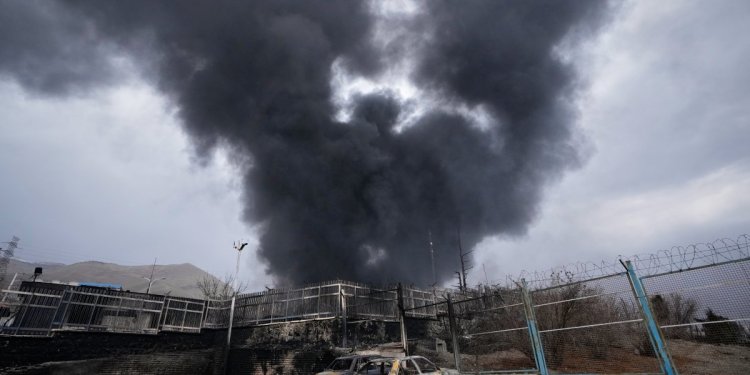

Tragedy struck in Niger State on March 23, 2026, after suspected terrorists detonated an explosive device on a major bridge, leaving at least eight people feared dead and several others injured. The incident, reported by Punch, has heightened fresh concerns over insecurity and the vulnerability of critical infrastructure in Nigeria’s northern region.
The Attack
According to reports, the explosion occurred on a busy bridge linking communities within Niger State, a vital route used daily by commuters, traders, and transporters. Eyewitnesses described a powerful blast that ripped through part of the bridge, causing panic and chaos among motorists and residents.
Several vehicles were reportedly caught in the explosion, while others veered off the road in an attempt to escape the scene. Emergency responders and local volunteers rushed to assist victims, many of whom sustained severe injuries.
Authorities confirmed that at least eight people are feared dead, though the exact casualty figure remains uncertain as search and rescue operations continue.
Suspected Terrorist Involvement
Security sources have attributed the attack to suspected террорист groups operating in the region. Niger State, like several parts of northern Nigeria, has in recent years witnessed increasing activities of armed groups, including bandits and extremist elements.
While no group has officially claimed responsibility for the bombing, the method of attack—an improvised explosive device (IED) targeting a public structure—bears hallmarks of insurgent operations aimed at:
- instilling fear among civilians
- disrupting transportation and economic activity
- challenging state authority
Impact on Communities
The destruction of the bridge has immediate and far-reaching consequences for surrounding communities. The route serves as a critical economic link, facilitating the movement of goods and people.
With the bridge damaged, residents now face:
- transport disruptions, forcing long detours
- delays in emergency response and healthcare access
- economic losses for traders and transport operators
Local leaders have expressed concern over the humanitarian impact, particularly for rural communities that depend heavily on the route for daily survival.
Government and Security Response
Security agencies have reportedly been deployed to the area to secure the site and prevent further attacks. Officials have also begun preliminary investigations into the incident, with efforts focused on identifying those responsible and preventing a recurrence.
The attack has renewed calls for:
- increased surveillance of critical infrastructure
- improved intelligence gathering
- stronger coordination among security agencies
Residents, however, continue to express frustration over recurring security breaches, urging authorities to take more decisive action.
Growing Threat to Infrastructure
This latest incident highlights a worrying trend in Nigeria’s security landscape: the targeting of infrastructure such as bridges, roads, and rail lines.
Such attacks not only endanger lives but also aim to:
- cripple local economies
- isolate communities
- undermine public confidence in government protection
Analysts warn that without enhanced protection of key assets, similar incidents could become more frequent.
Conclusion
The bombing of the Niger bridge and the loss of lives mark yet another painful chapter in Nigeria’s ongoing struggle with insecurity. As families mourn and communities grapple with the aftermath, the incident serves as a stark reminder of the urgent need to safeguard both citizens and critical infrastructure.
For many Nigerians, the hope remains that decisive action will be taken—not only to bring perpetrators to justice but also to prevent future tragedies of this nature.