

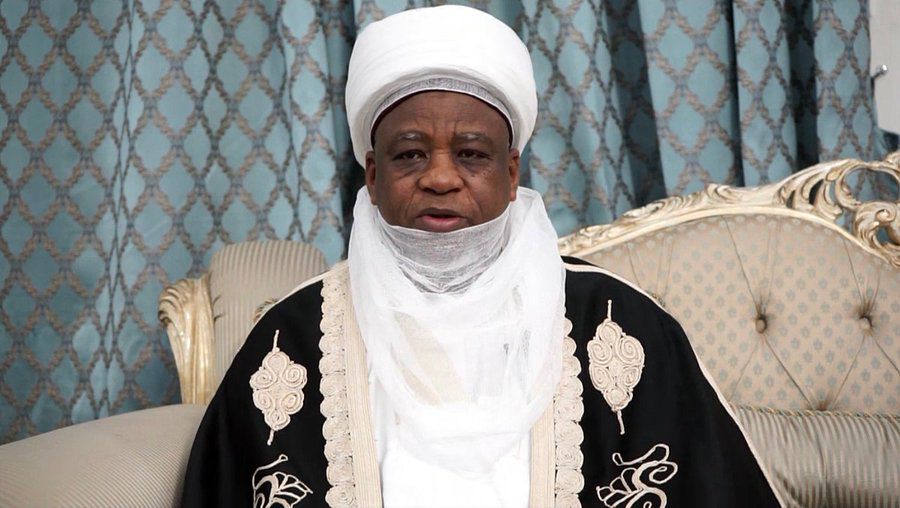

The Sultan of Sokoto has urged the Nigerian military to shift to a more offensive, proactive strategy against terrorism. Following the recent deadly bombings in Maiduguri, he called on security forces to “take the war to terrorists,” emphasizing the urgent need to confront the renewed threat directly. 
The monarch’s position reflects growing anxiety across the country following coordinated explosions that struck key civilian locations in Maiduguri on March 16, 2026. The attacks targeted crowded areas, including a major market, the Post Office area, and the entrance of the University of Maiduguri Teaching Hospital, during the evening period when residents were breaking their Ramadan fast. 
Authorities confirmed that at least 23 people were killed and more than 100 others injured in the incident, which has been widely attributed to suspected suicide bombers linked to extremist groups operating in the region. The scale and coordination of the attacks have been described as a significant breach of security in a city that had experienced relative calm in recent years despite its history as the epicentre of insurgency.
The Sultan emphasized that the security strategy must shift from reactive to proactive measures. He warned that passivity allows terrorist groups to dictate events, urging intelligence-driven operations and sustained pressure to break the cycle of violence.
The bombings have been linked to the long-running insurgency led by groups such as Boko Haram and its offshoot, the Islamic State West Africa Province. These groups have waged a violent campaign in Nigeria since 2009, resulting in tens of thousands of deaths and the displacement of millions of people across the Lake Chad Basin region. Over the years, the conflict has evolved, with militants shifting tactics between territorial control, guerrilla warfare, and suicide bombings targeting civilian populations.
Security agencies have indicated that the Maiduguri attacks were likely carried out by multiple suicide bombers who detonated improvised explosive devices in crowded public spaces with the intention of inflicting mass casualties and creating widespread panic. The use of coordinated bombings highlights the operational capability of the insurgents despite years of sustained military campaigns aimed at dismantling their networks.
The timing of the attacks during Ramadan has also drawn attention, as extremist groups have historically intensified operations during significant religious periods to maximise psychological impact and media attention. The targeting of civilians in places such as markets and hospitals further underscores the indiscriminate nature of the violence and the continued vulnerability of urban centres.
In response to the attacks, the federal government has taken steps to reinforce security in the affected areas. President Bola Tinubu directed top security officials to relocate to Borno State to oversee operations and ensure a coordinated response to the renewed threat. Military forces have since increased patrols, surveillance, and counter-improvised explosive device measures across Maiduguri and the surrounding areas.
Recent military engagements suggest that Nigerian forces are shifting towards a more proactive posture. In a separate operation shortly after the bombings, troops reportedly repelled a large-scale assault on a military base in Borno State, killing dozens of insurgents in a coordinated land and air response. This development indicates an ongoing effort by the military to disrupt insurgent activities and regain strategic advantage.
However, the persistence of attacks has raised questions about the effectiveness of existing counterterrorism strategies. While the military has achieved notable successes in reclaiming territory previously held by insurgents, experts and observers note that these gains have often proven difficult to sustain, with militants continuing to operate in rural areas and launch sporadic attacks on urban centres.
The Maiduguri bombings have also prompted reactions from various stakeholders, including international organisations and regional bodies. The African Union condemned the attacks and called for increased global support for Nigeria’s counterterrorism efforts, emphasising the need for a comprehensive approach that addresses both security and underlying socio-economic factors contributing to extremism. 
For residents of Maiduguri, the attacks represent a painful reminder of the city’s past. Once the birthplace and stronghold of Boko Haram, Maiduguri has endured years of violence before experiencing a period of relative stability in recent times. The latest incident has shattered that sense of security, raising fears of a renewed wave of attacks.
Samuel Aina