

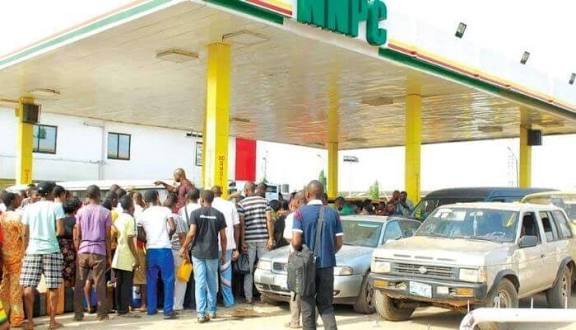

A coalition of professionals has dismissed allegations that ₦210 trillion is missing from the accounts of the Nigerian National Petroleum Company Limited (NNPCL), describing the claim as misleading and economically unrealistic. The group argued that the figure being circulated in public discourse does not reflect the financial reality of the national oil company.
The statement was issued by the Ajiyya Solidarity Forum (ASF), whose members include professionals and policy advocates. Addressing journalists, the forum’s National Coordinator, Usman Hamza, said the allegation that such an enormous sum had disappeared from NNPCL accounts was “mathematically impossible” and appeared to be politically motivated.
Origin of the N210tn Allegation
The controversy stems from claims made by Senator Aliyu Wadada, chairman of the Senate Committee on Public Accounts, who said NNPCL needed to explain discrepancies totaling about ₦210 trillion in its audited financial records covering several years.
According to the committee, the amount consists of:
- ₦103 trillion in what lawmakers described as questionable expenditures or financial movements
- ₦107 trillion in receivables reportedly owed to the company
The Senate therefore demanded explanations from the national oil firm and summoned former NNPCL executives, including former Group Chief Executive Officer Mele Kyari, to appear before the committee to clarify the figures.
The development triggered widespread public debate, with many Nigerians expressing concern over the possibility that such a massive amount of public funds could be unaccounted for.
Forum Calls the Figure “Economically Impossible”
Responding to the allegations, the Ajiyya Solidarity Forum rejected the interpretation that the figure represented missing funds.
According to Hamza, the claim fails basic economic logic. He pointed out that Nigeria’s entire national budget for 2024 was about ₦28.7 trillion, meaning the alleged missing sum would be nearly eight times the country’s annual spending.
He argued that suggesting a single government company could misplace such an amount was unrealistic and likely the result of misinterpreting financial records.
The forum explained that the Senate committee may have combined two different financial figures in a way that created the impression of missing funds.
These figures include:
- Accrued expenses, largely related to joint venture obligations in oil operations
- Receivables, which are funds owed to NNPCL by partners, banks, or other entities
According to the group, categorizing receivables as “missing money” is a misunderstanding of how corporate financial statements work.
Concerns Over Arrest Threats
The forum also criticized reports that lawmakers had threatened to issue arrest warrants against former NNPCL officials if they failed to appear before the Senate committee.
It warned that such actions could amount to political pressure rather than genuine financial oversight, arguing that complex accounting issues should be resolved through professional forensic audits rather than public accusations.
The group called on the Senate to handle the investigation with caution and to rely on independent auditors to verify the company’s financial statements.
A Broader Debate About Transparency
Despite the forum’s dismissal of the allegation, the issue has reignited longstanding concerns about transparency and accountability in Nigeria’s oil sector.
NNPCL plays a central role in Nigeria’s economy, managing the country’s oil production partnerships, revenues, and international energy transactions. Because of this strategic importance, questions about the company’s finances often generate intense public scrutiny.
The Senate investigation itself is based on audit queries covering NNPCL operations between 2017 and 2023, which lawmakers say contain discrepancies that must be clarified in the public interest.
What Happens Next
As the debate continues, the Senate Committee on Public Accounts is expected to proceed with its investigation, while current and former NNPCL officials may still be required to provide detailed explanations of the company’s financial records.
For now, the controversy highlights the complex intersection of politics, public accountability, and the management of Nigeria’s oil revenues—an issue that remains central to the country’s economic governance.
Whether the ₦210 trillion figure represents a misunderstanding of financial records or a deeper accounting problem, the unfolding inquiry is likely to remain a major topic in Nigeria’s political and economic discourse in the months ahead.