


The Federal Government has announced a nationwide rollout of 100,000 compressed natural gas conversion kits in a move aimed at easing the growing financial burden caused by rising petrol prices.
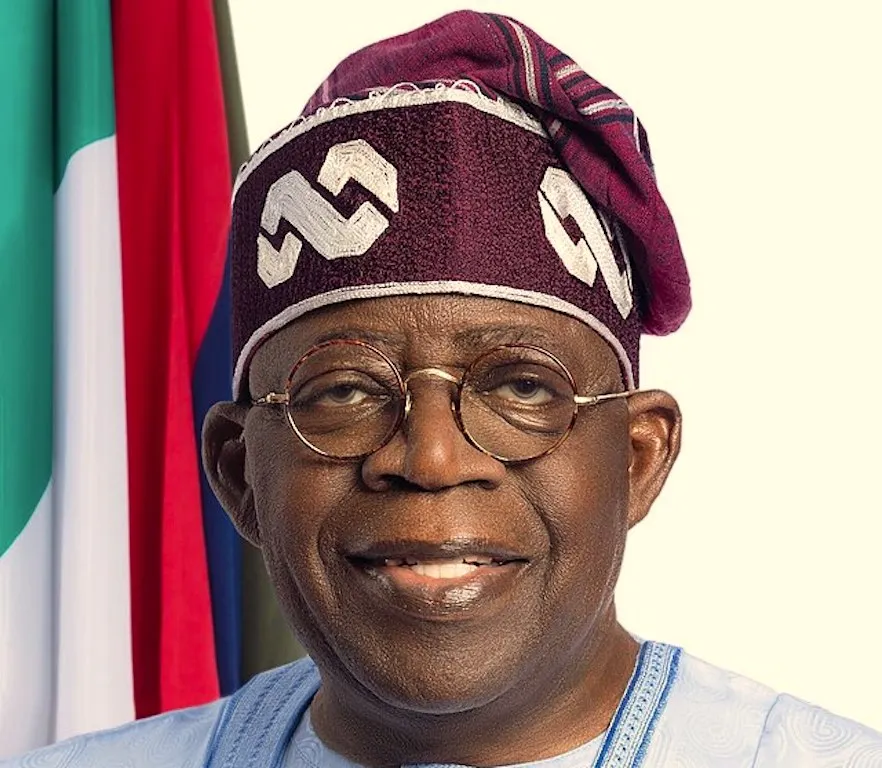
The directive was issued by President Bola Ahmed Tinubu, who instructed the Presidential Initiative on Compressed Natural Gas to begin distributing the kits across the country within the coming weeks.
Details of the programme were provided by Ismaeel Ahmed, who confirmed that the initiative will enable thousands of Nigerian motorists to convert their vehicles from petrol-powered engines to compressed natural gas systems. 
Ahmed said the first batch of approximately 100,000 kits will be deployed nationwide within two to three weeks, allowing vehicle owners, including tricycle operators and other commercial transport workers, to begin switching to gas-powered systems. 
According to him, conversion centres across the country are expected to become active as the distribution exercise begins, with technicians installing the systems that allow engines to run on compressed natural gas rather than petrol.
The policy forms part of the government’s broader strategy to reduce transportation costs and lessen the economic pressure caused by fluctuations in petrol prices.
In recent days, global oil market tensions linked to escalating conflict in the Middle East have contributed to rising fuel prices around the world. The ripple effect has been felt in Nigeria, where transportation costs have increased, and many commuters are already facing higher fares.
The introduction of compressed natural gas as an alternative fuel has therefore become a key component of Nigeria’s energy transition policy. CNG is widely regarded as a cheaper and cleaner fuel compared with petrol or diesel, making it attractive for countries seeking to reduce both fuel costs and carbon emissions.
Nigeria’s push toward gas-powered transportation accelerated after the removal of petrol subsidies in 2023. That policy significantly increased the pump price of petrol across the country, prompting the government to look for alternative solutions to cushion the economic impact on citizens.
To address the challenge, the administration of President Tinubu established the Presidential Initiative on Compressed Natural Gas. The programme was designed to expand the use of natural gas in transportation and reduce dependence on petrol.
Since the launch of the initiative, adoption of CNG vehicles has grown steadily across the country. Reports indicate that more than 100,000 vehicles and thousands of tricycles are already operating on compressed natural gas in Nigeria. 
Government officials believe the transition to gas-powered transport will significantly reduce operating costs for drivers. Lower fuel costs for transport operators could, in turn, reduce transportation fares for commuters and help ease inflationary pressure in the wider economy.
The latest directive to distribute 100,000 conversion kits is therefore intended to accelerate this transition. By enabling vehicle owners to convert their engines at scale, the government hopes to expand the number of gas-powered vehicles on Nigerian roads in a short period of time.
Nigeria possesses some of the largest natural gas reserves in the world, and policymakers have long argued that the country should make greater use of this resource domestically. For decades, however, much of Nigeria’s gas production has been exported while local transportation continued to rely almost entirely on petrol and diesel.
The current policy shift represents an attempt to reverse that trend by encouraging the domestic use of natural gas.
Officials have also indicated that the distribution of conversion kits will focus heavily on commercial transport operators such as taxi drivers, tricycle operators, and other public transport providers who consume large volumes of fuel daily.
By lowering operating costs for these operators, the government hopes to provide indirect relief for millions of Nigerians who rely on road transportation for work, trade, and daily movement.
The conversion kits allow standard internal combustion engines to operate on compressed natural gas, which is stored in high-pressure cylinders installed in vehicles. Once installed, drivers can switch from petrol to gas depending on availability.
Samuel Aina