

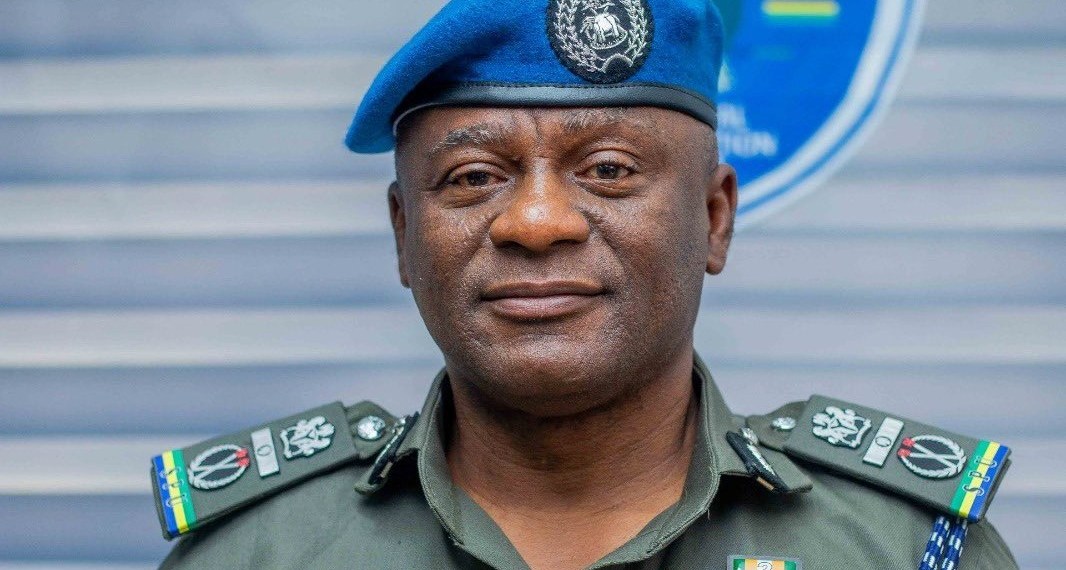

The Nigeria Police Council, chaired by President Bola Tinubu, has officially confirmed Assistant Inspector General Tunji Disu as the new substantive Inspector General of Police (IGP).
This decision came during a crucial meeting on Monday, 2nd March, 2026, solidifying Disu’s leadership role after his initial appointment as acting IGP last week. The presidential spokesperson, Bayo Onanuga, disclosed this during a briefing with journalists at the State House, emphasizing that no Senate confirmation is required, due to the existing provisions in the amended Police Act.
Disu steps into the IGP position following the resignation of his predecessor, Kayode Egbetokun, who served for three years amid growing controversies.
Egbetokun’s exit, just 48 days before his scheduled retirement, was prompted by several factors, including his resistance to the president’s push for state police creation.
Additional reasons cited included delays in withdrawing police officers from VIP personnel as directed by the president. Also, former IGP’s blacklisting by the International Press Institute (IPI) Nigeria for press freedom violations and human rights abuses under his tenure intensified the problem.
The IPI Nigeria had inscribed Egbetokun in its Book of Infamy due to repeated attacks on journalists, prompting presidential intervention that went unheeded. Sources revealed President Tinubu urged Egbetokun to resolve these issues, but remained unmoved, leading to his early resignation from office.
Disu, who has already committed to ending the “era of impunity,” now set for a formal swearing-in by the president on Wednesday, enhancing officer welfare, and bolstering training for better policing.
This confirmation aligned with the Police Act amendments passed by the National Assembly in July 2024, which grant IGPs a fixed four-year term irrespective of age or service length.
Previously, officers retired at 60 or after 35 years of service, a precedent that had driven debates over Egbetokun’s extended tenure despite reaching those limits. At 58 upon appointment, Egbetokun’s continuation was legally backed by the new law.
However, public outcries and institutional pressures have dominated his remaining extra tenure.Disu’s appointment marked a potential shift in Nigeria’s policing strategy, particularly in addressing longstanding issues like human rights and operational efficiency.
While Nigerians anticipated his vows would translate into tangible reforms, restoring public trust in the force amid ongoing national security challenges has been his major responsibility.