

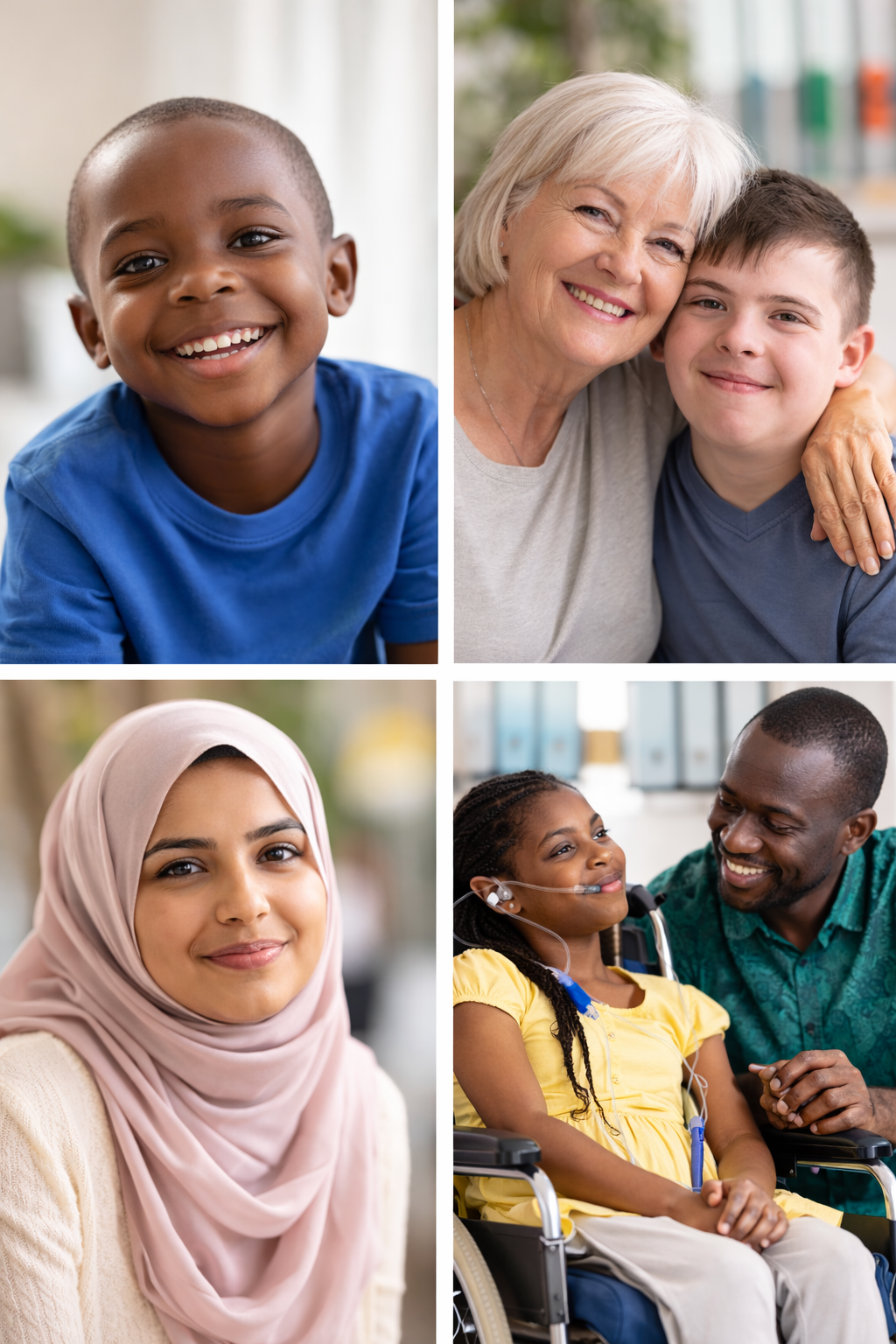

Every year on 28 February, the world comes together to recognise Rare Disease Day, a global health awareness event dedicated to the hundreds of millions of people living with rare conditions that too often go unseen and unsupported. Established in 2008 by EURORDIS – Rare Diseases Europe, this day has grown into an international movement spanning over one hundred countries and countless organisations, clinicians, researchers, caregivers, and, most importantly, patients.
The date the last day of February symbolizes rarity itself, reminding the world that though each rare disease may affect only a few individuals, collectively they represent one of the largest underserved health populations on the planet. In 2026, the theme “Moving Forward. Looking Ahead. An Event for Patients” places the lived experiences of patients at the centre of the global conversation, urging health systems, policymakers, researchers, and communities to think not only about discovery, but about meaningful progress that improves people’s lives. For Nigeria, this day offers a powerful opportunity to reflect on how rare diseases shape human experience and reveal gaps in health access, even as it connects the Nigerian voice to a global movement.
Rare Diseases: Common in Impact, Invisible in Conversation
Though the term “rare disease” might suggest exceptional or isolated cases, the reality is deeply human and widespread. There are thousands of identified rare diseases, most of them chronic, progressive, and life-long, covering a spectrum of conditions that include metabolic disorders, genetic syndromes, immunodeficiencies, neurological conditions, and many more. When rare diseases are viewed collectively, they impact hundreds of millions of people worldwide, from cities in Europe and North America to villages in Asia, Latin America, and Africa.
The vast majority of these diseases have limited or no approved treatments, meaning that patients and their families often navigate a landscape of uncertainty and unmet medical need. Many rare diseases begin early in life, a fact that adds urgency and complexity to the global effort to improve diagnosis, care, and research. While scientists around the world work to unlock the mysteries of these conditions, the everyday reality for patients from Lagos to London to Lima involves managing symptoms, seeking answers, and building resilience in the face of systemic silence.
Global Challenges, Shared Human Experiences
Across the globe, people living with rare diseases encounter similar barriers: long diagnostic odysseys, limited access to specialists, isolation, and stigma. In wealthier nations where genetic testing and specialised clinics exist, patients may still wait years, sometimes more than a decade before receiving an accurate diagnosis. In lower- and middle-income countries, including many parts of Africa, Asia, and Latin America, these challenges are compounded by gaps in health infrastructure, education, and public awareness.
In countries like Brazil, community organisations have pushed for rare disease registries and newborn screening programs to identify conditions early, enabling earlier interventions and support structures. In Canada and Australia, advocacy networks have brought rare disease considerations into national health policy, emphasising patient engagement in research and decision-making. In Japan and South Korea, advances in genomic medicine have accelerated diagnosis for some rare conditions, though access is still unequal across regions and populations. These diverse global experiences underline a shared truth: rare diseases are not only clinical phenomena, but social, economic, and cultural realities that affect families everywhere.
The Role of International Organisations and Data in Shaping Global Action
Central to the global understanding of rare diseases are international organisations that champion research, policy, and patient rights. Groups such as the International Rare Diseases Research Consortium (IRDiRC) bring together scientists, clinicians, and funders with the goal of accelerating diagnosis and therapy development. The World Health Organization (WHO) includes rare diseases in its broader Universal Health Coverage agenda, urging countries to integrate rare disease care in national health planning and to develop data systems that capture the true burden of these conditions.
The Global Genes Project and Rare Diseases International work to amplify patient voices across continents, promote global equity in research and treatment access, and provide educational resources for caregivers and healthcare professionals alike. These organisations collect and synthesise data from across the world, offering evidence that rare diseases are a significant global public health challenge, not a collection of isolated curiosities.
Lived Realities: Lessons From Diverse Countries
In the United States and parts of Europe, rare disease communities often have access to well-established patient groups, diagnostic pipelines, and, in some cases, approved therapies through orphan drug legislation designed to incentivize pharmaceutical research. Even so, patients still face high costs, fragmented care, and psychosocial burdens that national systems struggle to address. In parts of Africa, where specialised services are limited and genetic testing infrastructure is sparse, families frequently rely on local advocacy networks and non-profit organisations to connect with information and support.
In parts of Asia, traditional medical systems coexist with modern healthcare, prompting unique challenges in distinguishing rare disease presentations from cultural interpretations of illness. In Latin America, patient advocacy groups have successfully lobbied for inclusion of rare diseases in national health strategies, resulting in expanded newborn screening and better access to multidisciplinary care. These regional nuances reveal that while rare diseases are a global phenomenon, the paths toward awareness, diagnosis, and care are shaped by historical, economic, and cultural contexts.
Nigeria’s Case: A Story of Everyday Realities
In Nigeria, the conversation around rare diseases often unfolds not in national health plans or registries, but in the quiet stories of families who navigate uncertainty without clear signposts. A child with unexplained symptoms, an adult whose condition defies simple diagnosis, a caregiver who becomes an expert out of necessity, these are the human faces of rare diseases in communities where the term itself might not be widely recognised. Cultural beliefs about illness, limited access to specialists, and the absence of formal genetic services can mean that many rare conditions go undiagnosed or misunderstood. On Rare Disease Day, these stories deserve space, not just as anecdotes, but as part of a collective call for recognition, awareness, and action.
Stigma, Culture, and the Burden of Being Different
Across every continent, rare disease patients face not only medical challenges but social ones. Visible symptoms physical differences, developmental delays, or complex health needs can attract misunderstanding, fear, or exclusion. In many communities, people living with rare conditions may be labelled as “different,” “cursed,” or “burdened,” simply because their conditions do not fit common illness narratives.
This stigma affects mental health, social opportunities, education, and economic inclusion. In countries with strong community networks and social safety systems, peer support groups often provide solace and shared understanding. In places where stigma is more pronounced and resources are limited, families may internalise shame and isolation. Rare Disease Day offers an opportunity to replace fear with understanding, to challenge myths with evidence, and to build empathy across societies.
Moving Forward, Looking Ahead: A Global Call to Action
The theme of Rare Disease Day 2026 “Moving Forward. Looking Ahead. An Event for Patients” is a powerful reminder that progress must be rooted in the real lives of people affected by rare diseases. Globally, this means investing in data systems that capture rare disease prevalence, expanding access to genetic testing, and supporting research that prioritises patients’ needs. It means shaping national health policies that recognise rare diseases as part of the broader health landscape, not as outliers or afterthoughts.
It means empowering patient associations, strengthening multidisciplinary care teams, and ensuring that no one lives in the shadows of their condition. For Nigeria and countries around the world, this shared global effort is not about statistics alone it is about expanding compassion, improving quality of life, and honouring the human dignity of every individual whose journey has been shaped by a rare disease.