

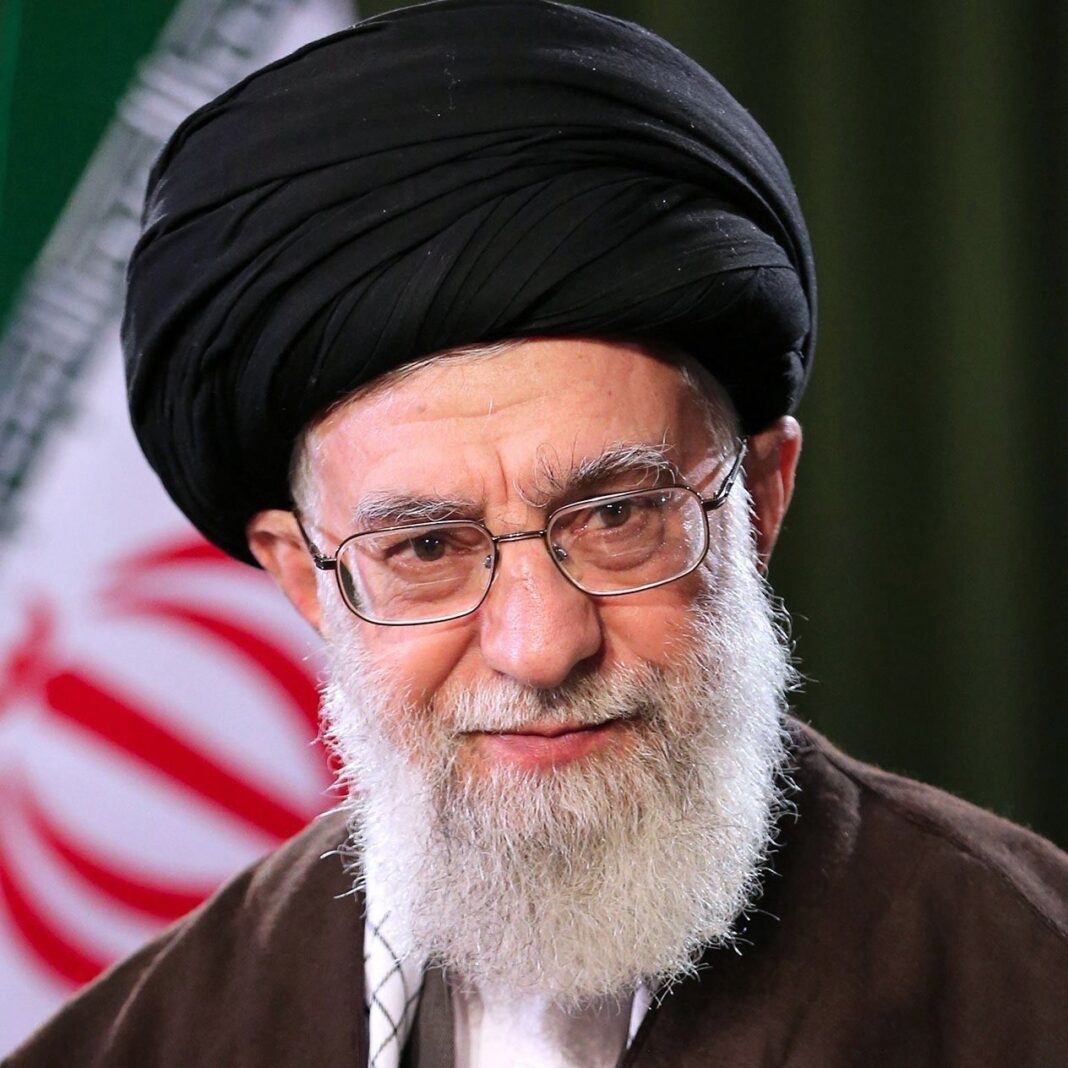

On Friday and Saturday, February 28, 2026, a major crisis erupted in the Middle East after coordinated military strikes by Israel Defense Forces and the United States Armed Forces against targets in the Islamic Republic of Iran. At the centre of the unfolding events was a dramatic statement by Benjamin Netanyahu, in which he suggested that Ali Khamenei, Iran’s Supreme Leader, may have been killed as a result of the attacks — though independent confirmation remains unavailable and Iran has not officially acknowledged his death.
The situation represents one of the most serious escalations between the world’s biggest military powers and Tehran in decades, potentially reshaping geopolitics across the region and beyond.
Netanyahu’s Statement: “Many Signs” Khamenei May Be Dead
In a televised address on Saturday evening, Mr. Netanyahu said that Israeli and U.S. forces had specifically struck the compound associated with Iran’s Supreme Leader in Tehran, destroying it during an operation that also targeted senior military and nuclear officials.
“This morning we destroyed the compound of the tyrant Ali Khamenei,” Mr. Netanyahu said, adding that there were “many signs that this tyrant is no longer,” a phrase widely interpreted as suggesting Khamenei’s death or incapacitation.
The Israeli premier did not provide independent evidence of Khamenei’s death, and subsequent public statements by Iranian officials contradicted the claim. Iran’s Foreign Minister told international media that both Khamenei and President Masoud Pezeshkian were alive “as far as I know,” though details remain sparse.
Operation Epic Fury: US-Israel Strikes on Iran
The wave of military action that prompted the statement by Mr. Netanyahu began earlier in the day, as U.S. and Israeli forces launched what was described as a large-scale coordinated offensive against multiple targets in Iran, including air defences, strategic military infrastructure and locations tied to Iran’s nuclear programme.
Israeli officials claimed the operation eliminated not only Khamenei’s compound but also senior commanders of the Islamic Revolutionary Guard Corps and key figures involved in Tehran’s nuclear efforts.
The campaign, reportedly dubbed “Operation Epic Fury,” came amid months of rising tensions between Tehran, Washington and Tel Aviv, with both the U.S. and Israel citing concerns over Tehran’s rapid missile developments, regional influence and nuclear ambitions.
Contradictions and Uncertainty
Despite the forceful claim from Israel, the precise fate of Ayatollah Khamenei remains unclear. Independent verification has been limited, and Iranian state media has not provided concrete confirmation or denial.
Earlier reports from Iranian authorities suggested that the Supreme Leader had been moved to a secure location, adding to the ambiguity surrounding the situation. As of late Saturday, official channels in Tehran had neither confirmed his death nor released public photographs or statements about his status.
Immediate Regional Fallout
The response from Tehran was swift and violent. Iranian forces reportedly retaliated with missile and drone strikes against Israeli territory and U.S. military installations in the region, with explosions reported in multiple countries across the Gulf — including Bahrain, Iraq, Syria, the UAE, Kuwait and Saudi Arabia.
The escalation propelled phone calls and diplomatic contacts worldwide as global leaders sought to prevent a broader conflict. The United Nations Security Council convened an emergency session, with urgent appeals for de-escalation and restraint from major capitals.
International and Economic Implications
Beyond the immediate human cost and political ramifications, the conflict threatens significant economic disruption. Iran’s position near the Strait of Hormuz, a critical global oil transit route, means any prolonged instability could affect global energy markets, driving crude prices higher and fueling economic uncertainty across import-dependent nations.
Analysts are warning that, depending on the duration and breadth of the conflict, wider impacts on global trade, investment flows and regional security alignments could follow.
What Comes Next
As of late February 28, it remains a fluid and highly unsettled situation:
- Iran has not issued authoritative confirmation about the status of its Supreme Leader.
- U.S. and Israeli forces have indicated further action against Iranian military and nuclear assets.
- Regional powers are on high alert, with concerns about spill-over conflicts.
- International diplomatic efforts are underway to prevent a wider war.
The ambiguity over Ayatollah Khamenei’s fate — based on Mr. Netanyahu’s statement of “many signs” but lacking independent verification — adds a layer of unpredictability to an already volatile crisis.
In the coming days and weeks, updates from Tehran, Washington and global diplomatic channels are expected to further shape how this profound escalation unfolds.