

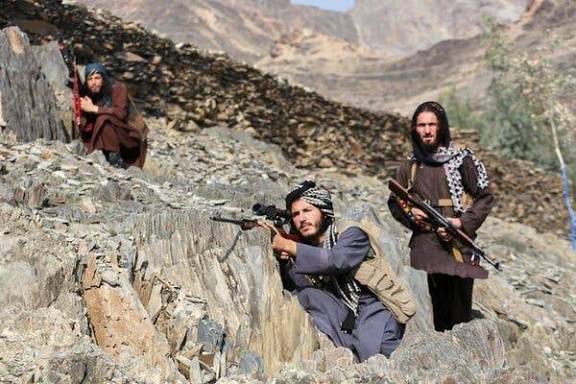

Pakistan declared “open war” on Afghanistan on Friday after the two neighbours exchanged overnight strikes, sharply escalating their long-running border conflict.
Both sides reported heavy losses, though claims could not be independently verified. The violence risks further destabilising the region, where groups such as the Islamic State and Al Qaeda are seeking to regroup.
Tensions have simmered for months along the 1,600-mile frontier despite a Qatar-mediated ceasefire reached in October. Pakistan, facing a rise in militant attacks since the 2021 U.S. withdrawal from Afghanistan, accuses the Taliban of sheltering fighters — an allegation the Taliban denies.
The latest clashes began Thursday night when Taliban forces launched what they called retaliatory attacks on military sites in northwest Pakistan. Residents reported heavy fighting and cross-border shelling, forcing families to flee.
Hours later, Pakistan said it struck targets in Kabul and the provinces of Kandahar and Paktia in response to what it described as “unprovoked Afghan attacks.” The Taliban said its actions were retaliation for Pakistani strikes on Afghan border areas earlier in the week, which Pakistan said killed militants but Kabul said killed civilians.
Pakistan’s Defence Minister Khawaja Asif accused the Taliban of turning Afghanistan into a “proxy for India” and exporting militancy. “Our cup of patience has overflowed,” he wrote on X. “Now it is open war between us and you.”
Both governments issued sharply conflicting casualty figures and battlefield claims.
U.N. Secretary-General António Guterres urged both sides to protect civilians and resolve differences through diplomacy. Former U.S. envoy Zalmay Khalilzad also called for restraint, warning that innocent lives were at risk.
Analysts say the escalation marks dangerous new territory, with Pakistan broadening its targets beyond border zones. Rising tensions could embolden militant groups and deepen instability across South Asia, with potential global security implications.