

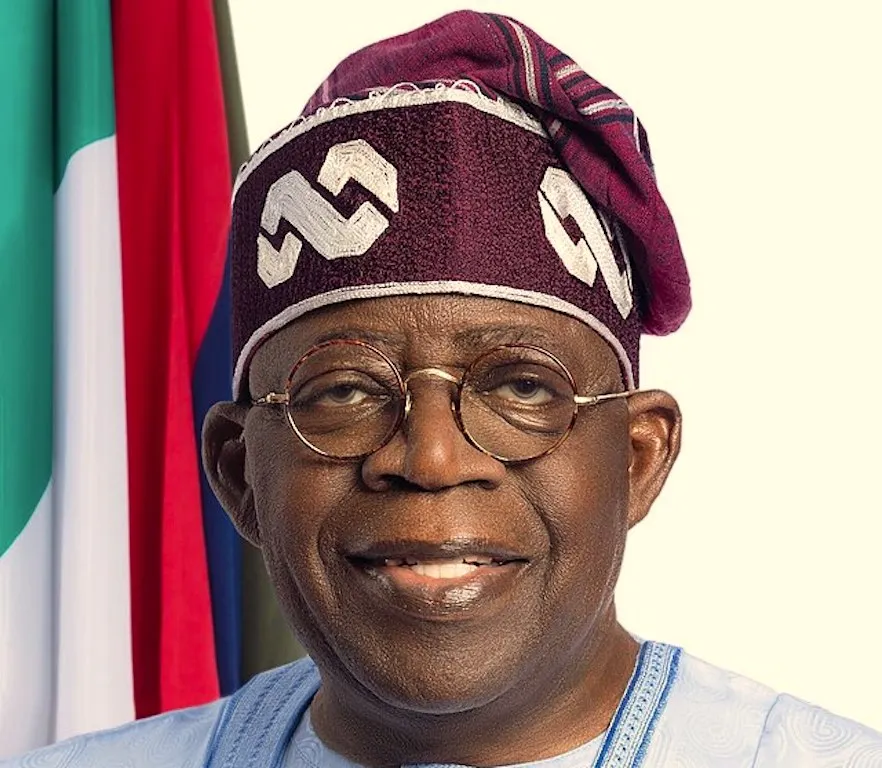

President Bola Ahmed Tinubu’s recent executive order directing that major oil and gas revenues be remitted directly into the Federation Account could lead to an additional N14.57 trillion available for the federal government, state governments and local councils, according to an independent analysis of 2025 revenue inflows.
For many decades, Nigeria has relied heavily on oil and gas receipts as the backbone of national revenue. Since the advent of the Petroleum Industry Act of 2021, substantial portions of oil proceeds have been diverted into statutory funds and retention mechanisms outside the Federation Account. Under the PIA framework, the Nigerian National Petroleum Company Limited was authorised to retain a 30 per cent management fee on profit oil and profit gas and a separate 30 per cent frontier exploration fund to finance hydrocarbon exploration in frontier basins. This arrangement meant that only 40 per cent of revenue from production sharing contracts flowed into the Federation Account from which allocations to the three tiers of government are drawn.
The executive order signed by President Tinubu took effect on the 13th of February, 2026, and mandates that royalty oil, tax oil, profit oil, profit gas, gas flare penalties, and all other revenues due under production sharing, profit sharing, and risk service contracts be paid directly into the Federation Account. It also removes the authority of the Nigeria Revenue Service to collect Petroleum Profits Tax and Hydrocarbon Tax in favour of direct remittance, and effectively disbands the 30 per cent allocations previously set aside for the frontier exploration fund and profit oil management fees.
Government analysts project that if fully implemented, the new arrangement could yield an additional N14.57 trillion in revenue for the federation in the coming fiscal cycles. This estimate draws on monthly earnings data reported by the Federation Accounts Allocation Committee for 2025, showing that oil royalties alone totalled around N7.55 trillion while gas flaring penalties added N611.42 billion. Under the new framework, nearly all such revenues will be captured in the Federation Account and shared among all levels of government according to constitutional formulas.
The directive is rooted in Section 5 of the Constitution of the Federal Republic of Nigeria (as amended), reinforced by Section 44(3), which vests ownership and control of mineral resources, including petroleum and natural gas, in the Federal Government. President Tinubu said the changes were necessary to end “excessive deductions overlapping funds and structural distortions” that had weakened remittances to the central account and undermined development outcomes in communities across the country. The reforms are part of an administration strategy to strengthen fiscal discipline, support national security funding, expand healthcare and education services, stabilise the economy, and advance an energy transition agenda.
The executive order has attracted both praise and criticism. Supporters such as the Capital Market Academics of Nigeria called the policy bold and historic for correcting what they described as a fiscal imbalance created by the PIA and for ensuring all tiers of government benefit more equitably from Nigeria’s oil and gas wealth. They also urged including the Chairman of the Revenue Mobilisation Allocation and Fiscal Commission in oversightto ensure accountability and transparency in implementation.
However, some stakeholders have raised concerns. The Petroleum and Natural Gas Senior Staff Association of Nigeria (PENGASSAN) has condemned the executive order, warning that it could undermine key provisions of the Petroleum Industry Act and destabilise the operational framework of the oil and gas sector. The union argued that altering established revenue retention mechanisms through executive action rather than legislative amendment may create uncertainty for investors and threaten long term industry stability.
In recent times, Nigeria’s subnational governments have been pressing for greater financial autonomy, particularly for local councils. Following a 2024 Supreme Court ruling affirming direct funding for local governments, President Tinubu had previously indicated that an executive order might be required to ensure compliance with this judgment. Local government associations have supported efforts to secure direct allocations from the Federation Account as a means to strengthen service delivery and governance at the grassroots.
Historically Nigeria’s allocation to states and local councils has fluctuated widely. In 2024, the Federation Accounts Allocation Committee disbursed over N15.26 trillion to the three tiers of government, marking a significant increase compared with previous years, but disparities between states persisted, with wealthier regions receiving much larger shares.
Samuel Aina