

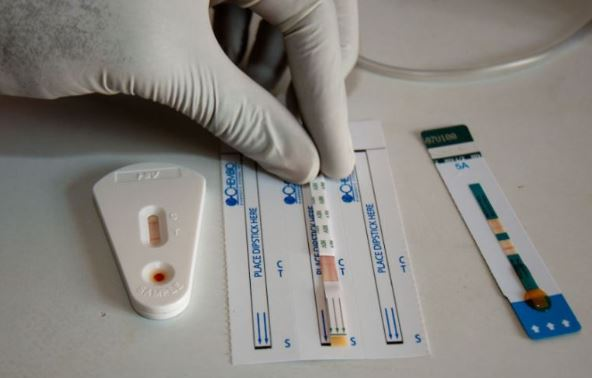

Kenya is set to roll out a new HIV-prevention drug, lenacapavir, from March across 15 priority counties, in what the Ministry of Health has described as a major milestone in the country’s efforts to curb new infections. Announcing the plan on Wednesday, the government said the introduction of lenacapavir marks a significant expansion of Kenya’s HIV-prevention strategy, particularly for populations at higher risk of infection.
Lenacapavir is administered just twice a year and, according to results from large-scale clinical trials, has been shown to reduce the risk of HIV transmission by more than 99.9 per cent. Health officials have, however, been careful to clarify that the drug is not a vaccine, as it does not stimulate or train the immune system, but rather works as a long-acting antiretroviral agent that blocks the virus’s ability to replicate in the body.
Lenacapavir has attracted global attention because of its potential to transform HIV prevention, especially in regions with high infection rates and challenges around adherence to daily medication. Unlike daily oral pre-exposure prophylaxis, commonly known as PrEP, which requires consistent daily use to remain effective, lenacapavir’s six-monthly dosing significantly reduces the burden on users and health systems.
Public health experts say this long-acting approach could help overcome barriers such as stigma, forgetfulness, limited access to healthcare facilities, and supply disruptions that have undermined the effectiveness of daily prevention options. According to data from UNAIDS, eastern and southern Africa remain the epicentre of the global HIV epidemic, accounting for about 52 per cent of the world’s estimated 40.8 million people living with HIV as of 2024. The World Health Organisation has also consistently highlighted the need for innovative prevention tools in the region, noting that long-acting medicines could play a critical role in reducing new infections.
Kenya is among nine African countries selected to introduce lenacapavir following successful trial results and global health consultations, with rollout already underway in South Africa, Eswatini, and Zambia since December. Kenyan health authorities confirmed that the country received its first consignment of 21,000 doses on Tuesday through a partnership involving the drug’s manufacturer, Gilead Sciences, and the Global Fund to Fight AIDS, Tuberculosis and Malaria.
Speaking in a statement, Health Cabinet Secretary Aden Duale said the initial phase of implementation would begin in early March and focus on 15 counties identified as priority areas based on infection rates and vulnerability profiles. “The first phase of implementation will begin early March, covering 15 counties,” he said, adding that the government expects an additional 12,000 continuation doses by April to sustain the programme.
The health minister further disclosed that the United States government has committed to supplying Kenya with an additional 25,000 doses of lenacapavir as part of broader support for the country’s HIV response. Kenya has an estimated national HIV prevalence of about 3.7 per cent, according to official figures, translating into more than 1.4 million people living with the virus.
While the country has made significant progress over the past decade in reducing new infections and expanding access to treatment, health officials acknowledge that prevention remains a critical challenge, particularly among young people, key populations, and in certain high-burden regions. The introduction of lenacapavir is therefore being positioned as a complementary tool alongside existing prevention methods, including condoms, testing and counselling, voluntary medical male circumcision, and daily oral PrEP.
The rollout comes at a time of heightened uncertainty for HIV programmes across Africa following cuts to international aid under the administration of Donald Trump, which have affected funding for health initiatives on the continent. Several African countries have reported disruptions to HIV, tuberculosis, and malaria programmes as donor funding was reduced or restructured, placing additional pressure on already stretched national health systems. Kenya, which has long been one of the largest recipients of US health assistance, has sought to cushion itself against these shocks through closer bilateral arrangements and increased domestic financing.
In December, Kenya signed a $2.5 billion bilateral health aid agreement with the United States, the first such deal following the dismantling of the USAID agency and the sidelining of several non-governmental organisations under the Trump administration. Under the agreement, the US is expected to provide $1.6 billion over five years to support Kenya’s health sector, with a focus on combating HIV/AIDS and malaria and preventing polio, while Kenya is required to contribute an additional $850 million and gradually assume greater responsibility for funding and programme management. Government officials have argued that the deal offers a more predictable framework for sustaining critical health interventions, including the rollout of new technologies such as lenacapavir.
However, the agreement has also sparked legal and political controversy at home. A Kenyan senator has filed a court challenge against the deal, alleging multiple constitutional violations and questioning the process through which it was negotiated and approved.
The case has introduced an additional layer of uncertainty over the long-term financing of health programmes, even as the government moves ahead with implementing new initiatives. Analysts say the outcome of the legal challenge could have implications for how Kenya funds and governs its health sector in the coming years.
Against this backdrop, public health experts view the introduction of lenacapavir as both an opportunity and a test. If successfully implemented and sustained, the drug could significantly reduce new HIV infections in Kenya and strengthen the country’s overall response to the epidemic.
At the same time, the rollout will depend on stable funding, effective distribution, community acceptance, and continued political commitment amid shifting donor priorities. As Kenya prepares to begin administering the twice-yearly injections in March, the programme is being closely watched as a potential model for how innovative HIV-prevention tools can be deployed in high-burden settings despite global funding uncertainties.