

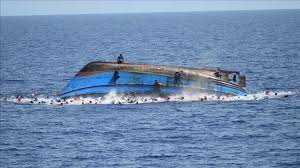

At least 21 people have died after a passenger boat capsized in River Nile state, northern Sudan, in what local medical sources have described as a devastating accident. The boat, which was traveling between the villages of Tayba al-Khawad and Deim al-Qarai, was carrying nearly 30 passengers, including women, elderly people, and children, according to the Sudan Doctors Network.
Dr. Mohamed Faisal Hassan, spokesperson for the network, told the BBC, “Rescue teams are continuing with their work since there could be more bodies,” emphasizing the urgency of the ongoing search. Authorities in River Nile state confirmed on Thursday that 21 bodies had been recovered, AFP reported, while eyewitnesses said that high waves in the Shendi area on Wednesday evening caused the vessel to capsize. The medical group reported that six people survived the incident and called on authorities to deploy specialized rescue teams and equipment to accelerate search efforts, warning that immediate safety measures were essential to prevent future tragedies.
The circumstances surrounding the tragedy highlight the persistent risks of river transport in Sudan, where traditional boats are frequently used to navigate the Nile due to a scarcity of bridges, particularly in rural regions. Dr. Hassan warned that weak regulation of river transport may have contributed to the disaster, noting, “This painful humanitarian tragedy once again reveals the fragility of river transport and the absence of basic safety requirements.”
Many of the boats operating along the Nile are privately owned, and regulatory oversight is limited, leaving passengers vulnerable to accidents caused by overloading, poor maintenance, and sudden weather changes. River transport accidents are not uncommon in Sudan and neighboring Nile countries, where communities have historically relied on these vessels to traverse the river, exposing residents to similar hazards. Past incidents have shown that overcrowding, inadequate safety equipment, and unregulated operations are frequent causes of fatalities, underscoring the need for stricter enforcement of maritime safety standards.
The broader context of Sudan’s ongoing conflict exacerbates the challenges of emergency response and infrastructure management, even in regions such as River Nile State that have largely been spared frontline fighting. Since April 2023, clashes between the Sudanese army and the paramilitary Rapid Support Forces (RSF) have devastated much of the country, including the capital, Khartoum, and regions such as Darfur, displacing millions and severely crippling basic services. While River Nile State has avoided direct hostilities, the wider instability has strained resources and limited the government’s capacity to implement consistent regulatory oversight or provide rapid emergency response, factors that may have influenced both the likelihood of the accident and the speed of rescue operations.
Eyewitness accounts provide a stark view of the disaster, with villagers reporting that high waves on the river overwhelmed the vessel late on Wednesday evening. Rescue teams, including local authorities and medical volunteers, have been combing the river and surrounding banks in hopes of recovering additional victims.
The Sudan Doctors Network has urged authorities to prioritize river safety, emphasizing that better training, regulation, and emergency preparedness are urgently needed to prevent similar tragedies. “Take immediate measures to ensure river transport safety and prevent the recurrence of such disasters that claim innocent lives,” the group said in a statement, highlighting the recurring nature of such accidents across the country.
Historically, Sudan has experienced multiple fatal accidents involving passenger boats, often caused by similar factors: overcrowding, mechanical failure, poor weather conditions, and insufficient oversight. For example, in 2014, a ferry carrying passengers across the Nile capsized in northern Sudan, resulting in more than 30 deaths, with reports pointing to overloading and lack of life jackets as key contributors.
Such incidents underscore the fragility of river transport infrastructure in Sudan and the critical importance of regulatory enforcement and safety awareness. Traditional boats remain a lifeline for communities in rural and remote areas, but they also pose significant hazards without proper safety protocols.
The humanitarian impact of the latest tragedy is compounded by Sudan’s broader social and economic challenges. The ongoing conflict has left many regions with limited access to healthcare and emergency services, making response and recovery operations more difficult. The River Nile boat sinking not only claims lives but also highlights the vulnerability of civilians relying on basic transportation networks amid political instability.
Medical groups, local leaders, and humanitarian organizations have repeatedly stressed the need for investment in safer infrastructure, including more bridges, regulated ferry services, and mandatory safety equipment, to reduce the human toll of river accidents.
Authorities in River Nile State have yet to issue a comprehensive statement detailing the causes of the incident or measures to prevent future occurrences. While rescue efforts continue, questions remain about the enforcement of safety regulations and whether private boat operators are held accountable for following established protocols.
Dr. Hassan’s warnings reflect a broader concern among Sudanese communities that systemic oversight failures and weak enforcement contribute to preventable loss of life. The tragedy has reignited debate over the government’s responsibility to protect citizens using traditional river transport and to ensure that regulatory frameworks are properly implemented, even amid the country’s ongoing instability.
The composition of the passengers also underscores the humanitarian dimension of the incident, as children, elderly individuals, and women were among those aboard the vessel. The presence of vulnerable populations highlights the importance of safety measures, including life jackets, passenger limits, and well-maintained vessels, all of which are frequently absent in rural river transport operations.
The Sudan Doctors Network emphasized that the disaster was avoidable and called for authorities to prioritize systematic reforms: “This painful humanitarian tragedy once again reveals the fragility of river transport and the absence of basic safety requirements.” These statements reinforce longstanding concerns about river travel safety across the Nile and similar waterways.
As rescue teams continue their work along the banks of the Nile, the Sudan Doctors Network and local authorities face the urgent task of accounting for all passengers and preventing similar tragedies in the future. With 21 confirmed deaths and six survivors reported so far, the human cost of the accident is already stark, and officials are being urged to implement stricter safety measures, improve regulatory oversight, and ensure that river transport infrastructure meets minimum safety standards.
Dr. Hassan concluded with a sobering warning: weak regulation, poorly maintained boats, and insufficient emergency response will continue to claim lives unless systemic reforms are enacted. The incident serves as a tragic reminder of both the fragility of Sudan’s transportation networks and the broader consequences of conflict and underinvestment on civilian safety.