

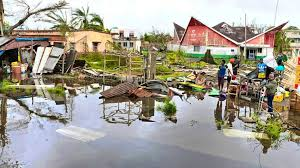

At least 31 people have died after Cyclone Gezani slammed into Madagascar, leaving the island nation reeling from one of its deadliest storms this year. The powerful cyclone made landfall on Tuesday, striking Toamasina, the country’s main port city, with winds and torrential rains that reduced entire neighbourhoods to rubble.
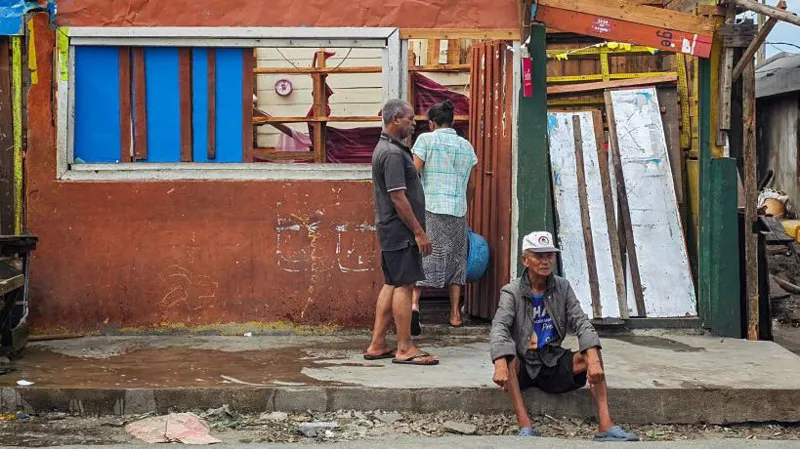
According to Madagascar’s disaster management office, houses collapsed in the impact zone, power lines snapped plunging communities into darkness, trees were uprooted, and roofs were ripped from buildings, leaving residents stranded and exposed to the storm’s relentless force. Officials described the situation as “total chaos,” with emergency teams scrambling to locate survivors amid widespread destruction.
Madagascar’s military leader, Colonel Michael Randrianirina, who seized power in October, gave a stark assessment of the damage, telling the AFP news agency that “nearly 75% of the city of Toamasina was destroyed.” His comments underscored the magnitude of the disaster in a city that serves as a vital economic and transport hub for the country.
The devastation comes just ten days after Cyclone Fytia killed 14 people and displaced more than 31,000, according to the United Nations’ humanitarian office, highlighting the island’s vulnerability to successive storms during the Indian Ocean cyclone season. Local authorities had made efforts to mitigate the impact of Gezani, closing schools and preparing emergency shelters in anticipation of the cyclone’s arrival, but the scale of the storm overwhelmed many of these measures.
As of Wednesday morning, Madagascar’s meteorological service reported that Cyclone Gezani had weakened to a moderate tropical storm and moved inland, approximately 100 kilometers north of the capital, Antananarivo. The storm was crossing the central highlands from east to west and was expected to exit into the Mozambique Channel later in the day.
While the weakening of the storm may bring some relief to inland communities, the damage in coastal areas, particularly in Toamasina, remains severe. The meteorological service reminded residents that flooding, landslides, and secondary damage could continue even as wind speeds decreased, urging continued vigilance and cooperation with rescue operations.
Source: AFP via Getty Images
Madagascar sits in one of the world’s most cyclone-prone regions, with the Indian Ocean cyclone season typically lasting from November to April and producing around a dozen storms annually, according to AFP reports. The country’s combination of low-lying coastal communities, fragile infrastructure, and high levels of poverty makes it particularly susceptible to extreme weather events.
In recent years, successive cyclones and tropical storms have caused extensive human and economic losses, displacing tens of thousands of people and destroying homes, crops, and public facilities. The impact of Cyclone Gezani, coming so soon after Fytia, underscores the cumulative vulnerability of the nation and the urgent need for robust disaster preparedness and international aid.
Madagascar has a long history of being hit by devastating cyclones and extreme weather events, making disasters like Gezani tragically familiar. In recent years, the country has experienced several deadly storms: Cyclone Enawo in 2017 killed at least 80 people and caused widespread flooding, while Cyclone Ava in 2018 claimed more than 50 lives and displaced tens of thousands.
Combined with recurrent flooding, landslides, and the persistent droughts in southern regions, these natural disasters have repeatedly strained the nation’s infrastructure and humanitarian resources. Experts say Madagascar’s location in the southwest Indian Ocean exposes it to frequent and severe cyclones during the November-to-April season, which typically brings around a dozen storms annually, according to AFP reports.
The Benin-like vulnerability of Madagascar to climate-driven hazards is compounded by the fragility of its infrastructure and high levels of poverty. Low-lying coastal communities, including large portions of Toamasina, are particularly at risk, and repeated cyclones exacerbate the destruction of homes, roads, and public facilities.
The consecutive strikes of Cyclone Fytia and Cyclone Gezani illustrate the cumulative toll that frequent storms take on residents, many of whom are still recovering from prior disasters. Humanitarian agencies have repeatedly emphasized the need for stronger early warning systems, robust evacuation planning, and investment in resilient infrastructure to mitigate such recurring losses.
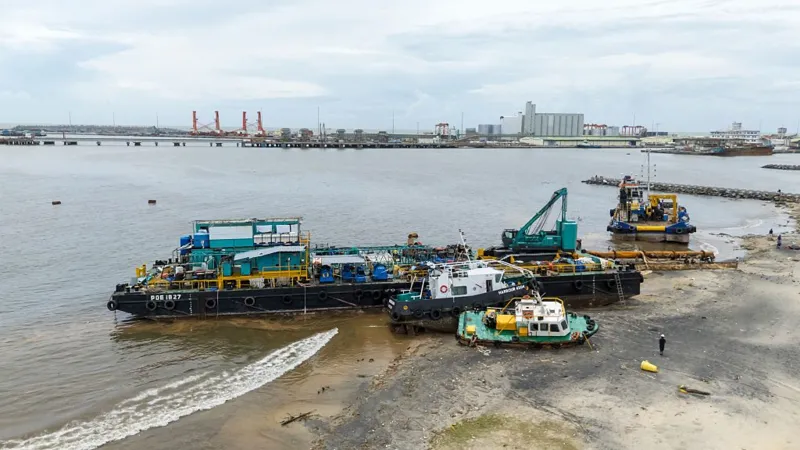
Some boats were left grounded after the storm
Source: AFP via Getty Images
Rescue and relief efforts are now underway, with teams working to reach isolated communities and provide urgent medical assistance, food, and shelter. The government and humanitarian organizations are coordinating to assess the full extent of the damage and ensure that affected populations receive immediate support.
The humanitarian impact of Cyclone Gezani is expected to be significant, as displaced families face not only the destruction of their homes but also disruption to livelihoods, clean water access, and healthcare services.
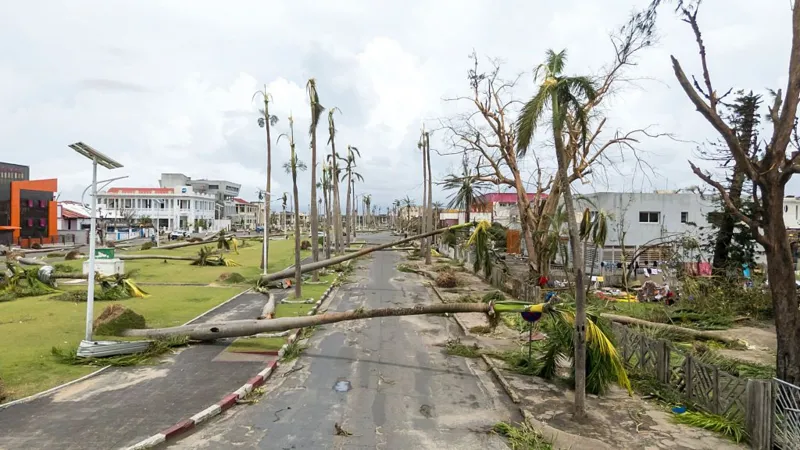
Trees were uprooted and some districts left without power
Source: AFP via Getty Images
International agencies, including the UN, are monitoring the situation closely and are prepared to provide additional assistance if requested. As Madagascar begins the long process of recovery, the scale of Cyclone Gezani’s destruction serves as a stark reminder of the persistent threat posed by climate-driven extreme weather events in vulnerable regions of the Indian Ocean.