

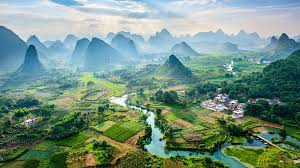

There is a quiet magic in places the world has not over-photographed. Beyond the postcard capitals and overcrowded landmarks lies a different kind of travel experience — one shaped by authenticity, unhurried conversations with locals, streets that still belong to residents, and landscapes that feel personal rather than performed for visitors. These are the destinations where culture breathes naturally, where food tastes like heritage, and where history is told not through souvenir shops but through everyday life. In an era when many famous cities groan under the weight of mass tourism, the true traveller’s joy often comes from turning away from the obvious and stepping into the overlooked. Across continents, there are cities and regions quietly offering everything travellers seek beauty, depth, flavour, and stories without the crowds.
From Africa’s highland kingdoms to Asia’s ancient trading ports, from Europe’s baroque towns to South America’s colourful colonial streets and Oceania’s coastal hideaways, these hidden gems promise experiences that feel intimate and unforgettable. They are places you may not have seen trending on social media, yet once visited, they linger in memory far longer than the world’s most famous landmarks.
Lalibela, Ethiopia (Africa)
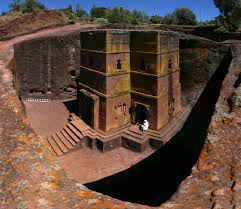
Tucked into the rugged highlands of northern Ethiopia, Lalibela feels less like a city and more like a spiritual secret carved into stone. What makes Lalibela extraordinary is its cluster of monolithic churches hewn directly from solid rock in the 12th and 13th centuries, connected by tunnels and trenches that form a sacred labyrinth. Visiting these churches is not simply sightseeing; it is witnessing faith, history, and architecture intertwined in a way found nowhere else on Earth. Pilgrims in white robes move quietly through passageways as priests chant ancient hymns, creating an atmosphere that is both haunting and beautiful.
Despite its historical and religious significance, Lalibela remains underrated largely because it is remote and less accessible than many African tourist hubs. Yet those who make the journey are rewarded with raw authenticity and breathtaking mountain scenery. The best time to visit is between October and March when the weather is cooler and the skies are clear, allowing for comfortable exploration of the highlands and the churches.
Luang Prabang, Laos (Asia)
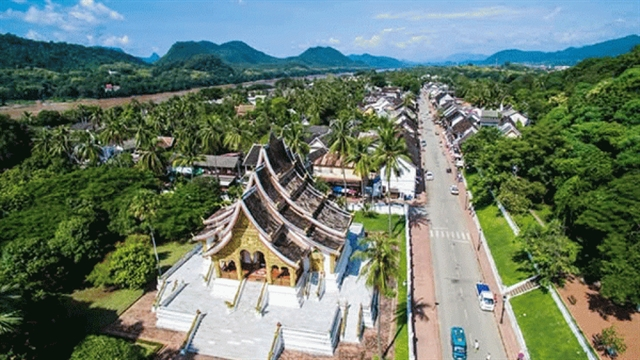
Nestled at the confluence of the Mekong and Nam Khan rivers, Luang Prabang is a serene blend of Buddhist spirituality and French colonial charm. Golden temples glisten under soft morning light while saffron-robed monks walk silently through the streets collecting alms at dawn. The town’s slow rhythm invites visitors to pause, reflect, and absorb its beauty without rush. Waterfalls like Kuang Si, with turquoise pools cascading through lush forest, add a natural wonder that feels almost unreal.
Luang Prabang remains underrated because it is overshadowed by louder Asian destinations like Bangkok or Bali. Yet its peaceful streets, exquisite Laotian cuisine, night markets, and sacred atmosphere create a deeply immersive experience. November to February offers the most pleasant weather, making it the ideal time to wander its temple-lined roads and riverbanks.
Kotor, Montenegro (Europe)
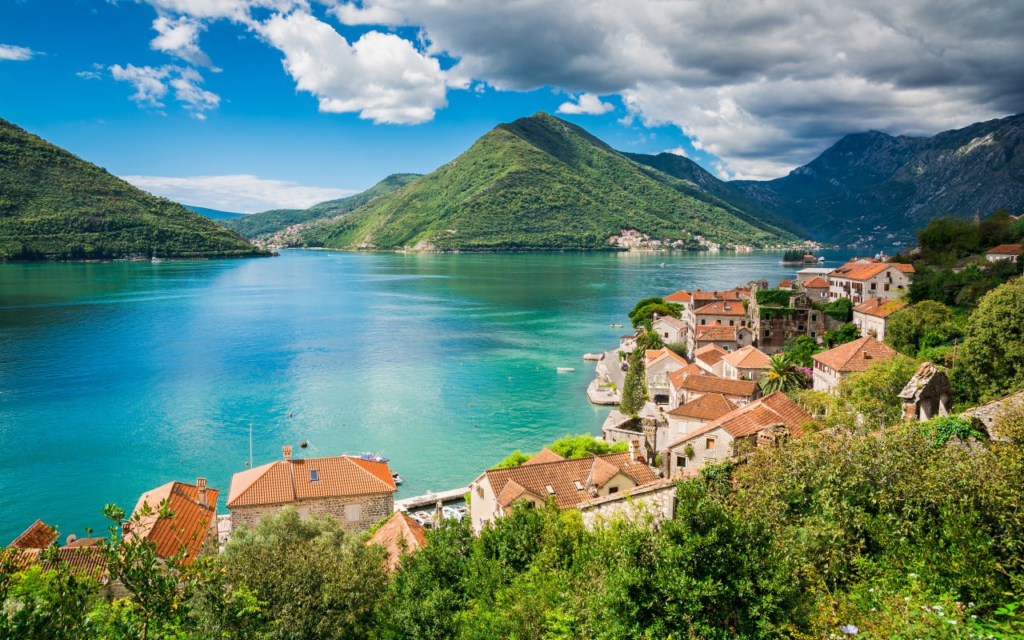
Hidden along the Adriatic coast and enclosed by dramatic limestone mountains, Kotor is a medieval marvel often overlooked in favour of cities like Venice or Dubrovnik. Its old town is a maze of cobbled alleys, ancient churches, and stone houses framed by towering fortifications that climb the mountainside. The Bay of Kotor, often mistaken for a fjord, provides breathtaking scenery where sea meets cliff in dramatic harmony.
Kotor’s charm lies in its compact beauty and tranquil pace, yet it remains underrated because Montenegro itself is still emerging on the mainstream travel map. Visitors can hike the fortress for panoramic views, explore centuries-old architecture, and enjoy fresh seafood by the water. The best time to visit is late spring or early autumn when the weather is warm and the summer cruise crowds are thinner.
Salento, Colombia (South America)
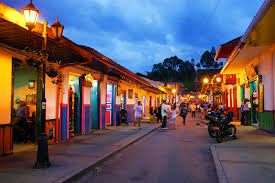
Perched in Colombia’s coffee region, Salento is a colourful colonial town surrounded by rolling green hills and towering wax palm trees — the tallest palms in the world. Its streets are painted in bright hues, its balconies overflow with flowers, and the aroma of freshly brewed coffee fills the air. Nearby, the Cocora Valley offers surreal hiking trails through misty landscapes that feel like scenes from a fantasy film.
Salento remains underrated because many travellers focus on Bogotá or Cartagena, missing this rural treasure. Yet for those seeking nature, culture, and some of the best coffee experiences on the planet, Salento is a dream. The dry seasons from December to March and July to August are the best times to visit for clear hiking conditions.
Napier, New Zealand (Oceania)
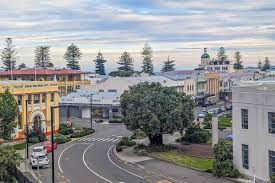
On the eastern coast of New Zealand’s North Island lies Napier, a seaside town rebuilt in striking Art Deco style after a devastating earthquake in 1931. Today, it stands as one of the world’s best-preserved Art Deco cities, with pastel buildings, geometric designs, and vintage charm that transports visitors to another era. Beyond its architecture, Napier is surrounded by vineyards, coastal cycling trails, and stunning ocean views.
Napier is often overshadowed by destinations like Queenstown or Auckland, yet it offers a relaxed coastal elegance combined with rich history and excellent wine. February to April, during late summer and early autumn, is the perfect time to enjoy warm weather and vineyard tours.
Chefchaouen, Morocco (Africa)
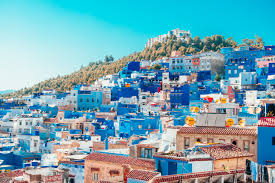
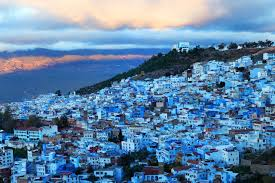
Known as the “Blue Pearl,” Chefchaouen sits quietly in Morocco’s Rif Mountains, its buildings painted in calming shades of blue that create a dreamlike atmosphere. Walking through its narrow streets feels like stepping into a living painting. The town offers stunning mountain hikes, traditional Moroccan markets, and peaceful plazas where time seems to slow down.
Chefchaouen remains underrated compared to Marrakech or Casablanca, yet its visual beauty and tranquility make it unforgettable. Spring and autumn are the best seasons to visit when temperatures are mild and perfect for exploring both town and surrounding nature.
The world is far too vast and too beautiful to be experienced only through its most famous cities. True discovery often lies in the overlooked corners where stories unfold quietly, where landscapes remain unspoiled, and where cultures reveal themselves without performance. Choosing these hidden gems over crowded hotspots transforms travel from tourism into exploration. On your next journey, consider stepping off the beaten path. You may find that the places you had never heard of become the ones you never forget.