

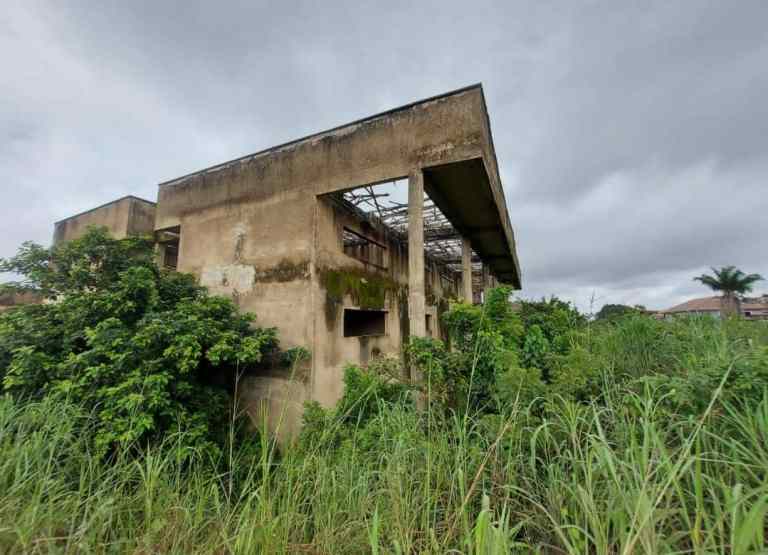

A recent report by a Nigeria civil society organisation, Tracka of BudGit platform, has exposed massive fraud in Nigeria’s 2024 federal budget projects, with Imo and Lagos states leading in irregularities.
From the total projects, 1,438 were completed, 660 remain ongoing, 471 were not completed, 99 were abandoned, and 92 were fraudulently delivered.
BudGiT emphasised that practices such as diversion of funds, relocation to undisclosed sites, payments for projects already completed in past budget cycles, partial delivery, and substandard execution, were characterised by the fraudulent projects.
The analysis of 2,760 capital projects across 30 states, tied to the ₦10.8 trillion capital budget, identified 92 fraudulently delivered projects worth ₦15.07 billion total, of which the top five states accounted for ₦8.61 billion.
Imo State topped the list with a 17.43% fraud rate, flagging 19 out of 109 tracked projects valued at ₦5.70 billion. Lagos followed at 12.73% with 14 fraudulent cases from 110 projects, despite its strong fiscal position. Kwara (11.76%, 12/102 projects), Abia (10.67%, 8/75 projects), and Ogun (8.33%) made up the rest, together representing 57.1% of all such issues nationwide.
Fraud included fund diversions, relocating projects, claiming prior completions as new, partial work, and substandard execution.
Weak oversight, poor procurement enforcement, limited audits, and restricted data access were identified as the factors fueling the problems.
Tracka engaged agencies like EFCC and ICPC, sent over 1,200 letters to MDAs, and held town halls for citizen monitoring, soliciting stricter contractor sanctions, better procurement controls, and full budget transparency to curb ongoing failures.
Key Breakdown
Apart from the general overview, the report highlighted salient failures in some important sectors.
Among them are failures in dam-related projects which are worth ₦432 million across 13 states. Out of the 16 dams tracked; none were completed, four were abandoned, six were progressing slowly, and six had not commenced despite receiving funds.
47 revitalised primary health centres were monitored across 25 states in the healthcare sector. Only 26 showed improvements, one was abandoned, and eight had no interventions despite being listed as revitalised.
From the Nigerian Delta states of Akwa Ibom Delta, and Rivers, 29 out of the 48 projects tracked were completed, four were ongoing, two were untraceable, with 13 that have not started at all, despite confirmed funding.
Meanwhile, BudGiT recorded 15 success stories as a result of citizen engagement amid widespread failures. This included revitalisation of Kaida Sabo Primary Healthcare Centre, renovation of Nawairudeen Primary School in Plateau,completion of a stalled healthcare centre in Ikirun.
Others are empowerment programmes for persons with disabilities in Katsina, erosion control in Rivers, andborehole projects providing clean water in Akwa Ibom.
BudGiT further encouraged the federal government to develop a culture of publishing detailed project data, in a bid to facilitate timely disbursements, strengthen supervision, and prioritise projects with social impact.
It also called on state governments to treat federal allocations as strategic development tools rather than patronage funds.