

In Nigeria, sickle cell disease (SCD) affects an estimated 2–3% of the population, with roughly 150,000 babies born with the condition each year. Beyond the medical challenges, the financial toll on families is staggering, deeply entwined with the country’s harsh economic realities. Routine management including regular consultations, blood tests, hydroxyurea, and folic acid medications can cost tens of thousands of naira each month. In severe cases, hospital admissions and emergency care can push monthly expenses into the hundreds of thousands, sometimes reaching up to ₦1,000,000 for a single patient.
For many families, treatment is paid entirely out of pocket, as health insurance rarely covers the full spectrum of care. In an economy marked by inflation and limited social safety nets, this creates a severe financial strain. A study in southeastern Nigeria found that the median monthly economic burden for a patient was about ₦76,711 (≈ US$385), with even higher catastrophic costs hitting the poorest households hardest. The data underscores a grim reality: medical care for SCD can eclipse basic living expenses like food, housing, and education.
The financial pressures extend beyond hospitals and clinics into the everyday lives of patients and caregivers. Surveys indicate that over 70% of families caring for children with SCD report lost income, as time spent on caregiving interferes with employment. Many families borrow money, sell assets, or make painful sacrifices just to meet the cost of care, highlighting the intersection of health, poverty, and inequality. Women most often mothers bear the brunt of caregiving responsibilities, juggling unpaid care with dwindling job opportunities, sometimes even sacrificing their careers entirely. In a country already grappling with inflation-driven price increases and job insecurity, SCD creates a cycle in which health hardship and poverty reinforce each other, making the disease not only a medical but also a profound economic and social challenge.
When Treatment Costs More Than Survival: Patients Speak
To understand the human side of these statistics, several sickle cell patients shared their experiences through in-depth interviews. They described the routine care required, the financial sacrifices, and the toll on work, school, and family life.
Alabi Motola, a young adult student living with SCD, spoke candidly about the daily routines and challenges that define his life:
“I have been keeping up with a lot of routine since medical tests confirmed my genotype group. I normally visit hospital at least every two months whether I’m sick or not. I have been doing this because doctors said the illness is complicated, and I need on-time assessment to avoid complications. I use Folic Acid and Mayanil tablet every day, in a bid to keep my cell strong. I take too much water according to doctors’ advice, and I ensure I don’t expose myself to heat or cold.”
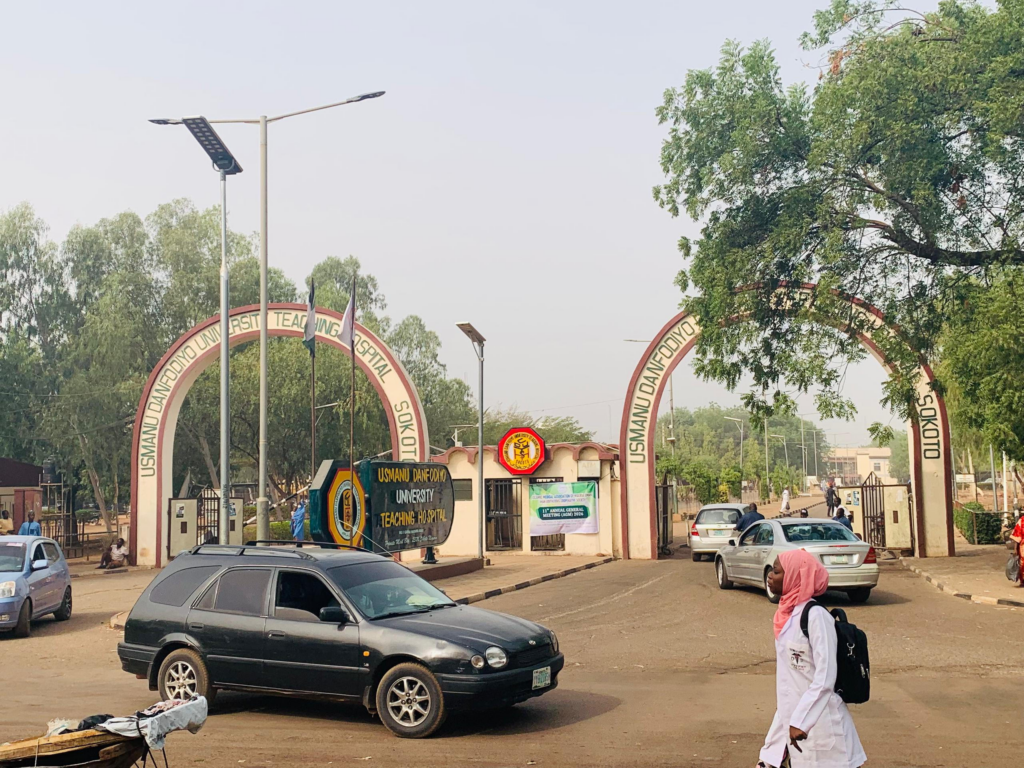
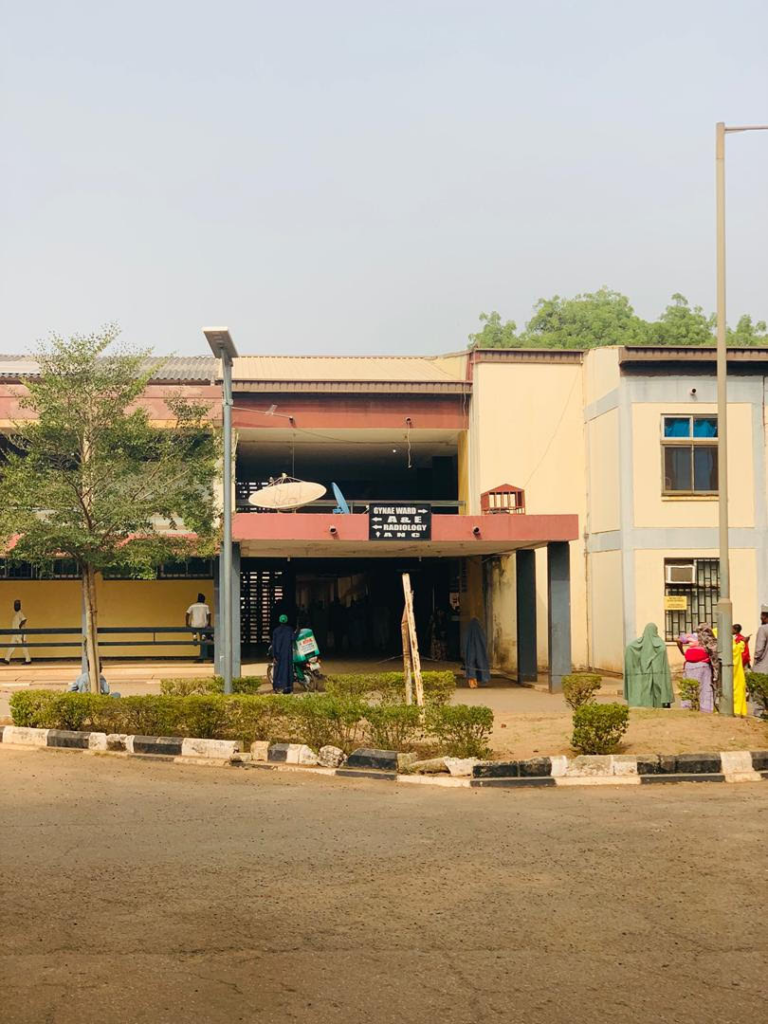
“All the above are my routine whether I’m well or unwell. But if I’m sick, those periods are the trying time. I visit hospital almost every day due to the kind of pain I normally go through those times. I normally received treatments at Usmanu Danfodiyo University Teaching Hospital. The section that attend to me is a special department (MCOP) and they opened once in a week between 8am to 11am.”
Motola also highlighted the financial challenges of living with SCD:
“There’re a lot of financial responsibility that comes with managing my health conditions. If we look at it, I will normally end up spending more than people that are not facing similar health challenges like me. For the daily drugs, I normally buy the two packs that contain 100 tablets each at the rate of 3500. They last me for three months. I take sachets water, at least half bag in a day, and a bag is sold at 350 to 500 depending on my location.”
“Whenever I’m sick, I spend a lot of money on transport, more than 2000 per day many times because the hospital is far distance to where I’m. Although, I don’t pay much for the hospital bill, I spend a lot of money on drugs. Sometimes, I spend 5000 on a single pack drug of drugs that doesn’t contain more than 10, and which may not last me than a week. I buy more of those kind of drugs like four or five depending on my condition and doctors’ prescription.”
“As an adult, I normally settle nearly all my financial responsibilities from my pocket. Although, I’m a student, I have skills that generate income for me. Nevertheless, there are some times when I go broke. Majority of the time when I get sick, the illness always meet money with me. Sometime when the expenses outsource my budgets, I seek assistance from my parents, siblings and at times, my friends support me.”
Motola also spoke about the emotional and family impact of his illness:
“There’s a lot responsibility that comes with it honestly. I have gave up a lot of things I love doing because my health didn’t support it. Whenever I fall sick, I hardly move around or do anything because the pain always comes heavy. So, within those intervals I’m always cut from my work, I miss classes, and some other things too. About two to three years ago when I’m working in a bakery, that I don’t even know I’m living with such condition, whenever I miss works because of my illness, the company will deduct each day I miss from my payment at the end of the month. But now, I work remotely, and don’t really work under pressure. Whenever I’m sick, I notified my superior who always understand my condition and bare with me until I feel better.”
“There are people whom their support have become a weapon in navigating the health challenge. Apart from caring and standing by me, they also use their money to support me. Honestly, taking care of me do affects them because attending to me consume some of their time. When I was a kid, the sickness has once drained my family physically, emotionally, and financially. That year, I was critically ill more than ever before. My parents, siblings and some relatives stay in the hospital since morning we’ve left home for my treatment until the late in the night. That day, all of them were afraid I may not survive because all my hands and eyes were white and I felt a lot of pain I couldn’t withstand that day, I later ended up receiving blood. The money, stress, and other treatments after we left hospital really affected my whole family.”
“Also, the last time I was badly ill was around October last year. I was in school not at home. I was admitted for two days before I insisted I should be discharged. My friends that stood by me were unable to proceed with their business. They missed classes because one of them need to stay with me at the hospital and the others stay from morning till the evening whenever they bring food.”
“Nigeria is just a country where government’s assistant is nearly inaccessible. Relying on subsidized treatment is not something achievable with the whole situation of the country. So, one needs to strive to take care of things independently, if not the consequences may be daring.”
“Even in this hospital where you pay for everything, many will nearly die on queue before it reach your turn to get medical attention. The last time I got sick badly, my condition worsened around 11pm. I had to hold up with pain with a lot of cry throughout the night. When it was dawn, we managed to get a bike that transported me to the hospital. We get to the hospital around 6:30am, and the worst happened. I was writing with pain on the floor, but I wasn’t attended to because the hospital was short of staff as at that time. Doctors were not around, and there was no bed space. I was attended to by 10am, after a doctor arrived and got a space after a patient was discharged. This part is so saddening. This is the fate of thousands of patients in Nigeria hospital today. Imagine you are on the verge of death, and you are helpless despite being in the hospital. We just hope the system gets improved.”
Another SCD patient, Hafsat Abdul, shared her approach to managing care:
“Follow ups with heamatologist, routine drugs folic acid, hydroxyurea and paludrine. Also home pain management plans or visiting the hospital during pain crises. I manage cost through health insurance. In the event of an unexpected health emergency, my family and I rely primarily on health insurance to cover most treatment expenses or my sister who happens to be a doctor manage to take care of me and we also try to make financial plans no matter how little. Living with sickle cell disease has affected my ability to work and study consistently due to unpredictable pain crises, fatigue, and frequent medical needs, the challenges can lead to missed days, reduced hours, or the need for flexible schedules, making it harder to maintain a steady source of income. They play a vital role in supporting me by helping with my medical appointments, pain management plans and daily activities during illness and sometimes it requires them to take time off work or adjust their schedules which can affect their income and daily activities. Careful financial planning with increased support from family to manage both routine and emergency care.”
PC: Precious Nwonu
Privilege Meets Challenge
Bilal Sani Umar, while acknowledging the expense of care, benefits from financial stability:
“Managing sickle cell disease is expensive. Alhamdulillah, I come from a financially stable background, which has ensured that my medications are always available. During emergencies, my parents promptly rush me to the hospital and settle all medical bills without hesitation. I have been truly privileged educationally. From primary school through my master’s degree, I never missed an examination despite missing many school days due to sickle cell–related illness. Alhamdulillah for that strength. I have always encouraged myself with the belief that ‘I am the sickler; sickle cell disease will not define me.’ My family remains my greatest source of support. They have played an indispensable role throughout this journey, standing by me through every challenge. I sincerely pray that Allah rewards them abundantly and grants them Jannatul Firdaus. However, access to healthcare in Nigeria remains a major challenge. Frequent strikes by healthcare workers make timely medical care difficult—not only for sickle cell patients but for many Nigerians who rely on government-owned hospitals. In emergency situations, I am sometimes forced to seek care from private health facilities, which are extremely expensive.”
NGO Perspective: The Ibrahim Khalil Abubakar Bagudo Foundation
Mariya Abubakar, the executive director of the Non-Governmental Organization for Sickle Cell patients, Ibrahim Khalil Abubakar Bagudo Foundation (IKAB Foundation) based in Sokoto, shared detailed insights in an exclusive interview about the challenges sickle cell patients face, particularly the financial strain in Nigeria’s current economic climate. When asked to describe the regular medical care someone living with sickle cell disease typically needs, and the kinds of costs families have to plan for, she responded:
“I have had collaborative sessions with the Kebbi state Sickle Cell association. So to describe the regular Medicare health care, I’ll tell you it’s a routine, because firstly, there is daily medications, medications you take daily for your health, like B-Complex, like Folic acid, like Hydroxy like DF. These are mostly medications most sickle cell patients take on a daily. And then there are abrupt medications for when you have medical flare ups, when you have a very critical flare up, when you have sudden crisis. You know, sickle cell patients’ crisis is literally just what happens when your blood flow is affected by your sickle cell. So, like all those crises they have, they are just called sequesteria crisis.”
“There’s also overlapping conditions that come with sickle cell anemia, like sickle cell complications. Some could have cardiovascular, some could have gastro, some could have neurological complications that would overlap with the supposed condition, and then this would also incur more financial cost – which are different kinds of costs families have to plan for. So I would argue that you can’t even plan directly for it, because while you can plan for the monthly, you don’t know what will happen in the month. You don’t know.”
“I love to emphasize that not every sickle cell patient has mental health challenges, but there are people that suffer from mental health challenges depression, anxiety due to discrimination or constant stigmatization. These are also kinds of costs, because you may have to see a psychiatrist or psychologist, or pay for therapy. And then also there’s the cost of comfort. Some people with sickle cell anemia cannot withstand any unnecessary stress. They can’t use public transport. They can’t stay where there’s no light, so their house has to be fully ventilated, always, always has to have light. So there are also families that have to deal with the cost of fuel, or the cost for solar or inverter so that your place is always air-conditioned. There are extra costs, like having massage devices, like having some medical equipment at home that you can just use. It could be a pulse oximeter, a glucometer, because, like I said, there are overlapping conditions that could come with sickle cell anemia.”
“So like these are, they are different kinds of costs that families really, really have to plan for with sickle cell anemia. And it’s not direct; it depends from one patient to another. One could have these complications, one could not have these complications – some could have to have very, very, very, highly specialized treatment. And then there’s also the one for food. Like my brother, he had certain foods. He cannot eat certain meals; he can only take certain meals. So there’s also that mental cost, or physical cost, of having to cook different food from the family. There’s this stress of having two meals every day, so like you’re cooking six meals in the morning, for him, for the patient, and for others. And then there’s also the financial cost of food. Most of the time, the food, especially for those with dietary restrictions, for those with anemia, are very expensive. So there’s also that cost. You can see that there are different tiers, different levels, to the different kinds of cost families usually have to – which are all part of medical care, because medical care is not just about the drugs they take. It’s not just about the hospital. It’s about holistic care of their mental, physical, psychological, and nutritious state. So all of this tends to affect the kind of what families have to plan for.”
“So, like I said, it depends on families literally. There are families like middle class, and then there are families that cannot afford the finances to pay for the medical bills. Most families can’t afford. Some go to family, relatives, uncles, aunts. Some have to sell jewelries, family belongings. There’s literally this patient, she’s deceased now; she died in November, but her family is still yet to repay the loans they took from different people to pay off their medical debts for her health condition. She was a sickle cell patient with a plethora of healthcare conditions.”
“There’s also drugs that go to NGOs like ours. We fundraise for different patients to afford healthcare bills, and we had a programme that we are trying to fully elaborate this year that covers basic healthcare for people with sickle cell anemia. Literally, we pay medical bills for people with sickle cell anemia. So there are also those that go to NGOs that kind of help pay vendors, taking loans, and then they’re selling off family belongings or personal belongings so that they can kind of still pay for it.”
“So I don’t know if you know, but according to the committee for people living with disability, DCRPD, chronic illness is a form of disability. We call it the invincible disability. These are disabling chronic health conditions that affect day-to-day life. Now, one of these is sickle cell anemia. Well, not everybody falls under it, but most fall under it. Why? Firstly, there’s the fact that it’s unpredictable. You can be healthy now, and the next moment you’re writhing in pain. You are rushing to the hospital. You are rushing to the emergency room. It’s literally unpredictable to your energy levels. It’s not the same as other people. You have low energy levels. You suffer from chronic exertion, chronic pain, and chronic fatigue. Now, it’s not the normal kind of, ‘Oh, I’m tired, I want to rest.’ No, this is a chronic kind of fatigue that comes and it’s just untreatable. It’s there in your body.”
“And I love to emphasize this: what people don’t understand is that even when these sickle cell patients look healthy, they aren’t. They are never 100% healthy. It’s just that, ‘Oh, the pain today is bearable.’ It’s not weakening me, it’s not the kind of glue-to-the-bed, levitating pain. So there’s that, like, keeping in mind that these are people who suffer from chronic fatigue. There are days you wake up and you just can’t show up at work because some people have sensory overload. People with chronic illness cannot just deal with sounds or light, and it affects them badly. They cannot show up. They fall sick on exam days, or on the day they have a presentation at work, and that’s why I most times say that hiring people with chronic illness disability is harder than hiring people with physical disability.”
“Because with physical disability, sometimes, once we have a ramp, you can manage. I’m not downplaying the struggles, but once you have a ramp and these things, it works. But with invisible disability, it’s unpredictable. So yes, it affects people in so many ways, with chronic fatigue, chronic exertion. For some, like my late brother, if the day is sunny, once he goes out, he’s going to fall sick the sun affects his body a lot. There are people who cannot work long hours; they have to have breaks in between, to stand up, stretch, relax, to not think about work. Most workplaces are not flexible enough.”
“All of this makes them high-risk employees. It makes it harder to employ them. And then, when they are employed, people think, ‘Oh no, they’re just seeking special treatment. How are you always sick? You’re just pretending.’ Yes, we know you’re sick, but you can chest it now. You can be strong today.”
“I did a project where I interviewed people with sickle cell anemia, and one of them told me she has a business. There are days that she doesn’t open her business because she wakes up very sick. She cannot do anything and shuts her business on those days. That means whenever she is sick, her income goes a little low. She’s not able to show up to work. Some employers deduct pay for missed days, especially casual workers. I know someone who is a nurse; she finished nursing, but she does not work now because she cannot afford it. It’s too strenuous. When she goes to work, she gets back pain, hand pain, leg pain, affecting her ability to work and maintain a stable income.”

Executive Director, Ibrahim Khalil Abubakar Bagudo Foundation (IKAB)
“This is emotional. There’s a psychological and financial aspect. When you talk to people with sickle cell anemia, you realize that a lot of their parents have strange relationships. Not a lot, but quite a few. Almost like the mother is the primary caregiver, always in the hospital, always doing the blood tests, scans, investigations. She is particular about what the child eats and does not eat. The father is like the financial backbone. But he gets tired, saying, ‘You’re always spending my money.’ The mother is like, ‘I am always in the hospital, always giving care. You’re not even here.’ I’ve seen a lot of sickle cell patients who cannot use their hands or legs during a crisis. Most times, it’s the mother carrying them on her back.”
“It’s always the female primary caregiver feeding, bathing, even washing when the child defecates, even when grown. This puts a strain on parents’ relationships. There’s also the academic part. My mother had to give up her PhD in the early years of my brother’s illness because she couldn’t cope with the hospital and her studies. She returned almost seven to eight years later, which delayed her career progression. Your life achievements and ambitions take a backseat because your child is in pain. And there’s guilt. You feel it’s your fault somehow. Sickle cell anemia is preventable if genotype compatibility is checked, but for my parents, my mum didn’t have genotype testing before marriage. It was only later she discovered she was AS, not AA, but by then, the deed was done.”
“Let me tell you one thing, I’m not going to sugarcoat taking care of a sickle cell patient in Nigeria is a lot. From food to medications to hospital visits it’s hundreds of thousands, sometimes even millions of naira. If you have other kids, you have to care for them too. Your personal self suffers; you can’t show up for yourself or others. Sickle cell patients get sick multiple times a month; sometimes admitted twice or thrice. If you work in a government or private institution, you’re the primary caregiver you have to take leaves. You can’t just quit your job, one income isn’t enough. You need physiotherapy, mental health support, and a safe, nurturing environment. Caring for a sickle cell patient is multifaceted and extremely demanding.”
“When my brother was starting, he had to take medical drugs daily, and it will cost a lot. His drugs are going to cost like I’m talking about as way back as say, 2006 2007 2008 My brother died in 2019, but up until his death, his drugs would cost like thirteen – seventeen thousand naira, depending on the severity of the kind of drugs you only get. Now you’re spending nothing less than 30. You’re spending 25 you’re spending 30. You’re spending 35k on a monthly routine drugs – this is not something you take just because you’re something you need daily, daily. You have to take it 30 days in a way, in a month, seven days a week. So how many households can afford that? What’s the minimum wage? 70k how many households in Nigeria and above minimum wage? You got siblings who have who their school fees have to be paid. You’ve got many mouths to feed. You’ve got family responsibilities. You’ve got a lot of things. How many households can absolutely afford for their child to take routine, daily drugs? Now, the cost of this is that you see families to cut costs if you take this drug today, then you don’t take tomorrow, and that means you are reducing the dosage your body needs to function properly. That means it’s going to affect the quality of life you’re living, because you’re not taking your drugs as prescribed as you’re supposed to, because you’re trying to cut costs – which is a very big economic challenge. You see a sickle cell patient have severe health condition, a flare up, a crisis, and he’s at home. He’s wincing in pain. He’s crying in pain. Parents cannot afford to take him to the hospital, because when they take him to the hospital in a day, 50,000 naira is gone. 70,000 naira is gone, 100,000 naira is gone – this is at a local, manageable level.
“What does that mean? It means that you watch your child in pain, you watch your family in pain. You watch your loved one in pain, and you’re able to do nothing because you can absolutely not afford it. So your child is wincing and writhing in pain, and you’re not doing anything about it. There’s a lot of people who have to do this hip surgery. You know there’s, there’s this hip surgery.
“There’s this health condition whereby the hip surgery, you have to hip surgery, because their hip bone kind of shift from its position and my brother had to do it. And even as of then, it runs into hundreds of thousands. We’re talking currently about millions of Naira, not 1 million, about two plus million naira, while in some hospital is three to four million naira to do this
“And what it means is that a lot of people cannot afford it, hat’s why you see some sickle cell patient, one leg of theirs is, higher up than one leg. I don’t know how to experience it. You can see, how do you walk? You can see their legs are not balanced. It’s the it’s that condition that causes it for them, and you cannot afford that. Well, it also means that it has you have to cut costs. You have other like I said earlier. You have other mouths to feed. So how do you do it? Because when you are when you have to feed so many people, that means other people would not get as much as this person. And then there’s also subtle resentment. it’s something that we don’t talk enough about, but it’s something that in my years of advocating for sickle cell patient, talking to people with sickle cell patients in their families, there’s this subtle resentment with siblings. Like, yes, you know, he said, But why? Why? Why do you have to put your life on hold because your sibling as of, why are your demands and your needs and your wants put last because your brother, your sister has sickle cell condition, but that’s what has to be done. He has to survive, but I hear you. You empathize with him, you sympathize with him, you understand. But it’s also kind of hurts you, and it’s breeds subtle resettlement and everything, and that’s one of the effects of the economic challenges family affected by sickle cell disease face that is in a more severe level than before. “
PC: Precious Nwonu
Call to Action: Turning Awareness Into Impact
The stories of families struggling with sickle cell disease in Nigeria make one thing painfully clear: without systemic support, the economic burden of this condition will continue to trap patients and caregivers in cycles of hardship. Research shows that the median monthly cost of care for a sickle cell patient in Nigeria can be around ₦76,711 (about US $385), with outpatient costs making up the bulk of that burden. Many households face catastrophic spending, especially the poorest families who spend disproportionate shares of their income on care. A report from Nairametrics also highlights that average monthly treatment costs including routine medications, consultations, and hospital stays can range from ₦70,000 up to ₦1,000,000 or more in severe cases.
These financial realities demand urgent, coordinated action. Policymakers must strengthen public healthcare infrastructure, including expanding comprehensive health insurance coverage that truly covers routine treatments, emergency care, and essential medications like hydroxyurea and folic acid. There is also a need to roll out universal newborn screening and genotype education programs nationwide to prevent future cases and catch complications early.
Beyond government action, community support and NGO involvement are vital. Increased funding for sickle cell advocacy groups and support networks can help fill gaps in care and raise awareness about the disease’s genetic nature and preventability. Employers and educational institutions should adoptpolicies that accommodate the unpredictable health needs of people living with SCD, such as flexible work hours and protected time off for medical care.
Finally, as health professionals, advocates, and everyday Nigerians, we all have a role to play in challenging stigma, increasing public understanding of sickle cell disease, and pushing for solutions commensurate with the scale of the problem. Without a concerted and sustained commitment, the silent struggle of millions will continue to unfold in hospitals, homes, and communities unmet and unheard.