

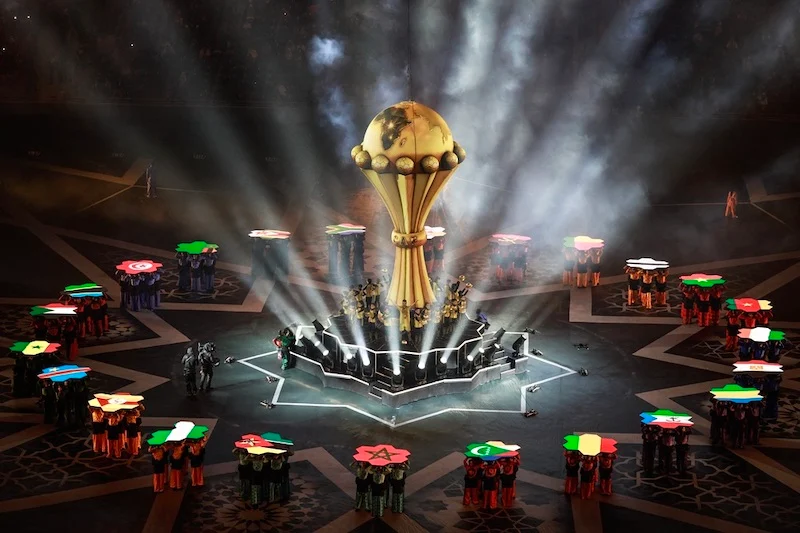

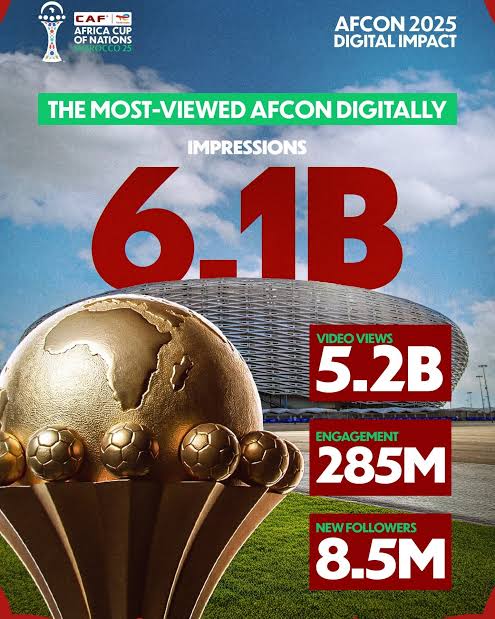
The CAF Africa Cup of Nations Morocco 2025 recorded an unprecedented digital footprint, cementing its status as one of the most influential sporting events on the global stage. According to figures released by the Confederation of African Football (CAF) on Wednesday via its social media channels, the tournament generated a record 6.1 billion digital impressions and 5.2 billion video views across multiple platforms. These numbers represent a dramatic leap from previous editions, highlighting the growing power of digital media in amplifying African football to worldwide audiences.
For context, the AFCON 2023 edition recorded approximately 2.1 billion digital views, meaning the Morocco 2025 tournament nearly tripled that total. CAF described this performance as “unprecedented,” emphasizing the competition’s rising dominance in global football’s digital landscape. The figures underscore a significant shift in fan engagement patterns, with millions of users not just following matches, but actively interacting with content, sharing videos, and creating their own digital narratives around the event.
A central factor behind this massive digital growth, CAF noted, was the engagement of the African diaspora. Millions of new users from around the world tuned in to AFCON 2025 content, illustrating the tournament’s ability to unite audiences across continents. From North America and Europe to Asia and the Middle East, African football captured the imagination of fans, with content transcending borders, languages, and cultures.
CAF highlighted the variety of content that fueled this digital boom. Video clips capturing breathtaking goals, dramatic match moments, behind-the-scenes footage, and fan reactions circulated widely across social media platforms, creating a dynamic and immersive digital experience. The football body credited fans themselves as the primary drivers of this unprecedented digital activity, with 285 million engagements recorded throughout the competition. These interactions ranged from comments and shares to likes and retweets, reflecting an extraordinary level of emotional investment in the tournament.
TikTok emerged as a particularly influential platform, serving as the “beating heart” of AFCON Morocco 2025’s digital ecosystem. CAF reported that more than one million fan-generated videos were produced under the hashtag #TotalEnergiesAFCON2025. These videos included everything from goal celebrations and tactical breakdowns to humorous skits, musical tributes, and fashion inspired by the tournament, demonstrating how AFCON content evolved into a cultural phenomenon extending far beyond the football pitch.
The tournament itself, hosted by Morocco from December 21, 2025, to January 18, 2026, featured a series of highly competitive matches culminating in Senegal emerging as champions. Morocco secured second place, while Nigeria finished third. These outcomes not only showcased the quality of football on the continent but also reinforced regional rivalries and narratives that fueled digital engagement and fan debates across social media platforms.
In addition to the competitive football, AFCON Morocco 2025 leveraged modern stadiums and world-class infrastructure to enhance fan experience both on-site and digitally. The venues featured state-of-the-art facilities that allowed for high-quality broadcasting, streaming, and interactive content creation. This investment in stadium technology contributed significantly to the tournament’s record-breaking digital footprint, ensuring fans could access seamless coverage regardless of their location.
The entertainment component of the tournament also played a key role in broadening its appeal. Performances by renowned artists, including Nigerian superstar Davido, punctuated key moments of the event, adding a cultural layer that resonated with fans globally. Music, fashion, and fan celebrations combined to transform AFCON Morocco 2025 into more than just a sporting competition; it became a comprehensive cultural festival that engaged audiences on multiple levels.
However, the tournament was not without controversy. Several matches were marked by disputed refereeing decisions, including questionable offside calls and penalties that drew intense scrutiny from fans and analysts alike. On- and off-pitch altercations, some involving players and coaching staff, were reported during critical matches, sparking debate over officiating standards and tournament governance.
VAR malfunctions further added to the controversy, undermining the credibility of certain decisions and fueling fan criticism on social media. These technical failures were widely discussed online, contributing to both the tournament’s engagement metrics and its polarizing narrative. CAF acknowledged these issues, emphasizing that they would be addressed to improve future editions of the competition.
In response to incidents of misconduct, CAF has sanctioned Algeria, Senegal, and Morocco, alongside several individual players, for actions deemed detrimental to the integrity of the tournament. The disciplinary measures, announced shortly after the conclusion of the tournament, underscore the organization’s commitment to enforcing rules and maintaining fair play. These sanctions were widely reported across media platforms, further feeding into global discussions about accountability in African football.
CAF emphasized that the tournament’s digital success was closely linked to fan-driven content. Videos ranged from tactical analysis to humorous skits, music, and fashion-inspired posts, highlighting how fans actively shaped the AFCON narrative. This participatory culture allowed younger audiences and new viewers to engage with African football in ways that traditional broadcasting could not achieve, solidifying the tournament’s relevance among global sports enthusiasts.
The combination of sporting excellence, modern infrastructure, digital engagement, and cultural programming ensured that AFCON Morocco 2025 became a landmark event. The record-breaking figures not only reflect fan enthusiasm but also signal a strategic shift in how African football leverages technology and social media to expand its global reach. By capitalizing on both competitive outcomes and digital storytelling, CAF successfully positioned the tournament as a leading force in the international football ecosystem.