

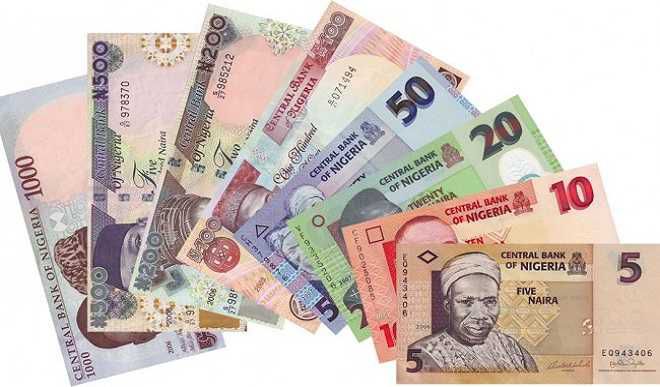

The Nigerian naira has sustained its upward momentum against the United States dollar during midweek trading. Data from the Nigerian Foreign Exchange Market showed that the local currency appreciated to a monthly high, closing at approximately N1,400.66 to the dollar, marking a continuation of gains recorded in the previous session when it settled at N1,401.2 per dollar.
This performance reflects a steady appreciation pattern that analysts say has been driven by improved market confidence, tighter regulatory oversight, and enhanced foreign exchange liquidity within the formal trading window. While the official market recorded swift gains, the parallel market reacted more cautiously, with exchange rates at Lagos-based bureau de change locations ranging between N1,475 and N1,490 to the dollar as of January 27th.
Average buy rates in the informal market stood at about N1,480 per dollar. In contrast, average sell rates were reported at N1,490, indicating a narrowing but still persistent gap between official and parallel market prices.
The naira has posted incremental daily gains of between 0.1 percent and 0.36 percent in recent sessions, reinforcing the narrative of a cautiously strengthening currency environment. This improvement has been partly due to ongoing regulatory reforms by the Central Bank of Nigeria, which have strengthened transparency, curbed speculative activity, and improved dollar supply across authorised channels. The currency’s early 2026 performance builds on momentum established in 2025, when the naira recorded its strongest annual showing in over a decade, appreciating between seven and nine percent against the dollar.
The naira’s gains have also coincided with notable weakness in the United States dollar globally, as the dollar index fell to its lowest level since early 2022. The dollar slide accelerated following remarks by United States President Donald Trump, who stated publicly that he was not concerned about the dollar’s declining value and described the situation as positive.
Following these comments, the dollar index dropped by as much as 1.2 percent, weakening the greenback against major global currencies and intensifying investor concerns about long term United States fiscal sustainability. Fears over America’s growing debt burden have further weighed on the dollar, despite reassurances from Treasury Secretary Scott Bessent, who described the dollar itself as a strategic asset tied to global trade flows.
Market sentiment has nonetheless shifted, with traders increasingly viewing short positions on the dollar as justified amid policy uncertainty and mixed signals from the White House. The dollar’s decline has also been influenced by a sharp rebound in the Japanese yen, as traders positioned for possible interventions to defend the currency.
Despite rising United States bond yields and expectations that the Federal Reserve may pause interest rate cuts, the dollar has remained under pressure, amplified by President Trump’s repeated calls for lower interest rates. Investor reaction has included a rotation into alternative assets such as gold, which has climbed to record highs, and increased inflows into emerging market funds, signalling a gradual shift away from United States-dominated portfolios.
Samuel Aina