

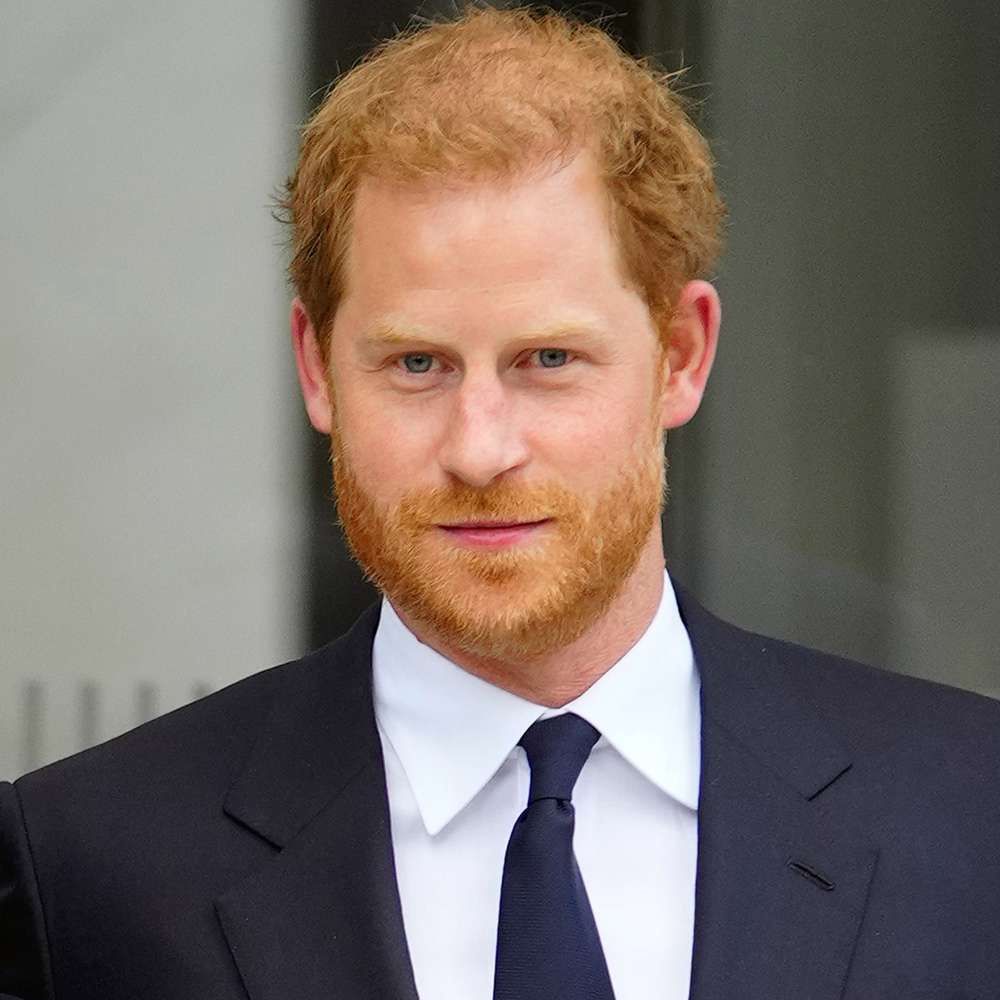

Britain’s Prince Harry and Prime Minister Sir Keir Starmer have launched forceful attacks on United States President Donald Trump’s characterization of the North Atlantic Treaty Organization (NATO) troops in the Afghanistan war. The comments, made by Trump in Switzerland this week during an interview with Fox News on the sidelines of the World Economic Forum in Davos, Switzerland, have ignited widespread outrage in the United Kingdom and across Europe.
In the interview, Trump questioned whether NATO allies would support the United States in a future conflict and asserted that non-US NATO troops “stayed a little back, a little off the front lines” during the nearly two-decade conflict in Afghanistan. He added that the United States had “never really asked anything of them” and that Washington had “never needed them.”
The interview appeared to diminish the sacrifices made by tens of thousands of troops from allied nations who fought alongside American forces after NATO invoked its Article 5 mutual defence clause for the first time in history following the September 11, 2001, terrorist attacks. That invocation committed NATO members to collective action, and troops from Europe and beyond served in Afghanistan in conditions that saw more than 150,000 British personnel deployed and 457 British service members killed.
Prince Harry, who served in Afghanistan with the British Army and completed two tours of duty, responded with a statement that directly challenged Trump’s portrayal of allied forces. Drawing on his own experiences and personal losses, Harry insisted that the sacrifices made by NATO troops “deserve to be spoken about truthfully and with respect.” He highlighted the invocation of Article 5 and noted that allied nations were obliged to join the United States in pursuit of shared security objectives after the 9/11 attacks. “Allies answered that call,” Harry said, adding that he had “made lifelong friends” and “lost friends” during the conflict. He emphasised the profound human cost of war, recalling that “thousands of lives were changed forever” and that families were left with enduring grief and loss. 
The Duke of Sussex’s intervention was unusually direct for a senior member of the British royal family, particularly one who has generally sought to avoid overt political disputes since stepping back from official duties in 2020. His military background and personal connection to the conflict lent weight to his words, and his statement rapidly circulated in British and international media, fuelling intense domestic debate. 
Prime Minister Starmer’s response was similarly robust. Speaking from Downing Street, he paid tribute to the courage and sacrifice of British soldiers who served and died in Afghanistan, describing Trump’s comments as “insulting and frankly appalling.” The prime minister emphasised the deep hurt the remarks had caused to bereaved families, veterans, and the wider British public. “I will never forget their courage, their bravery, and the sacrifice they made for their country,” Starmer said, underlining that the UK’s contribution to the Afghanistan mission was a matter of national pride and solemn remembrance.
Starmer also suggested that he believed Trump should apologise for the statement, saying that if he himself had “misspoken in that way” he “would certainly apologise” to those affected. NATO officials and European leaders have also condemned Trump’s remarks, stressing that allied forces fought valiantly alongside American troops and suffered heavy casualties. Denmark, for instance, lost 44 soldiers, while other member states such as France, Germany, Italy, and Canada each endured significant losses during the conflict.
It remains to be seen if President Trump will retract his statements and apologize, but the damage his comments have caused on several subjects in recent weeks has won America more enemies than friends.
Samuel Aina