

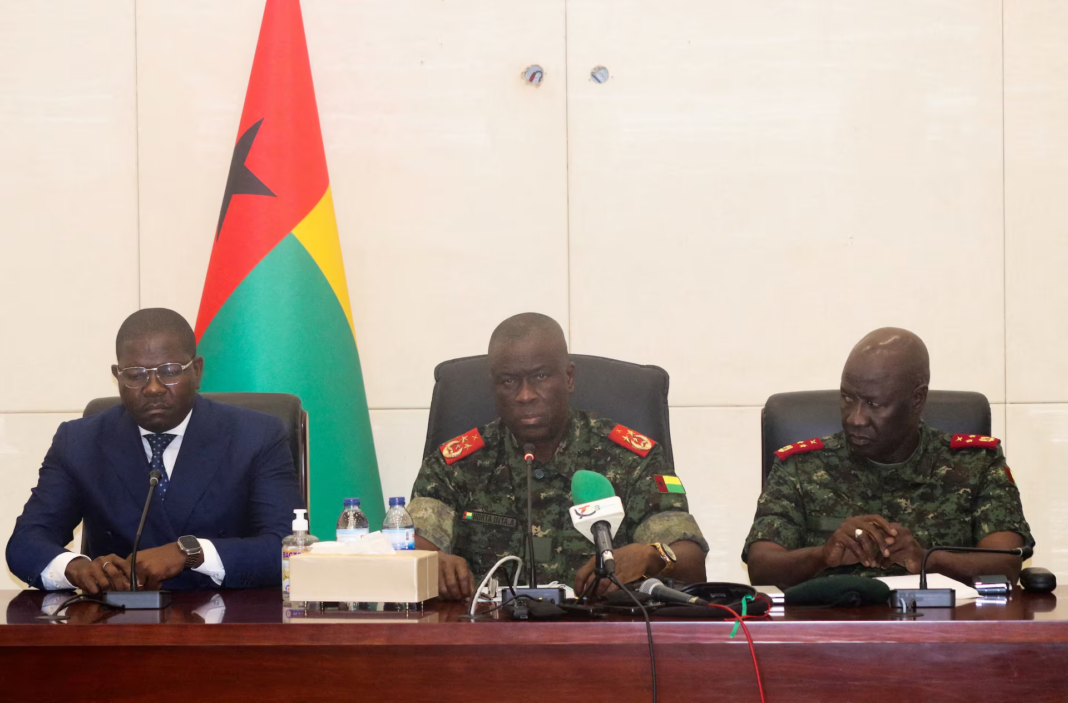

Guinea-Bissau’s transitional authorities have announced that the country will hold presidential and legislative elections on 6 December, signaling a key step in the West African nation’s path back to civilian rule following last year’s military takeover. The announcement came in a decree signed on Wednesday by Transitional President Horta N’Tam, following consultations with members of the National Transitional Council, military and government officials, as well as representatives of the country’s electoral commission. Speaking to reporters after the decree was issued, N’Tam stated that the necessary conditions for free and fair elections had been met, expressing confidence in the ability of Guinea-Bissau’s institutions to conduct a credible poll. The decree formalises the timetable for the elections and sets the stage for the return of constitutional governance, although questions remain about the political climate and the readiness of the nation’s institutions to manage a smooth electoral process.
The announcement comes in the shadow of a deeply contested and destabilising political episode in November 2025, when military leaders seized power from President Umaro Sissoco Embaló on the eve of the official proclamation of the presidential election results. At the time, both Embaló and his main challenger, Fernando Dias, had claimed victory in the vote, creating an atmosphere of heightened political tension. The military justified its intervention as necessary to prevent an alleged plot aimed at destabilising the country, which has a history of political fragility and institutional weakness. However, the coup drew widespread criticism from both domestic and international observers, with many questioning the timing and motivation behind the military’s actions. Former Nigerian President Goodluck Jonathan, who has often played a mediating role in West African political crises, expressed skepticism about the junta’s explanation, suggesting that the takeover may have been staged to consolidate power amid the contested election outcome.
Since the November 2025 coup, Guinea-Bissau has faced sustained pressure from the Economic Community of West African States (Ecowas) to implement a rapid transition to civilian governance. The regional bloc had previously rejected the junta’s proposal for a one-year transitional period, citing concerns over prolonged military rule and the need to restore constitutional order. In response, Ecowas suspended Guinea-Bissau from its decision-making bodies and warned of potential sanctions should the military fail to establish a credible timeline for elections. While the 6 December date now provides clarity on the electoral schedule, analysts note that it remains uncertain how the regional bloc will assess the timing and whether further diplomatic or economic pressure will be applied to ensure compliance with agreed-upon transitional frameworks.
The transitional charter, adopted shortly after the coup, bars both N’Tam and his prime minister from contesting the upcoming elections, a measure intended to prevent interim leaders from extending their tenure and to safeguard the neutrality of the electoral process. Nonetheless, regional observers remain cautious, given a pattern across West Africa in which coup leaders have often extended their hold on power under the guise of transitional arrangements. The political environment in Guinea-Bissau is particularly sensitive, with a history marked by frequent coups, disputed elections, and instability in civil-military relations. Analysts argue that the successful execution of the 6 December elections will require not only institutional preparedness but also credible monitoring and safeguards to protect against potential interference or renewed unrest.
In addition to domestic scrutiny, Guinea-Bissau’s political developments have drawn attention from international partners, including the United Nations, the African Union, and Western diplomatic missions. These stakeholders have repeatedly emphasised the importance of adhering to democratic principles, maintaining transparency in the electoral process, and ensuring the safety of all political actors. N’Tam and the transitional authorities have publicly committed to these principles, asserting that the conditions for credible elections including voter registration, security arrangements, and electoral oversight have been met. Nevertheless, the complex post-coup environment, coupled with lingering mistrust among political parties, continues to pose challenges to a fully stabilised political transition.
The announcement of the election timetable also raises questions about the identities of the candidates who will compete for Guinea-Bissau’s top offices. While the transitional charter prevents interim leaders from running, other political actors are expected to declare their candidacies, with observers watching closely to assess whether the elections will produce broadly accepted outcomes. The electoral commission, which played a consultative role in the timing announcement, has emphasised the need for transparency and impartial administration of the vote, noting that credible elections are essential for restoring domestic and international confidence in the country’s democratic institutions.
Guinea-Bissau’s political fragility must be understood in the context of a broader history of coups and military interventions in West Africa. Since gaining independence in 1974, the country has experienced repeated disruptions of constitutional governance, often linked to internal divisions, contested elections, and weak state institutions. This pattern mirrors wider regional dynamics, where some nations have faced similar cycles of military takeovers followed by slow or contested returns to civilian rule. Observers caution that while the 6 December elections represent an important milestone, the broader structural challenges of governance, political inclusion, and civil-military relations remain critical factors in determining whether Guinea-Bissau can achieve sustainable stability.
The formalisation of the election schedule also higlight the delicate balance Guinea-Bissau must strike between domestic political considerations and external pressure. While N’Tam and the transitional authorities seek to assert control over the process and demonstrate readiness for democratic transition, the international community led by Ecowas remains vigilant in monitoring compliance with regional norms and expectations. Analysts note that the credibility of the 6 December elections will depend on the ability of the authorities to implement transparent procedures, ensure security for voters and candidates, and foster a political climate in which all stakeholders feel that the process is legitimate and inclusive.