

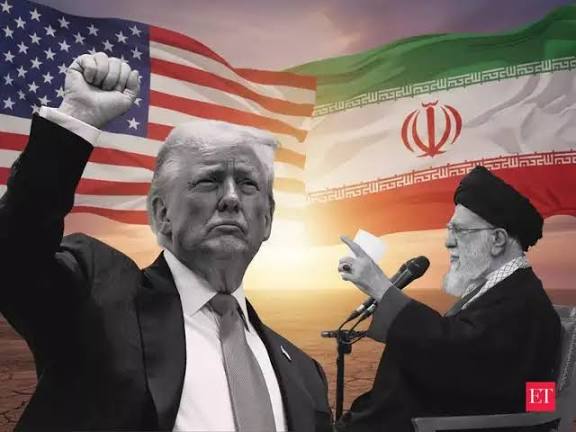

Iran is in the midst of one of the most serious internal crises since the 1979 Revolution, as mass protests that erupted in late December 2025 over economic hardship have expanded into an intensely violent confrontation between demonstrators and state security forces. As of 18 January 2026, a combination of internal repression and escalating diplomatic tensions has captured global attention, with the United States and Israel increasingly vocal in their responses.
Widespread Protests and Government Crackdown
Since 28 December 2025, protests have spread nationwide, initially triggered by economic hardship, inflation and the collapse of the Iranian rial. They have evolved into broader anti-government demonstrations, with protesters demanding political accountability and systemic change. Iranian authorities have responded with a brutal crackdown that has resulted in significant loss of life.
Estimates of casualties vary widely. According to an Iranian official, more than 5,000 people have been killed in clashes involving protesters and security forces, including about 500 members of the police and military — a figure immediately attributed to protesters by state sources and blamed on alleged foreign involvement. Human-rights organisations such as the U.S.–based Human Rights Activists News Agency (HRANA) report thousands of verified protester deaths with additional fatalities under investigation and tens of thousands of arrests documented. Other activist estimates suggest the true toll could be significantly higher.
Amid the turmoil, the Iranian regime imposed a near-total internet and communications blackout beginning on 8 January, aimed at suppressing coverage and limiting coordination among demonstrators; partial restoration has been reported but remains heavily restricted.
U.S. Posture: From Threats to Conditional Restraint
Throughout January, U.S. President Donald Trump has taken a public stance supportive of the protesters and sharply critical of Iran’s leadership. Early in the unrest, Trump openly encouraged demonstrators, stating that “help is on the way” and cancelling meetings with Iranian officials until violence against civilians ceases.
That rhetoric was followed by warnings of “very strong repercussions” if Iran continued killing protesters and veiled references to possible military measures. At one point, European officials and media outlets suggested that U.S. military action could occur “within 24 hours,” and some U.S. forces began to reposition personnel in the region amid heightened alert.
However, by mid-January the U.S. appears to have scaled back immediate military intervention plans. One report indicated Trump cancelled military options after Iran announced the cancellation of pending executions of hundreds of detainees, a rare public acknowledgment from Tehran.
At the same time, U.S. officials have continued to use economic pressure and diplomatic isolation rather than direct force, emphasising human rights concerns and urging Iran to halt its violent crackdown. This reflects both the complexity of mounting a military campaign against a sovereign state and the broader strategic risk of escalation in the Middle East, especially against a well-armed adversary.
Iranian Leadership’s Response and Accusations
Iran’s Supreme Leader Ayatollah Ali Khamenei has denied that protests are purely domestic and has repeatedly attributed them to external interference, especially by the United States and Israel. In speeches, he labelled President Trump a “criminal” for supporting protesters and alleged that foreign powers were responsible for “massive damages” and deaths during the unrest — framing the crisis as part of an international plot rather than a genuine popular movement.
State media and senior clerics have also called for harsh penalties against protesters, characterising many participants as “violent” and “foreign-backed agitators,” an assertion that echoes long-standing official narratives about external plots to destabilise Iran.
Israel’s Position: Watchful, Supportive, Cautious
While Iran has accused Israel of involvement in the unrest, Tel Aviv’s public posture has been more restrained and focused on diplomatic messaging. Israeli Prime Minister Benjamin Netanyahu and government officials have expressed moral support for protesters and condemned the massacre of civilians, but have stopped short of advocating or initiating any independent military intervention. Any Israeli action against Iran would likely be coordinated with the United States, according to Israeli media reports.
Israel’s strategic calculus is influenced by its longstanding security concerns regarding Iran’s nuclear programme, regional proxy forces, and ballistic missile capabilities. The protests present a potential weakening of Iran’s internal cohesion, but also a risk of wider regional instability — which Israel prefers to approach cautiously, preferring diplomatic and economic pressure over direct military engagement unless coordinated with strong international support.
Domestic Sentiment and Regional Dynamics
Inside Iran, protester sentiment remains defiant despite brutal repression. Accounts from residents describe a stark resolve among sections of the population to continue demonstrations even under internet blackouts and state violence, with many willing to risk their lives rather than acquiesce to systemic repression.
Opinions expressed online, including on platforms like Reddit, reflect a range of perspectives — from scepticism about foreign intervention and historical mistrust of Western powers, especially given past interventions, to hope that international pressure might hasten political change. Some Iranians caution that Western involvement could complicate domestic aspirations or lead to new forms of external influence.
What Comes Next?
Iran’s crisis remains deeply unpredictable. While immediate full-scale U.S. military intervention appears less likely following diplomatic backtracking, the United States continues to apply economic sanctions and international pressure. Israel maintains a watchful stance, offering rhetorical support to demonstrators without independent military escalation.
Iran’s leadership portrays the unrest as externally influenced and continues its crackdown while blaming foreign adversaries. Inside the country, protesters face severe repression but remain determined in places, reflecting profound socio-political dissatisfaction that transcends economic grievances.
The international community faces a delicate balance: condemning violence, supporting human rights, and avoiding a broader regional conflagration. How Tehran navigates continuing protests, international pressure, and internal fractures will shape not just Iran’s future but the stability of the wider Middle East in 2026 and beyond.