


The World Health Organization (WHO) is pressing countries to strike an overhaul of taxes on sugary drinks and alcohol, cautioning that easy affordability is driving avoidable deaths across the globe.
WHO highlighted how weak tax regimes keep these damaging goods inexpensive, straining health budgets amid growing concerns of noncommunicable diseases. This was disclosed in a website statement unveiling two fresh global reports.
WHO Director-General Tedros Adhanom Ghebreyesus described health taxes as a top-tier strategy for boosting wellness and curbing illness.
“Governments can slash damaging use and free up money for essential health programs by taxing tobacco, sugary drinks, and alcohol more heavily,” Ghebreyesus stated.
Tax Gaps in Many Nations
Several countries with poor tax levels have fueled the spikes of noncommunicable diseases such as obesity, diabetes, heart conditions, cancers, and injuries.
This is rampant among kids and youth due to cheaper availability of sugary drinks and booze. The reports released on Tuesday revealed 116 nations taxing sugar-sweetened beverages, with many high-sugar items escaping duties. These included sodas, fizzy drinks, pure fruit juices, sugared milks, and pre-mixed coffees or teas.
Energy drink taxes cover 97 percent of countries, unchanged from the 2023 report. WHO warned that frequent intake of these drinks regarded as innocent are triggering weight gain, obesity, Type 2 diabetes, tooth decay, and bone loss.
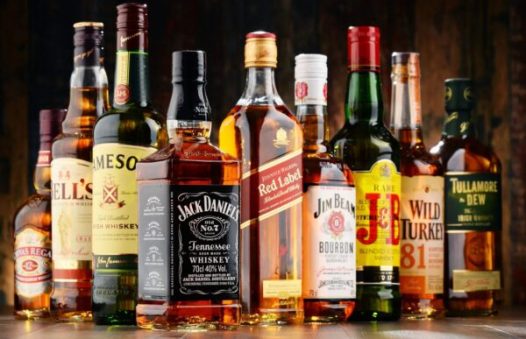
The reports also disclosed that at least 167 countries tax booze, with 12 outrightly banning its consumption. However, access to these items has been held steady or dropped since 2022, as duties lag behind inflation and wages.
Worldwide, average excise rates hinged at 14 percent for beer and 22.5 percent for spirits. Sugary drink levies are likewise skimpy and narrow, often hitting just some products, with the typical tax at roughly 2 percent of a standard soda’s cost.
Few nations index taxes to inflation, letting these risky items get progressively cheaper.
Launching 3 by 35 Campaign
WHO stressed health taxes excel at curbing bad habits while funding public needs. In a Tuesday virtual press briefing, Ghebreyesus explained that effective tax habits prevent sickness, lighten health system loads, and bankroll health, schools, and welfare.
Etienne Krug, head of WHO’s Health Determinants, Promotion and Prevention unit, pointed out cheaper alcohol spurs violence, harm, and illness, saddling society with costs as profits flow to makers.
WHO called for tax boosts and redesigns under its fresh 3 by 35 drive, targeting real price rises for tobacco, alcohol, and sugary drinks by 2035 to dent affordability and shield global health.
Ghebreyesus spotlighted the UK’s 2018 sugar tax as proof: it cut sugar intake, pulled in £338 million extra in 2024, and trimmed obesity in 10- and 11-year-old girls, especially in low-income areas.
Nigeria Grapples with NCD Surge
The appeal landed as Nigeria battles climbing NCDs like diabetes, high blood pressure, obesity, and heart disease, tied by experts to poor eating and more sugar-sweetened drinks.
Civil groups decried Nigeria’s fiscal tools as inefficient. The Corporate Accountability and Public Participation Africa (CAPPA) slammed the N10-per-litre duty on sugary drinks as paltry, failing to deter buyers or shift industry behavior.
CAPPA pressed for at least N130 per litre to cut use and funnel cash to health and prevention. Wider health alliances demand a 20 percent minimum excise on sugary drinks to fight avoidable ills and lift health stats.
Also, Nigeria’s Senate just hosted a hearing on hiking the tax, with backers touting health wins and revenue for healthcare.