


As nationwide protests in Iran enter their third week, the crisis has taken on multiple dimensions — from domestic repression and rising death tolls to fraught diplomatic signalling with the United States and spirited appeals from exiled opposition figures. The situation underscores profound domestic discontent and complex international concerns about stability, sovereignty and human rights.
Protests, Crackdown and Death Toll
What began in late December 2025 as economic grievances over a collapsing currency and cost-of-living pressures has evolved into widespread demonstrations across Iranian cities. Human rights groups and activist networks report hundreds of protesters have been killed amid a forceful crackdown by security forces. Estimates from rights organisations suggest the toll has climbed into the 500-plus range — with thousands more detained — although Iranian authorities have not published independent figures.
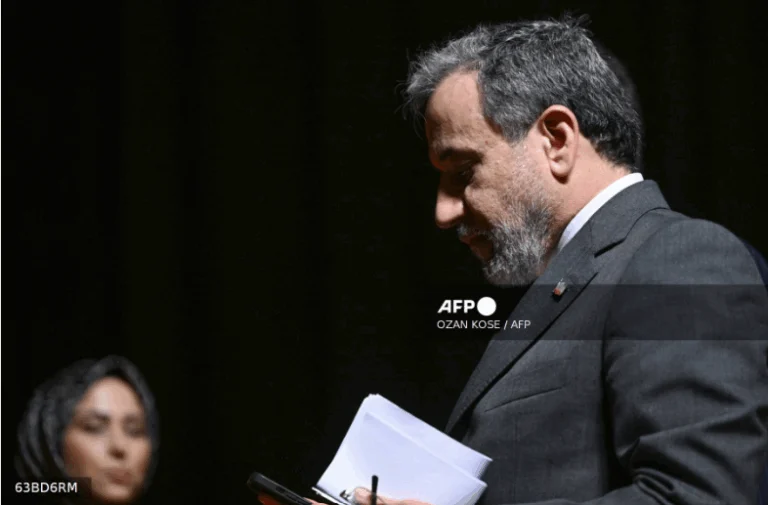
The Iranian government has responded with major security operations, internet blackouts and efforts to suppress dissent. State media and officials characterise much of the unrest as manipulated or violent, with Foreign Minister Abbas Araghchi publicly describing the unrest as not merely protests but a “terrorist war against the country,” claiming that armed groups have infiltrated demonstrations and alleging foreign interference, particularly by the U.S. and Israel.
Iran’s Foreign Minister: “Prepared for War” but Not Seeking It
In a high-profile diplomatic statement, Araghchi sought to walk a rhetorical tightrope. He asserted that Iran “is not seeking war but is fully prepared for war” if confronted with aggression — underscoring Tehran’s perception of existential pressure — while also saying the government is open to fair, respectful negotiations. The comments were made in a briefing to diplomats and broadcast on state media, next to repeated claims that the protests have been exploited to justify external intervention.
This posture reflects a broader Iranian approach: projecting deterrence while signalling openness to dialogue, albeit on Tehran’s terms and with deep mistrust of U.S. policy. Iranian officials have repeatedly denied any intent to attack other countries pre-emptively, even as they assert evidence of foreign involvement in domestic unrest.
U.S. Warnings and Consideration of Response
Across the diplomatic divide, U.S. President Donald Trump has made increasingly forceful public statements. In response to the crackdown on demonstrators — whom he has described as exercising aspirations for freedom and human rights — Trump warned that the United States could take “very strong” measures if Iranian security forces continue to kill protesters. He has specifically said the U.S. would “hit them very hard where it hurts,” a formulation indicating economic, military or strategic pressure short of direct invasion.
Trump also acknowledged that Iranian leaders have reached out seeking negotiations on broader issues such as nuclear programme oversight, even as he expressed skepticism that talks alone would resolve the crisis. Such a dual signal — threatening serious response while leaving diplomatic doors ajar — reflects the difficulty in balancing pressure and engagement in the current atmosphere.
At the same time, U.S. officials have reportedly explored a range of options, from expanded sanctions and cyber operations to providing satellite internet access for protesters and planning potential military responses. These discussions — emphasised in reports of high-level briefings in Washington — underscore how the Iran crisis has re-entered debates over U.S. foreign policy priorities and risk calculations.
Appeals From Exile: Reza Pahlavi’s Role and Reception
Amid the turmoil, Reza Pahlavi — the exiled son of Iran’s last shah — has emerged as a prominent voice supporting the protesters and urging international action. In recent statements, Pahlavi appealed directly to Trump to intervene “to help the people of Iran,” portraying the current demonstrations as part of a historic struggle for freedom and democratic governance. He has also articulated plans for a “stable transition” should the clerical regime fall, proposing a structured role in guiding an interim phase toward a democratic system.
Pahlavi’s calls resonate with some segments of the diaspora and opposition activists who view him as a symbolic alternative to the Islamic Republic’s leadership, particularly because he publicly endorses democratic principles and civilian empowerment. However, within Iran itself, reactions are mixed. Some protesters support his appeals as a rallying cry, while others — especially grassroots organisers — remain wary of external symbols of leadership, given Iran’s complex history of foreign interference and deep-rooted scepticism toward monarchy and exile figures.
What Protesters Are Calling For
At the heart of the Iranian protests are demands that go well beyond immediate economic relief. Demonstrators have increasingly articulated calls for systemic change, including greater political freedoms, accountability for government corruption, and respect for civil liberties. In many cities, slogans have expanded from anger at inflation to denunciations of the ruling clerical class and demands for a different form of government structure. These themes reflect deep frustration that has accumulated over years of economic stagnation, political repression, and restricted space for dissent.
As the protests have evolved, observers note that many participants — especially younger Iranians — are less motivated by nostalgia for past political orders and more driven by a desire for genuine representative governance. This dynamic complicates narratives that centre on a single leadership figure, even as exiled voices like Pahlavi’s seek to amplify international attention.
Looking Ahead
The situation remains fluid. Iran’s government asserts it has regained control over unrest and dismisses foreign threats of intervention as illegitimate meddling. Meanwhile, the U.S. continues to signal both pressure and strategic restraint, weighing how to respond to a crackdown that has drawn international condemnation.
The protests themselves underscore profound tensions within Iranian society — between a government determined to maintain its grip on power and a populace pushing for fundamental change. As international actors navigate these tensions, the risk of miscalculation remains high, with both internal and external voices shaping what may be one of the most consequential periods in Iran’s modern political history.