



Across Africa, the mobile phone has evolved from a luxury item into an essential tool that shapes how people live, work, and engage with society. From crowded city streets to remote rural villages, mobile phones are now deeply woven into daily life, serving as wallets, classrooms, newsrooms, health clinics, and political platforms. The speed of adoption has been striking. In just a few decades, Africa has moved from limited fixed-line infrastructure to becoming one of the world’s most mobile-first regions, with millions of people accessing the internet for the first time through a handset rather than a desktop computer. For many Africans, the mobile phone is not just a communication device but the primary gateway to economic opportunity and public life.
This transformation has been driven by several factors, including the rapid expansion of mobile networks, increased competition among telecom operators, and the steady decline in the cost of handsets and data. Mobile operators have extended coverage far beyond major cities, often reaching areas where roads, banks, and power infrastructure remain weak or unreliable. Low-cost smartphones and flexible prepaid plans have made ownership possible for low-income users, while innovations such as solar chargers have helped overcome electricity challenges in off-grid communities. As a result, entire populations have effectively skipped the era of landlines and desktop computing, embracing mobile technology as their first and main connection to the digital world.
One of the most visible impacts of mobile phones in Africa has been in banking and finance, particularly through the rise of mobile money services. Platforms that allow users to send, receive, and store money using basic phones have transformed how people handle finances, especially in countries where large segments of the population were previously excluded from formal banking. Small traders, transport workers, and rural households now use mobile wallets to save money, pay bills, and receive payments securely. Development agencies and economists have noted that mobile money has helped reduce transaction costs, improve household resilience during economic shocks, and support the growth of micro and small enterprises across the continent.
For entrepreneurs and small businesses, mobile phones have lowered barriers to entry and expanded access to markets. Informal traders use messaging apps to advertise products, take orders, and communicate with suppliers, while digital payment tools reduce the risks associated with carrying cash. Ride-hailing services, online marketplaces, and social commerce platforms have created new income opportunities, particularly for young people in urban areas. Policymakers and business leaders increasingly view mobile technology as a key driver of job creation and innovation, even as they acknowledge the need for supportive regulation and investment.
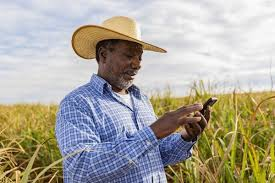
In agriculture, which employs a large share of Africa’s workforce, mobile phones have become an important source of information and support. Farmers use their phones to receive weather forecasts, access market prices, and learn about improved farming techniques through voice messages, SMS, or mobile apps. These services help farmers make better decisions about planting, harvesting, and selling their produce, reducing losses and improving incomes. Agricultural experts say that while mobile tools are not a substitute for broader structural reforms, they play a meaningful role in strengthening food security and linking rural producers to national and regional markets.
The healthcare sector has also seen significant changes as mobile technology is used to bridge gaps in access and information. Health workers rely on mobile phones to coordinate care, track patient data, and deliver reminders for vaccinations or medication adherence. In remote areas, patients use phones to consult health professionals, receive public health information, or call for emergency assistance. During disease outbreaks and public health campaigns, mobile messaging has been used to spread accurate information quickly, a development that health authorities say can save lives when physical access to clinics is limited.
Education is another area where mobile phones have had a growing influence, particularly as schools and universities explore digital learning models. Students use mobile devices to access online lessons, educational videos, and exam materials, while teachers communicate with pupils and parents through messaging platforms. In contexts where textbooks are scarce and classrooms overcrowded, mobile-based learning tools offer an alternative way to support education. International organizations working in education caution, however, that unequal access to devices and connectivity can widen learning gaps if not carefully addressed.
Mobile phones have also reshaped journalism and media consumption across Africa. News is increasingly accessed through social media, messaging apps, and mobile news platforms, allowing audiences to receive information in real time. Journalists use mobile phones to gather photos, videos, and eyewitness accounts, often reporting from places that are difficult to reach by traditional media. At the same time, the shift to mobile-first news has challenged established media business models and raised concerns about the spread of misinformation, particularly during elections and crises.
In the political sphere, mobile phones have become powerful tools for civic participation and accountability. Citizens use their phones to document events, organize campaigns, and engage directly with public officials on social media. Election observers and civil society groups rely on mobile reporting tools to monitor polls and report irregularities. While governments across the continent have embraced digital platforms to communicate with citizens, some have also imposed restrictions such as internet shutdowns during periods of unrest, highlighting ongoing tensions over control and freedom in the digital space.

Experts in telecommunications and development often point to data showing that increased mobile penetration is linked to economic growth and productivity gains. According to industry and multilateral reports, mobile technology contributes billions of dollars to African economies each year, both directly through the telecom sector and indirectly through services that depend on connectivity. Policymakers frequently cite these figures when arguing for further investment in digital infrastructure as part of broader development strategies.
Despite these gains, significant challenges remain. Digital inequality persists between urban and rural areas, and between wealthier users who can afford smartphones and data, and poorer households that rely on basic phones or limited connectivity. Internet affordability remains a major concern, with data costs still high in some countries relative to average incomes. Cybersecurity threats, online fraud, and data privacy issues have also increased as more economic and personal activity moves onto mobile platforms.
Misinformation and harmful content pose another growing challenge in Africa’s mobile-driven information ecosystem. The speed and reach of mobile communication can amplify false narratives, particularly on social media and private messaging apps. Media experts and regulators stress the importance of digital literacy, responsible platform governance, and independent journalism to ensure that mobile technology strengthens rather than undermines public discourse.
Telecom operators and technology companies say they are working with governments and development partners to expand coverage, improve service quality, and support innovation. Investments in 4G and 5G networks, local content development, and digital skills training are often presented as essential steps toward unlocking the next phase of mobile-driven growth. At the same time, analysts note that regulatory stability and fair competition are critical to sustaining investor confidence in the sector.
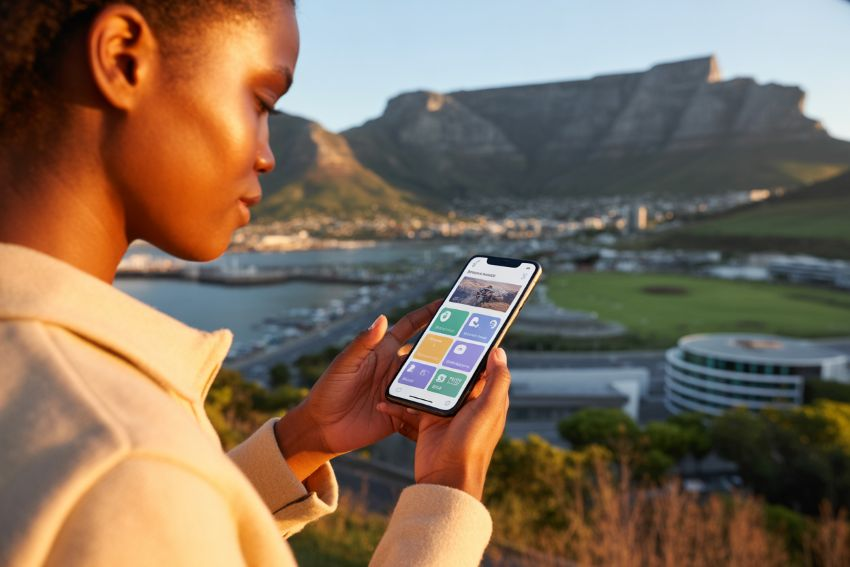
Looking ahead, many observers believe mobile phones will continue to play a central role in Africa’s development and innovation landscape. Emerging technologies such as artificial intelligence, digital identity systems, and advanced mobile financial services are increasingly being built on mobile platforms. As Africa’s population grows and remains predominantly young, the demand for mobile-enabled services is expected to rise further. Whether mobile phones can fully deliver on their promise will depend not only on technology itself, but on policies, partnerships, and investments that ensure the benefits are widely shared across the continent.