

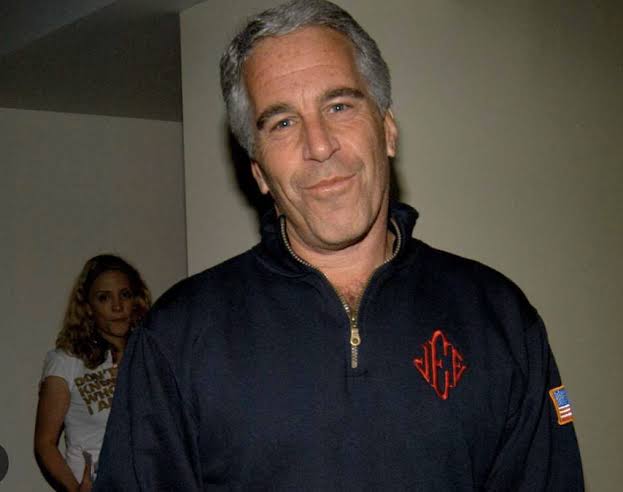

As the United States nears the end of 2025, new developments in the long-running Jeffrey Epstein case are once again drawing widespread attention. The U.S. Department of Justice (DOJ) has released multiple batches of documents and multimedia materials connected to investigations of the late financier and convicted sex offender Jeffrey Epstein, in compliance with a new federal law — but the process has sparked debate over transparency, redactions and political reactions.
In mid-December, Congress passed and President Donald Trump signed the Epstein Files Transparency Act, a law requiring the DOJ to make public all unclassified records relating to Epstein’s investigations, prosecutions and network, as long as disclosure does not jeopardise victim privacy or ongoing legal matters.
Since then, the Justice Department has gradually published tens of thousands of pages of documents, photos and records. On 23 December 2025, the DOJ released approximately 29,000 pages of material, including CCTV footage, investigative reports and legal records tied to Epstein’s activities and the related criminal cases. These disclosures represent the largest single tranche of files made public so far under the transparency law.
Despite the volume of material, the releases have been heavily redacted, drawing criticism from lawmakers and survivors alike. Many documents contain significant blacked-out sections and missing pages, particularly those that intersect with sensitive personal data or ongoing investigative considerations. Reviewers reported that hundreds of pages are entirely obscured, some labelled only by generic redaction blocks with no context for the omissions.
Epstein survivors and advocacy groups have been vocal about their frustration. Some survivors have said the released files are “a fraction” of what was expected, arguing that extreme censorship undermines the intent of the transparency law and prevents meaningful accountability for Epstein’s actions and his associates. Others, while acknowledging the emotional weight of seeing archival material, expressed that even partial access has a validating effect as records long hidden become public.
The Justice Department has explained that the redactions and staggered release are partly due to the sheer size of the records (hundreds of thousands of pages) and the legal obligation to protect victim identities and comply with privacy and federal court rules. Deputy Attorney General Todd Blanche has said that the department is continuing to process material for future release and expects more updates through early 2026 — even as some deadlines specified in the law have already passed.
Among the newly released materials are photographs and documents tied to Epstein’s properties and social circles. One notable revelation documented in the files is that **Epstein named prominent figures like Jes Staley (former CEO of Barclays) and Lawrence Summers (former U.S. Treasury Secretary) as executors in earlier wills — though neither appeared in his final will. Both individuals have since publicly distanced themselves from Epstein, and their inclusion in estate planning documents suggests broader intersections with his network.
Other controversial items include emails and pictures showing Epstein with public figures, though legal observers and mainstream outlets emphasise that mere presence in an image does not equate to illegal conduct or culpability. Additionally, some files reportedly include lighthearted or mundane correspondence that has been seized upon by critics as distracting from the core criminal record.
The DOJ also restored certain files — including an image of then-President Trump with Epstein and associates — to its online repository after temporarily removing them due to concerns over victim information. This restoration came amid a broader backlash from both political parties, some of whom accused the department of selective disclosure or mishandling the rollout of documents.
Meanwhile, federal judges have approved motions to unseal some grand jury transcripts and discovery materials linked to Epstein’s criminal cases, which historically have been kept private under grand jury secrecy rules. These rulings align with the intent of the transparency law and are intended to provide additional oversight of the underlying cases.
Still, key questions remain. Critics point out that even with the large volume of released files, there has so far been no definitive evidence uncovered publicly that implicates powerful figures in criminal conduct associated with Epstein’s sex trafficking operations. Many analysts and legal commentators caution that the presence of names or images in documents should not be conflated with wrongdoing, and that the principal legal findings about Epstein’s crimes fundamentally remain rooted in earlier prosecutions and civil litigation.
Looking ahead, more documents are expected to be released in early 2026 as the DOJ continues its review. Debate over the balance between transparency and privacy protection — as well as political and public expectations — is likely to persist as journalists, legal experts, lawmakers and survivors sift through the expanding digital archive.