

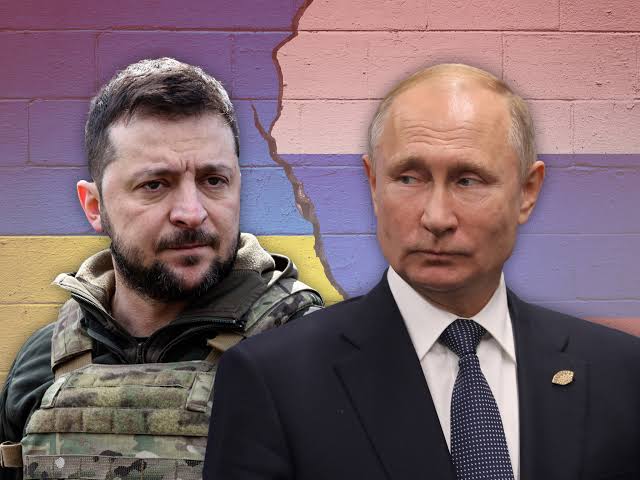

As the war between Ukraine and Russia stretches into its fourth year, the conflict remains complex, with shifting front-line dynamics, high-profile military actions and uneven diplomatic progress shaping the trajectory of one of Europe’s longest-running conflicts since 1945. Both Kyiv and Moscow have continued to pursue their military objectives while negotiations inch forward amid deep mistrust and competing conditions for peace.
Recent battlefield developments underscore a sustained operational tempo across multiple fronts. Russian forces continue to launch air and drone strikes targeting Ukrainian energy infrastructure, leaving tens of thousands of civilians without electricity in regions such as Odesa, Sumy, Zaporizhzhia and Donetsk. These operations, seen as part of a winter campaign aimed at degrading Ukraine’s civilian resilience, have prompted emergency responses and repair efforts where security conditions permit.
Ukrainian forces, for their part, have maintained pressure on Russian positions both along the contact line and within Russian territory. Ukrainian military intelligence has reported strikes on strategic infrastructure including an oil terminal, pipeline facilities and naval assets in Russian-controlled areas, reflecting Kyiv’s broader strategy of imposing costs on Moscow’s logistical and economic capacity.
The conflict has also been punctuated by rare but symbolic attacks on high-level military figures. In late December, Russian Lieutenant General Fanil Sarvarov was killed in a car bombing in Moscow — the third senior Russian military officer to be assassinated in 2025 alone — prompting Kremlin officials to decry what they see as Ukrainian involvement or maligned Western influence, even though Kyiv has not publicly claimed responsibility for this specific incident.
On the ground, fighting remains intense in contested cities and regions. Independent analysts note Russian targeting of multiple urban areas including Pokrovsk, Rodynske, Kostiantynivka and Kupyansk while Ukrainian units have countered with localized advances where opportunities arise.
The human cost of the war has been severe: attacks on civilian infrastructure, including missile strikes on population centers such as Ternopil, have caused significant casualties and destruction, reinforcing the conflict’s toll on non-combatants and heightening calls for humanitarian relief.
Diplomacy and Peace Negotiations
Efforts to find a negotiated end to the war continue, but progress has been slow and uneven. Multiple rounds of talks, including U.S.-mediated discussions in Miami and other venues, have aimed to establish ceasefires and frameworks for peace. While Ukrainian negotiators have publicly stated their willingness to engage in direct talks under certain conditions, Moscow has repeatedly reaffirmed tough demands — including territorial concessions and the recognition of annexed regions as part of Russia — before agreeing to broader negotiations.
International engagement has remained active. Western partners, including the United States and the European Union, have emphasized the need for Russia to make tangible concessions as a basis for lasting peace, while also reaffirming strong security and military support to Ukraine. European leaders have discussed frameworks involving multinational forces and robust security guarantees in the event of a future agreement.
However, observers note that, despite ongoing diplomatic activity, there has been no breakthrough ceasefire, and substantive negotiations are hampered by deep disagreements over core issues. These include sovereignty, territorial control — particularly of the Donetsk, Luhansk, Kherson and Zaporizhzhia regions — and Ukraine’s aspirations toward Euro-Atlantic integration.
Outlook and Challenges
The war’s persistence reflects a combination of military stalemate and political impasse. Russia publicly insists that its military goals remain attainable and continues to portray its operations as defensive and justified, even as Western sanctions and restrictions target elements of its economy and logistics. Ukraine, backed by continued financial and military assistance from NATO and EU partners, remains resolute in defending its territory and pressing for internationally guaranteed security arrangements.
Nonetheless, analysts caution that a durable peace remains elusive. Both nations face domestic pressure and international scrutiny, and most experts suggest that without significant concessions or shifts in battlefield dynamics, the conflict is likely to continue into 2026. The possibility of negotiated pauses or localized ceasefires exists, but any lasting settlement will require reconciling fundamentally opposed positions on sovereignty, territorial integrity and security guarantees.