



Christmas, once widely defined by quiet religious reflection, communal gatherings and shared traditions, is increasingly being questioned in modern society: is the season losing its original meaning, or simply adapting to the realities of a changing world? Across cities and rural communities alike, the celebration of Christmas today looks markedly different from what many older generations remember, shaped by economic hardship, digital culture, evolving family structures and fast-paced lifestyles that continue to redefine how people experience the season.
Economic pressure has emerged as one of the most powerful forces reshaping Christmas. Rising inflation, job insecurity and the high cost of living have forced many families to rethink long-held traditions, from elaborate feasts to expensive gift exchanges. In Nigeria, for instance, transport fares, food prices, insecurity and accommodation costs have made travel to ancestral homes increasingly difficult, leading some families to celebrate in smaller, more modest ways or not at all. Market traders and transport operators confirm that while Christmas activity remains high, spending patterns have shifted, with more people prioritising essentials over luxury, suggesting that financial realities are quietly redefining what the season looks like on the ground.
At the same time, social media has transformed Christmas into a highly visible, curated experience. Platforms like Instagram, TikTok and X are flooded with festive photos, matching outfits, decorated homes and travel highlights, often creating a sense of pressure to perform the “perfect” Christmas. Cultural observers note that for many young people, the season is increasingly about content creation and online engagement rather than shared physical moments. While this digital expression allows people to connect across distances, critics argue that it can also replace depth with display, shifting focus from meaning to aesthetics and validation.
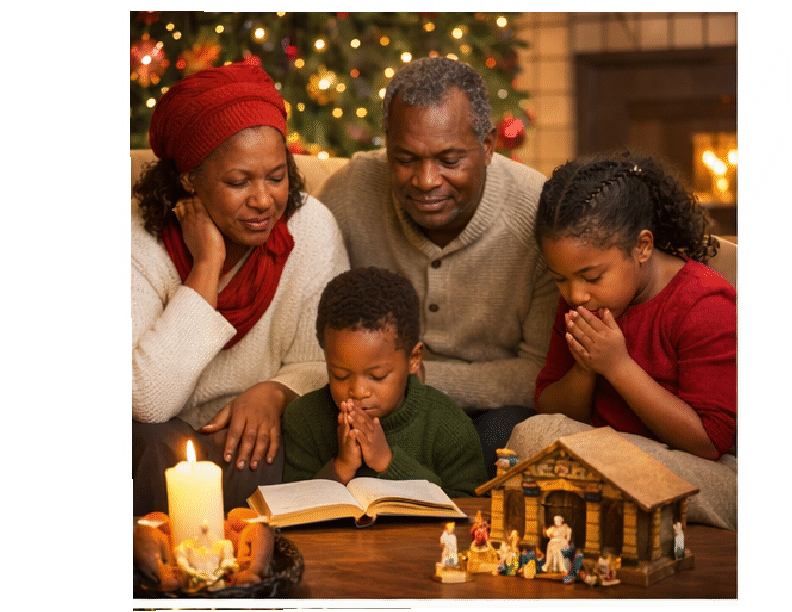
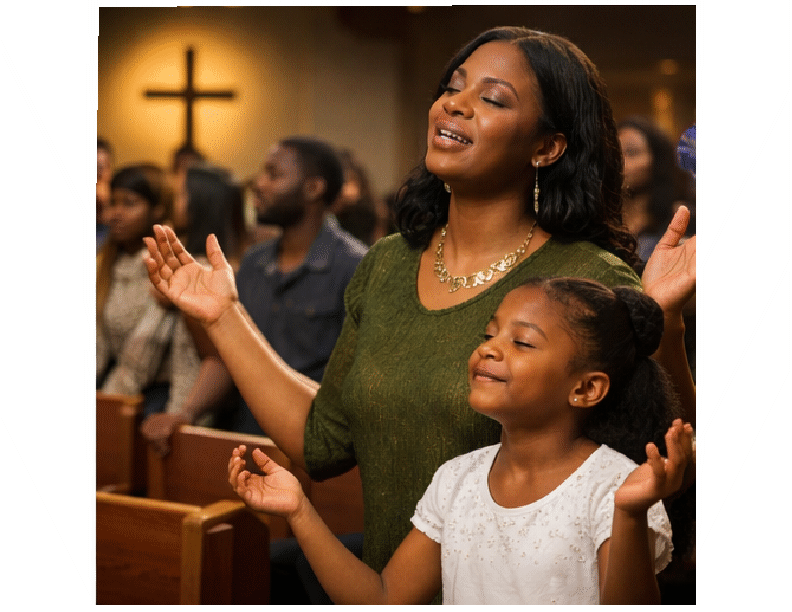
Religious leaders have expressed concern that Christmas’s spiritual core is being overshadowed by consumerism. Churches report declining attendance at Christmas services in some urban areas, particularly among younger demographics, as celebrations move toward parties, concerts and entertainment events. Yet others argue that faith itself is evolving, with many believers choosing private reflection, charity or online worship over traditional gatherings. For them, the essence of Christmas is not disappearing but finding quieter, more personal expressions that align with modern life.
Changing family structures have also altered the emotional landscape of Christmas. Migration, urbanisation and globalisation mean that extended families are often scattered across cities or continents, making large family reunions increasingly rare. Single-parent households, blended families and individuals living alone now form a significant part of society, leading to alternative forms of celebration such as “friends-mas,” workplace gatherings or community outreach events. Sociologists suggest that these adaptations reflect resilience rather than decline, as people create new rituals to meet their social and emotional needs.
For many young adults, Christmas has become less about strict tradition and more about balance — combining rest, entertainment, limited celebration and digital connection. Interviews with university students and young professionals reveal a pragmatic approach: fewer gifts, shorter visits home, and more emphasis on self-care or travel. To this generation, the meaning of Christmas is not fixed but flexible, shaped by personal values rather than inherited expectations. They often reject the idea that celebration must look a certain way to be valid.

Older generations, however, often express nostalgia for a Christmas defined by simplicity, shared meals and collective worship. Many recall a time when communities came together regardless of wealth, and when the season fostered stronger social bonds. This sense of loss is not necessarily about religion alone, but about the erosion of communal living and slower rhythms of life. Cultural historians note that this nostalgia reflects broader anxieties about modernity, not just changes to Christmas itself.
Experts in cultural studies argue that consumerism did not replace Christmas values overnight but gradually became embedded through advertising, global commerce and modern work structures. From shopping promotions to end-of-year sales, the season has been steadily commercialised, making spending feel almost obligatory. Yet the same systems have also enabled large-scale charity drives, digital fundraising and community support initiatives that peak during the holidays, suggesting that generosity has not disappeared but changed form.
In many communities, Christmas is increasingly defined by acts of kindness rather than ceremony. NGOs, religious groups and informal collectives organise food drives, hospital visits and outreach to displaced persons, reframing the season as a time of social responsibility. These efforts often attract young volunteers, challenging the idea that modern generations are disconnected from the values of compassion and giving traditionally associated with Christmas.
Ultimately, whether Christmas is losing its meaning or finding a new one depends on perspective. What is clear is that the season is no longer a single, uniform experience but a mosaic of practices shaped by economic realities, technology, belief systems and generational identity. As societies continue to evolve, Christmas appears less like a tradition in decline and more like one in transition carrying fragments of the past while adapting to the present, and leaving each generation to define what the season truly means to them.